
The Creative Spark of Listening to Old-Time Radio Dramas
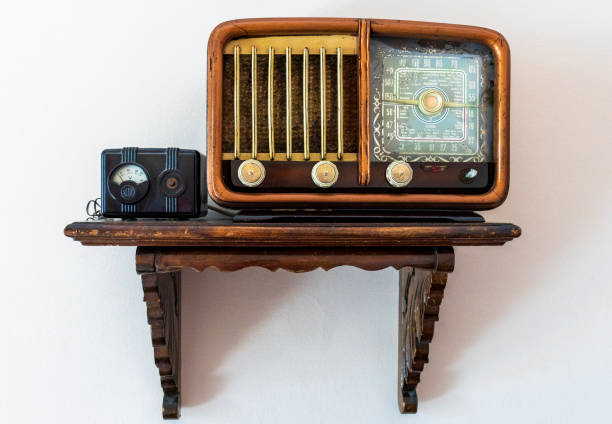
Every creative person knows the feeling of hitting a wall. The ideas dry up, the compositions feel flat, the words come out stiff. You flip through the same handful of playlists, scroll the same streaming catalogs, and wonder why nothing seems fresh. The usual advice points toward reading more books or watching foreign films, and those are solid moves. But there is a forgotten format that can shake your brain loose in ways that modern media cannot match: the old-time radio drama. Before television took over homes, families gathered around a box of glowing tubes to hear stories told entirely through voice, sound effects, and music. Orson Welles terrified the nation with a fake news report about Martians. Jack Benny made millions laugh with nothing but timing and a squeaky door. These broadcasts are freely available online today, and they offer a kind of creative workout that your visual brain desperately needs.
The reason old-time radio dramas are so effective at boosting creativity comes down to a simple fact: they force you to build the world yourself. When you watch a movie, every detail is handed to you. The costume designer chose the hat. The location scout picked the rainy street. The director framed the close-up. Your mind has to do very little heavy lifting. But when you listen to a radio play, you are the set designer, the lighting technician, and the special effects artist. The actor says, “It’s a dark, foggy night,” and your brain immediately conjures a specific darkness, a specific thickness of fog, a specific chill in the air. That act of construction is itself a creative exercise. Every few seconds, you are forced to imagine another piece of the scene. Over the course of a thirty-minute episode, your imagination gets a full workout.
This kind of listening also trains a skill that many creators undervalue: filling in gaps. In radio dramas, not everything is explained. A creaking door sound might mean someone is entering a haunted house, or it might mean the wind has blown it open. A quick musical sting might signal danger, or it might signal a joke. You have to interpret the clues and hold multiple possibilities in your head until the story confirms or subverts them. That ambiguity is a powerful engine for original thinking. When you sit down to write a scene, compose a melody, or sketch a design, you are always working with incomplete information. Your mind has to jump from what is given to what could be. Radio dramas train that jump directly.
There is also the matter of pacing. Modern media tends to be relentlessly fast. TikTok videos, YouTube cuts, even movies have gotten quicker, with scenes rarely lasting longer than a few minutes. Old-time radio dramas, by contrast, often take their time. A character may walk down a hallway for a full minute while dialogue reveals backstory. A sound effect may linger. This slower rhythm gives your brain room to wander. While you are listening, your mind can make connections that you did not intend. You hear a line of dialogue and suddenly remember a forgotten childhood experience. A specific sound effect triggers a mental image that has nothing to do with the story. That drift is where unexpected ideas come from. Creatives who always fill silence with noise deprive themselves of that drift.
The historical distance also works in your favor. These shows were made in a different era with different assumptions about storytelling. The jokes rely on different references. The plots follow different conventions. Hearing something made seventy years ago forces your brain to adjust to a foreign logic. That cognitive friction is valuable. It makes you see your own assumptions more clearly. You might realize that the way you structure a narrative or a campaign or a product pitch is not the only way. You might start borrowing structural tricks from those old scripts—like the way they introduce a character through sound before any dialogue, or the way they use musical leitmotifs to signal mood changes without saying a word.
Finally, there is the sheer variety of content. Old-time radio was not a single genre. It included supernatural thrillers like The Shadow, screwball comedies like The Abbott and Costello Show, gritty crime dramas like Dragnet, science fiction like X Minus One, and even adaptations of classic novels. You can jump from a murder mystery to a silly detective spoof to a ghost story in the same afternoon. Each one demands a different imagination style. A comedy requires you to picture the slapstick physicality. A horror show requires you to build a sense of dread from just a few ambience sounds. Switching between these modes repeatedly is like doing interval training for your creative mind. You develop flexibility.
If you want to try this out, you can find thousands of episodes on the Internet Archive or dedicated old-time radio sites. Start with something that fits your interests. If you work in visual arts, listen to a radio adaptation of a story you know well and pay attention to how your mental images differ from the original. If you are a writer, listen to a drama with the volume low and focus on how the dialogue alone conveys setting and emotion. If you are a musician, listen for the way sound effects are layered with music to create mood without lyrics. The key is to listen as a maker, not just a consumer. Let the cracks and gaps be openings for your own ideas.
The next time you feel stuck, turn off the screen. Put on headphones. Dial back to 1940. Let a voice out of the past tell you a story you have to build yourself. It might be the most creative hour you spend all week.
Articles