What If I Lose Interest After Starting a New Hobby?
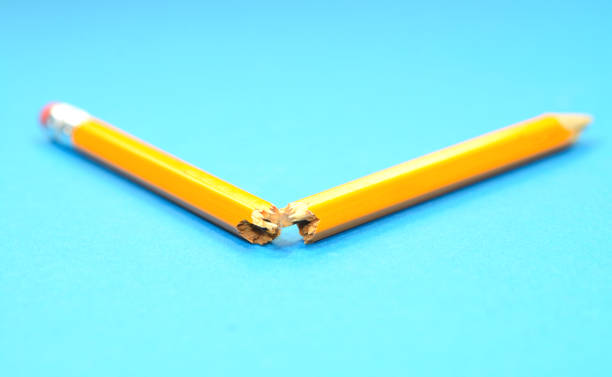
The initial spark of a new hobby is a thrilling sensation. There is the crisp smell of a new sketchbook, the satisfying click of a camera lens, or the quiet promise of yarn and knitting needles. We dive in with enthusiasm, fueled by visions of future mastery and the joy of a new creative outlet. Yet, for many, this initial flame can flicker. The paints dry out, the guitar gathers dust in the corner, and a familiar, guilty question arises: what if I lose interest after starting? Rather than a sign of failure, this waning enthusiasm can be reinterpreted as a natural part of the learning process and a valuable opportunity for self-discovery.
First, it is essential to normalize this experience. In a culture that often glorifies relentless passion and grit, losing interest can feel like a personal shortcoming. However, the initial burst of excitement that launches a hobby is neurologically linked to novelty. Our brains reward us for exploring new things. As the novelty wears off, we encounter the plateau—the phase where progress slows, and the effort required increases. This is not a failure of character; it is the universal terrain of acquiring any new skill. The hobby has simply moved from the thrilling “dabbling” phase into the more demanding “development” phase. Recognizing this shift can free us from guilt and allow for a more conscious choice: do I want to push through this plateau to reach a deeper level of engagement, or has this hobby served its purpose?
If interest fades, the most productive step is gentle introspection without judgment. Ask yourself why the spark dimmed. Was it the frustration of not progressing quickly enough? Perhaps the hobby required more solitary time than your current life allows, or maybe the financial or time investment became stressful rather than joyful. The hobby may have revealed that you prefer consuming an art form rather than creating it, or that you thrive on social collaboration rather than solo practice. This reflection is incredibly valuable data. It is not about the abandoned pottery class; it is about learning that you crave tangible, immediate results, or that you dislike getting your hands muddy. Each “failed” hobby helps refine your understanding of what truly brings you satisfaction.
Furthermore, there is immense freedom in allowing hobbies to be temporary. We are dynamic beings, and our interests can legitimately change with our life stages, responsibilities, and evolving selves. A demanding hobby learned in one’s twenties may not fit a season of life with young children, only to be joyfully revisited later. Alternatively, a hobby can serve a specific, time-limited need. The mindfulness gained from gardening during a stressful period may have been its entire, perfect purpose. Once that need is met, it is okay to let it go. Viewing hobbies as chapters rather than lifelong commitments relieves the pressure and lets us appreciate them for the joy they brought, however brief.
Ultimately, the cycle of starting, exploring, and sometimes leaving a hobby is a form of low-stakes self-experimentation. It is how we map the landscape of our own curiosity. The world is full of fascinating skills, crafts, and disciplines; we cannot commit to them all. Sampling them is a privilege. The abandoned ukulele is not a monument to flakiness but a testament to a mind willing to try new things. It makes space for the next interest, perhaps one that will ignite a lasting flame.
Therefore, if you lose interest, pause and listen to what that feeling is telling you. It may be a signal to adjust your approach, to seek a community for accountability, or to simply thank the hobby for its service and move on. The goal of a hobby is enrichment, not endurance. The true loss is not in setting something aside, but in allowing the fear of quitting to prevent you from ever starting the next wonderful, fleeting, or perhaps lifelong passion that awaits your curiosity.
Articles