The Unseen Toolkit: Learning Creativity Through a Blind Attempt at Cooking
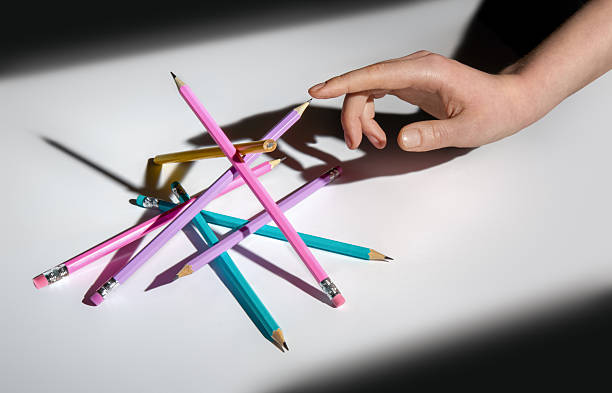
Every creative professional knows the feeling of being stuck. You stare at a blank screen, a blank page, or a blank canvas. The pressure to produce something brilliant shuts down the very mechanism that produces brilliance. The most reliable way out of this block is not to try harder, but to shift attention entirely. A tried-and-true method is to undertake a low-stakes project. You generate volume without expecting quality. You work without the fear of failure because the product does not matter. What matters is the process of engaging your hands and mind in a new problem.
Consider a specific, random low-stakes project that fits perfectly within the larger goal of exploring new experiences: learning to cook a single dish from a country you know nothing about, using only a recipe written entirely in that country’s native language. You do this without any translation app or dictionary. You cannot look up the ingredients online. You simply look at the words and the pictures, and you guess. This is an absurdly low-stakes endeavor. If the meal fails, you order pizza. But the creative benefit is surprisingly high.
The first effect of such an activity is the disruption of habit. Your brain has a deeply grooved path for preparing food. You know where the pots are. You know the order of operations. You know what a spoonful of salt looks like. A foreign recipe yanks you off that trail. You have to decipher meaning from context. Is that symbol a measurement of heat or a note about timing? Why does this strange word appear next to an image of what looks like a tuber? You are suddenly, completely, a beginner. This state of being a beginner forces a specific type of thinking called flexible cognition. Your brain must hold multiple possibilities open. It must guess, test, and adjust. There is no single correct path. This is the exact same cognitive posture needed for any creative leap.
A further creative benefit emerges in the way you handle materials. You will inevitably substitute ingredients. You do not have that particular spice. You cannot find that specific type of flour. The recipe calls for a cooking vessel you do not own. These constraints are not obstacles. They are invitations. You are forced to ask the essential creative question: What else can do the job? A heavy saucepan becomes a makeshift steamer. A specific herb is replaced with a different leaf that might taste similar. You are not following instructions. You are solving a puzzle with mismatched parts. This is the heart of improvisation. Improvisation is not making something out of nothing. It is making something out of what is at hand.
Perhaps the most powerful benefit of a blind cooking project is the relationship it builds with failure. The meal will almost certainly be strange. It might be inedible. It might be delicious in an accidental way. You learn that failure in a low-stakes environment is not a final report on your abilities. It is data. The lumpy texture tells you something about moisture content. The bland taste tells you you missed a crucial ingredient. You learn to observe the result without attaching your ego to it. This is a critical skill for any writer, designer, or artist. The fear of a bad draft paralyzes the writer. The fear of a bad composition stops a musician. Doing something where the failure is cheap and contained, like a bad dinner, trains you to tolerate the messiness of the creative process.
Finally, this activity reshapes your attention. When you are working from a language you cannot read, you become aware of every detail. You look very closely at the photograph of the finished dish. You notice the gloss on the sauce. You feel the dough with your fingertips to guess if it is too dry. You smell the oil before you add it to the pan. Creative people often talk about a state of deep focus. This project forces that state. You cannot multitask. If you get distracted, you lose the thread entirely. You are present in the room with the ingredients. You are listening to the sizzle for cues. This kind of intense, engaged observation is the same attention required to see the new angle in a tired problem.
The outcome of this project is not a perfect meal. The outcome is a warmer tolerance for uncertainty, a stronger instinct for improvisation, and a fresh confidence that you can fumble your way through a new challenge. You might never make that dish again. But you will have built a small, private muscle of resourcefulness. The next time the blank page feels scary, you will remember the time you figured out how to make brown glutinous balls in a pan that was clearly too small. You will remember that you made do. And you will write the first sentence.
Articles