Discovering Your Next Favorite Read: A Guide to Trusted Book Recommendations and Genre Exploration
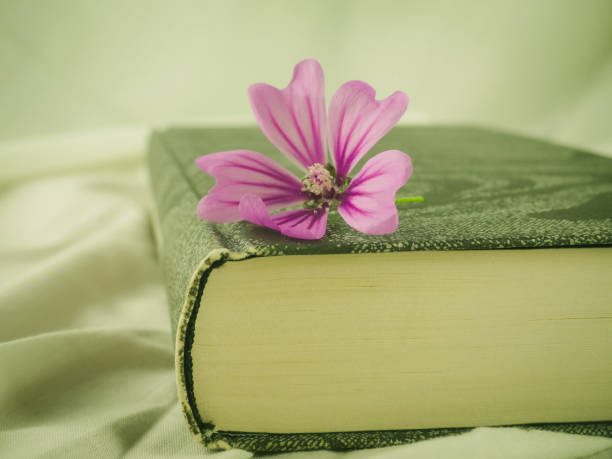
The quest for a new book can be both thrilling and overwhelming. With millions of titles published each year, the simple question of what to read next becomes a complex search through a literary labyrinth. Fortunately, the digital age has provided readers with an abundance of resources to find reliable recommendations and insightful genre guides, transforming the solitary act of choosing a book into a connected, community-driven experience. The most trustworthy paths to discovery lie in a combination of curated expertise, community wisdom, and intelligent technology.
For readers seeking a foundation of critical authority, literary publications and established review outlets remain indispensable. Newspapers like The New York Times and magazines such as The New Yorker or The Atlantic maintain rigorous book review sections where seasoned critics evaluate new releases and enduring classics. Their recommendations are grounded in deep literary knowledge and editorial standards, offering readers a reliable gauge of a book’s merit and its place within a genre. Similarly, dedicated literary journals and websites like Literary Hub or The Paris Review provide not only reviews but also essays and interviews that contextualize works within broader literary movements. These sources are particularly valuable for understanding the nuances of genres, from the evolution of hardboiled detective fiction to the subgenres of contemporary speculative fantasy. They act as a compass, pointing toward quality and offering the critical language to articulate why a certain book resonates.
Beyond the realm of professional critics, the collective voice of fellow readers has become one of the most powerful tools for discovery. Social reading platforms, most notably Goodreads, have created vast, interconnected communities where millions of users log their reading, write reviews, and create lists. The true strength of such platforms lies in the ability to find “bookish people like you.“ By following users whose reviews you consistently appreciate, you cultivate a personalized feed of recommendations that often feel more authentic and relatable than any algorithmic suggestion. Furthermore, the community-driven listopia feature—where users compile lists on every imaginable theme, from “books with plot twists you never saw coming” to “cozy fantasy for a rainy day”—serves as an endless source of genre exploration. BookTube and BookTok, the vibrant literary corners of YouTube and TikTok, have further democratized recommendations, with passionate creators offering enthusiastic, niche guides that can introduce you to entire new subgenres you never knew existed.
Technology, too, has refined the art of the book recommendation. Public library digital apps, such as Libby, often feature “read-alike” suggestions for popular titles and staff-curated collections based on themes, genres, or moods. These tools leverage professional librarians’ expertise, a profoundly reliable resource often underutilized. Meanwhile, the algorithms of major booksellers like Amazon and Barnes & Noble analyze your purchase history to suggest titles, a system that can be hit-or-miss but occasionally surfaces a surprising gem based on broad patterns. For a more sophisticated approach, websites like Whichbook or literature-map allow for discovery based on nuanced, sliding scales of mood, character, and plot, moving beyond simple genre labels to match books to your specific reading desires in that moment.
Ultimately, the most reliable strategy is a hybrid one. Start with the curated lists from a trusted source like Publisher’s Weekly or a favorite author’s blog to understand the landscape of a genre. Then, dive into the communal pools of Goodreads or a dedicated genre forum to see what real readers are saying, paying special attention to the longer, thoughtful reviews that discuss a book’s mechanics and emotional impact. Do not overlook the human element of your local bookstore or library; a brief conversation with a knowledgeable bookseller or librarian can yield a perfectly tailored suggestion that no algorithm could ever replicate. In this convergence of expert critique, community passion, and smart technology, the modern reader has an unprecedented map to navigate the boundless world of books, ensuring that the next great read is never more than a few clicks or a friendly conversation away.
Articles