The Unfinished Novel: Mining Your Past Drafts for New Fiction
Every writer has a graveyard of abandoned projects. A novel that stalled in chapter three. A short story that fizzled into a dead end. A character sketch that never found its plot. These half-formed works usually sit in a drawer or a forgotten folder on your desktop, gathering digital dust. But what if those fragments are not failures? What if they are the richest soil for your next creative leap? Revisiting old projects with fresh eyes is not about picking up where you left off. It is about treating your past work as raw material for something you could never have imagined the first time around.
The mistake most people make when they look back at an old manuscript is that they try to fix it. They read the first chapter and think, I could smooth out that sentence, or that dialogue is clumsy. That approach only leads to more frustration because you are trying to solve the wrong problem. The original project stalled for a reason—usually because the idea was not quite right, or you lacked the skills or perspective to execute it. Trying to patch it up is like repainting a house with a cracked foundation. Instead, you need to ask a different question: What is the core seed in this work that still intrigues me?
That seed might be a single line of dialogue that still makes you laugh. It could be a setting you described in a paragraph and then abandoned. It could be the relationship between two characters who never met on the page but whose dynamic still feels electric. Your job is to extract that seed and plant it in a new context. For example, I once found a fragment of a story about a woman who runs a laundromat in a small town. The original plot was a mystery about missing socks. It went nowhere. But the character of the laundromat owner—her dry humor, her quiet loneliness—stuck with me. Years later, I wrote a completely different novel about a woman who solves cold cases through old laundry receipts. The laundromat owner became the protagonist. The missing socks were irrelevant. The seed was the character.
Another technique is to take the emotional core of an old project and transplant it into a different genre or form. Maybe you wrote a grim literary story about a family reunion that felt too heavy. Strip away the family drama and ask what emotion was driving it. If it was shame, write a science fiction story about a society where shame is a physical disease. If it was longing, write a comedy about a man who tries to order his way into love through a dating app algorithm. The feelings are real. The containers are disposable.
You can also use old drafts as a kind of collage. Take your ten worst abandoned openings and splice them together. Combine the first paragraph of one with the middle scene of another. Pull a character from draft three and drop them into the world of draft seven. The goal is not coherence. The goal is surprise. When you force mismatched pieces to coexist, your brain has to invent new connections to make sense of them. That invention is the creative spark you are after.
Do not overlook the power of distance. A project you set aside five years ago may now feel like it was written by a stranger. That is an advantage. You can read it as a reader, not as its anxious author. Mark the passages that feel alive and the ones that feel dead. Then throw away the dead parts. The living parts are your starting point. You do not owe the old project any loyalty. It owes you.
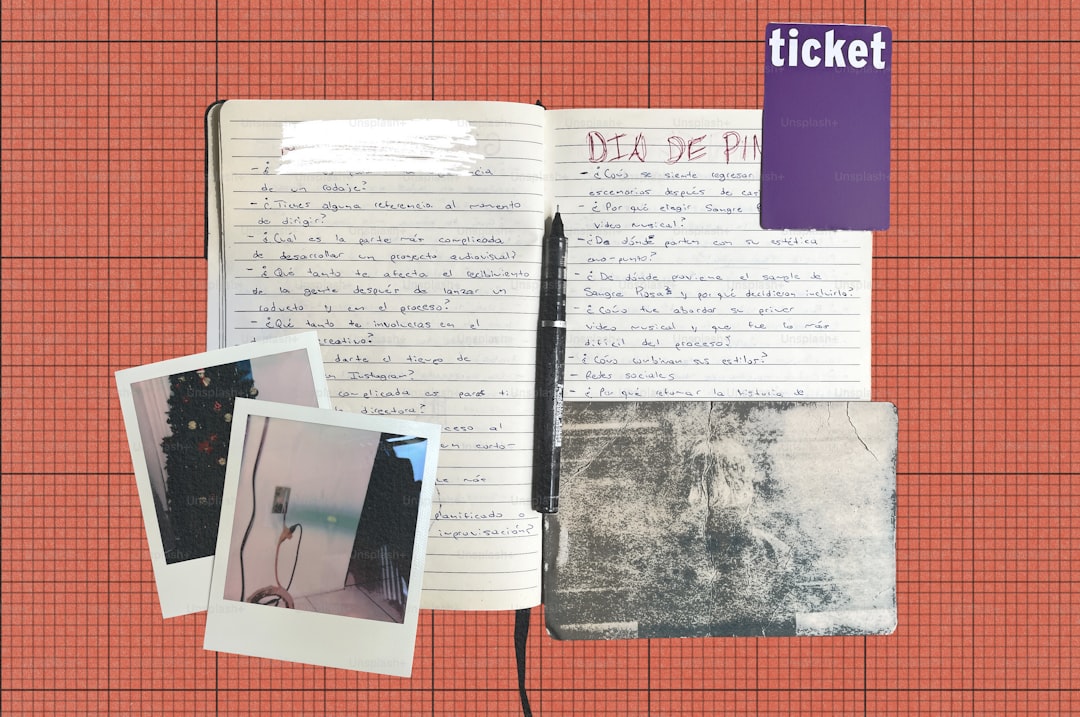
Finally, keep your process physical. Print out the old draft. Cut it up with scissors. Tape fragments to a wall. Rearrange them. Write new lines on sticky notes and insert them between the taped pieces. This manual, messy method forces you to see the material as a thing you can shape rather than a sacred text to preserve. The act of cutting and taping is itself a creative gesture. It says, I am in control. I can destroy and rebuild.
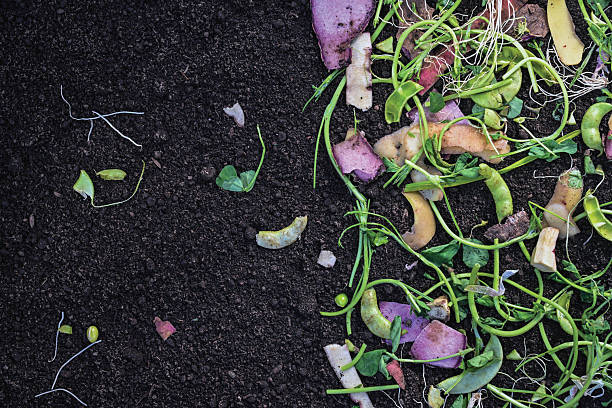
The term “writer’s block” usually implies a blank page. But the real block often comes from the weight of unfinished business. By returning to old projects not as a failure to be fixed but as a quarry to be mined, you free yourself from that weight. You become an archaeologist of your own imagination, brushing away the dust to find the fossil that will become a new life. The old work is not a tomb. It is a compost pile. And from compost, the strongest flowers grow.
Articles