
The Science Behind Arid Deserts: What Makes These Climates So Dry?
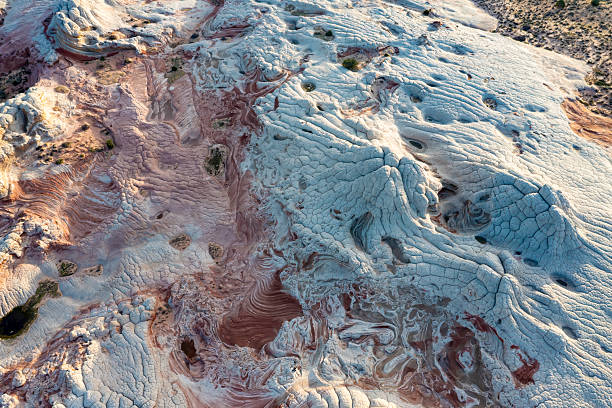
Desert climates, characterized by their profound dryness and sparse life, cover approximately one-third of the Earth’s land surface. Their aridity is not a random occurrence but the result of a precise and often interconnected set of geographical and atmospheric conditions. The primary driver behind desert dryness is a simple yet powerful principle: these regions experience a chronic and severe imbalance where water loss through evaporation drastically exceeds water gain from precipitation. This imbalance is orchestrated by several key factors, most notably atmospheric circulation patterns, rain shadows, and continental interiors, all working to starve these landscapes of life-giving moisture.
The most widespread cause of desert formation is the global atmospheric circulation system. Near the equator, intense solar heating causes air to rise, cool, and release its moisture as abundant rainfall in tropical rainforests. This now-dry air is then pushed poleward, eventually sinking back towards the Earth’s surface at around 20 to 30 degrees north and south latitudes. As this air descends, it compresses and warms, which increases its capacity to hold moisture and makes cloud formation nearly impossible. This zone of persistent high pressure creates the world’s major subtropical deserts, such as the Sahara in Africa, the Arabian Desert, and the Great Australian Desert. The sinking air acts as a literal atmospheric lid, suppressing the uplift needed for rain clouds to develop.
Another potent desert-forming mechanism is the rain shadow effect, created by major mountain ranges. When moisture-laden winds from an ocean encounter a mountain barrier, they are forced to rise. As the air ascends the windward side, it cools, condenses, and precipitates, leaving the slopes lush and green. By the time the air mass crests the mountain peak and begins to descend down the leeward side, it has been stripped of most of its moisture. This descending air, like in the subtropical high-pressure zones, warms and dries further, creating an arid region in the mountain’s “shadow.“ Iconic examples include the Mojave Desert in the southwestern United States, lying in the rain shadow of the Sierra Nevada, and the Patagonian Desert east of the Andes in South America.
Furthermore, many deserts owe their existence to their continental interiors. Places like the Gobi Desert in Asia are situated far from the coast, the primary source of atmospheric moisture. By the time oceanic air masses travel thousands of kilometers inland, they have already lost much of their water content through precipitation along the way. Any remaining moisture is often blocked by intervening mountain ranges, compounding the dryness. These remote interiors experience extreme temperature swings from day to night and season to season, but they remain consistently parched due to their sheer distance from replenishing oceans.
Finally, the presence of cold ocean currents along western coasts of continents can enhance aridity. Currents such as the Humboldt off South America and the Benguela off southwestern Africa chill the overlying air. Cool air has a lower capacity for holding water vapor, leading to frequent fog but very little actual rain. When this cool, stable marine air moves over the warmer land, it heats up, which lowers its relative humidity and further inhibits rainfall. This phenomenon creates coastal deserts like the Atacama in Chile, the driest non-polar place on Earth, and the Namib in Africa.
In essence, the extreme dryness of desert climates is a testament to the planet’s intricate climatic systems. Whether through the global conveyor belt of sinking dry air, the blocking presence of mountain ranges, the sheer remoteness from oceans, or the chilling influence of cold currents, these regions are systematically deprived of moisture. Understanding these mechanisms reveals that deserts are not barren accidents but logical, dynamic outcomes of Earth’s relentless effort to balance heat and water across its surface.
Articles