Show Your Unfinished Work: The Creative Spark You’re Missing
Most people treat their creative projects like secret deliveries. They lock themselves away, polish every edge, and only reveal the final product when it’s flawless. This instinct to hide the messy middle is natural, but it’s also one of the quickest ways to kill your own creative momentum. Displaying your work before it’s finished—showing sketches, rough drafts, half-baked ideas—can supercharge your ability to generate new ones. It turns a solitary grind into a live conversation with the world, and that conversation is where original thinking thrives.
The first benefit of showing unfinished work is the forced clarity it demands. When you know someone else will see a piece of your process, you naturally tighten your thinking. You decide what the core idea is, why it matters, and what you’re trying to achieve. This act of preparing to share—even if only with one trusted friend—forces you to articulate the puzzle you’re solving. That articulation alone often reveals gaps or contradictions you hadn’t noticed. Many times I have pinned a rough sketch to my wall and immediately saw a design flaw that had been hiding in plain sight for weeks. The act of making it visible to others made it visible to myself.
Second, outside eyes see what yours cannot. Creators develop blind spots. You live inside your project for so long that you stop noticing the odd angles, the confusing phrases, the missed opportunities. A fresh viewer brings no baggage. They might point out a connection between two elements you never considered. They might ask a naive question that cracks a problem wide open. The most creative breakthroughs often come from someone saying, “What if you did the opposite?” or “I don’t understand why this part is here.” Without displaying your work, those sparks never fly. You remain stuck in your own echo chamber.
Third, showing imperfect work destroys the monster of perfectionism. The fear of finishing something “bad” paralyzes countless artists, writers, designers, and musicians. When you deliberately put out drafts, you train yourself to tolerate flaws. You learn that the world doesn’t end when someone sees a rough cut. This lowers the bar for starting something new. You stop waiting for the perfect moment or the perfect idea. You just make something, show it, learn, and iterate. The cycle becomes a habit. And habits are far more reliable than bursts of inspiration.
There is also a practical side to display. Seeing your work in a different context—pinned on a wall, projected on a screen, posted in a small online group—lets you perceive it as an object rather than a thought. Physical distance gives you critical distance. A sketch that felt brilliant in your notebook can look clumsy when hung next to another piece. A paragraph that sounded elegant in your head reads flat on a screen. That distance is invaluable. It tells you what needs more work and what is already working.
Of course, not every audience is helpful. The key is to choose your viewers wisely. A harsh critic who only points out flaws can crush your motivation before the work has a chance to breathe. A fan who praises everything gives you no guidance. The best audiences are peers who understand the craft and who care about the idea, not just the polish. They will ask constructive questions and offer specific observations. You can also control how you present the work. Frame it as a request: “I’m exploring this concept. What stands out to you? Where does it feel confusing?” This invites collaboration rather than judgment.
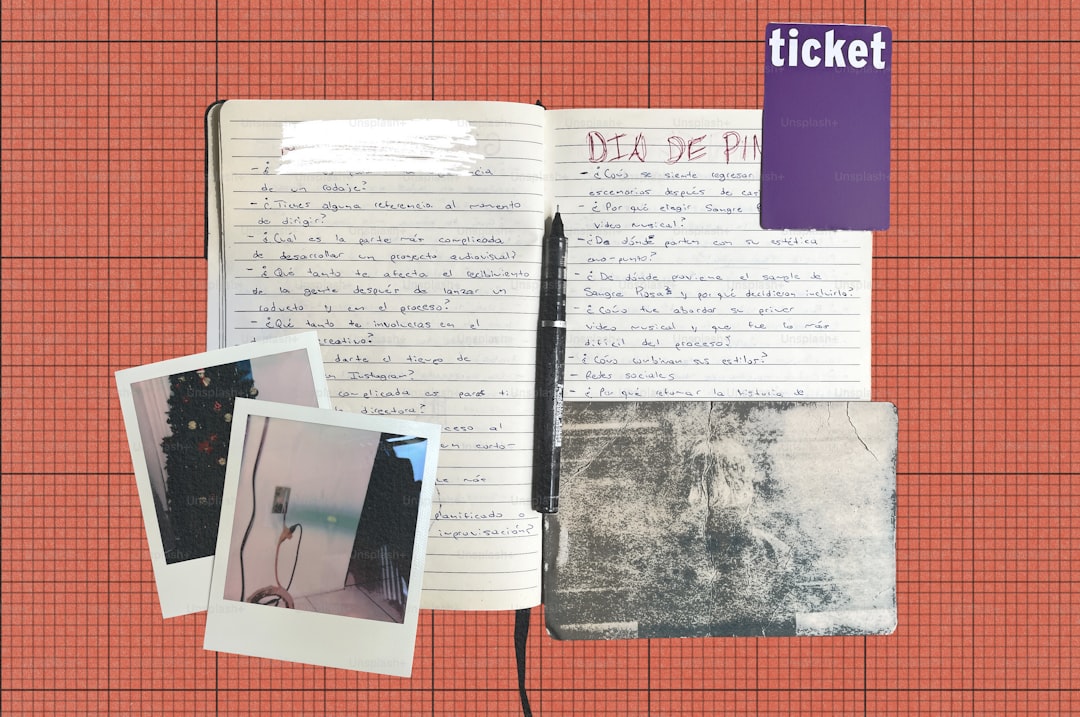
An easy way to start is to physically pin drafts on a wall in your workspace. Write questions next to them on sticky notes. Take a photo and send it to a friend with a simple note: “I’m stuck here. Any thoughts?” The act of sending is as important as the reply. It commits you to the process. Over time, you develop a habit of externalizing your thinking. Your creative work becomes less precious and more alive. You stop treating each project as a final exam and start treating it as a sketch that can evolve.
The most surprising result of displaying unfinished work is that it feeds new ideas. When you put something out, you often get back unexpected responses that spark tangents you would never have found alone. Someone’s offhand comment might lead to an entirely new project. A small suggestion might open a door into a different medium. The conversation becomes a source of raw material. Your creativity no longer depends on your own isolated brain. It draws on the collective energy of everyone who sees your work and engages with it.
So hang your half‑finished painting. Read your rough dialogue to a friend. Post a blurry photo of a prototype. The world does not need your masterpiece today. It needs your willingness to show the mess. That mess is where all good things start, and showing it is the fastest way to make them better.
Articles