Shift Your Working Posture Regularly to Keep Creative Ideas Moving

Most creative work happens while the body is still. You sit, stare, type, draw, edit, and think. The stillness feels productive, but after a while it turns into a trap. Your shoulders round. Your hips lock. Your neck juts forward. Your breath gets shallow. A body stuck in one position starts to produce a mind stuck in one track. Shifting your working posture regularly is one of the simplest ways to interrupt that track and give new ideas room to appear.
When you stay in one posture for a long time, your body adapts. Muscles shorten. Joints compress. Blood moves more slowly. Breathing becomes smaller because your ribs and belly have less room. None of this helps creative thinking. Your brain needs oxygen, movement, and changing signals from your senses. If you sit like a folded paper clip for two hours, you may feel heavy, foggy, and impatient. You may grab the first acceptable idea just to escape the discomfort. A small posture change can lift that fog without a long break.
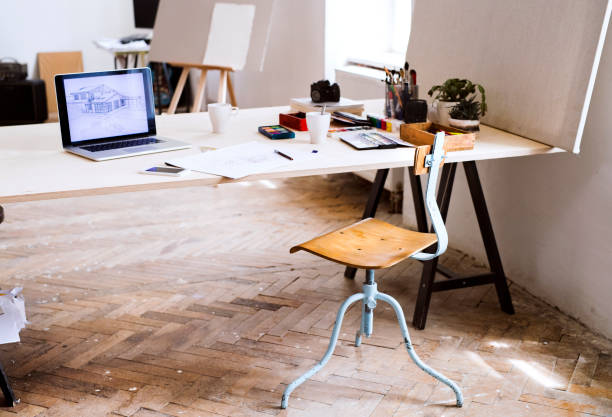
The key is not finding the perfect posture. There is no perfect posture that stays perfect all day. The goal is variety. Every twenty to forty minutes, change something about how you hold your body. Sit on the front edge of your chair, then sit back. Raise your chair. Lower it. Put one foot on a low box, then the other. Cross your legs, then uncross them. Stand up and put your laptop on a counter or a stack of books. Lean against a wall while you read. Sit on the floor with a cushion. These are not exercises. They are small position changes that keep your body from freezing into one shape.
Each new posture changes your view of the work. When you stand, you look down at the page or screen. That angle can make you feel more active and more willing to make bold choices. When you lean back, you see the whole document or canvas from farther away. That distance helps you notice structure, balance, and weak spots. When you lean in close, you can focus on details. When you turn your body slightly, your peripheral vision changes. A window, a plant, or a blank wall enters your sight. New visual input can trigger new connections. The idea you needed may be sitting just outside your old line of sight.
Different postures also support different stages of creative work. Standing may help you brainstorm, sketch, or talk through a problem out loud. Sitting upright may help you organize and decide. Leaning back may help you edit with a cooler eye. Perching on a stool may help you move quickly between thinking and doing. You can use posture as a signal to yourself. If you are stuck in critic mode, stand up and pace. If you are lost in big ideas, sit down and write one clear sentence. If you are rushing, lean back and read the whole thing again. These shifts are not magic. They are physical cues that change your breathing, your balance, and your attention.
You do not need expensive furniture or a gym. You need awareness and a few triggers. Change posture when you finish a paragraph, send an email, hang up a call, or notice that you have read the same line three times. Stand during phone calls. Walk to fill your water bottle. Put your laptop on a higher surface for one task, then lower it for the next. If you use a timer, let it remind you to shift, not to panic. The point is small, frequent adjustments, not a rigid routine. If you feel pain, see a professional. Otherwise, treat posture as a dial you can turn.
For anyone who makes things, posture is a tool. It is not about sitting up straight forever. It is about refusing to stay still until your thinking goes stale. Shift. Then shift again. Each shift moves blood, breath, and attention. Each shift gives your brain a new angle on the problem. Creative ideas often arrive not when you force them, but when you change the body that is waiting for them. Keep your work moving by moving your body in small ways all day.
Articles