Dance Like No One’s Watching: The Creative Catalyst in Unstructured Movement
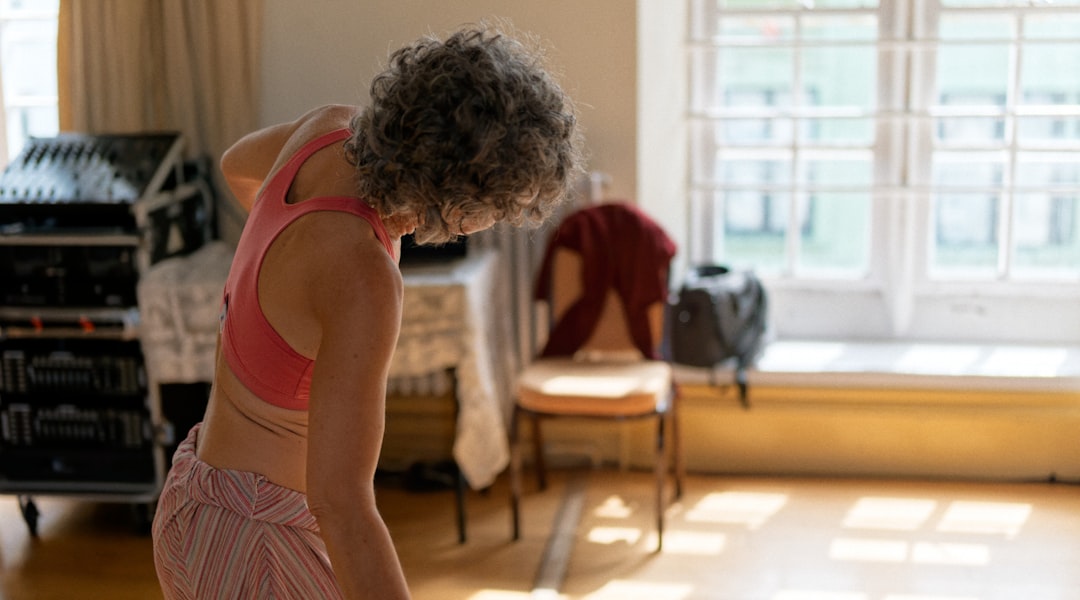
Most of us were taught to dance in a specific way. Follow the beat, learn the steps, don’t bump into anyone. But when it comes to boosting creativity, the most powerful form of dancing is the kind you do when no one is grading your moves. Unstructured, freeform movement, done purely for the sake of moving to music, has a direct line to the parts of your brain that generate novel ideas. It doesn’t require skill, rhythm, or even a good song. It only requires that you let go of trying to look good.
Think about the last time you were stuck on a problem. You stared at the blank page or the half-finished design. Your brain feels like wet concrete. Then you stood up, maybe stretched, and something shifted. Now imagine adding music and letting your body respond without planning. You aren’t dancing to perform. You are dancing to interrupt the mental loop that has been running since you sat down.
The reason this works is tied to how your brain handles boredom and rigidity. When you work on a creative task for too long, your neural pathways become well-worn grooves. You keep circling the same ideas. Physical movement, especially movement that isn’t goal-oriented, forces your brain to rewire its connections. It’s not magic. It’s practical physics of the mind. Your body sends signals to your brain that it is in a different state, a state of play rather than work. And play is where most original thinking happens.
Dancing freely to music does something that walking or running cannot do. It introduces randomness. When you walk, your movements are repetitive. Your arms swing in a predictable arc. Your feet land in a steady rhythm. That repetition, while healthy, doesn’t force your brain to create new patterns. But when you dance without a choreographed plan, your body makes small, unpredictable choices. You twist your torso a little more than usual. You shake your hands out. You move your hips in a way you never would during a morning jog. Each of these spontaneous movements sends a fresh burst of sensory information to your brain. Your cerebellum, which coordinates movement, starts communicating with your prefrontal cortex, which handles problem-solving and planning. They start swapping notes in a way they rarely do when you are sitting still.
There is also the simple fact that music activates emotional centers in your brain. When you pair emotion with movement, you create a bridge between how you feel and how you think. That bridge is fertile ground for metaphor, which is the bedrock of creativity. You might find yourself moving in a way that feels like a particular shape or color. That feeling can translate directly into a new design direction, a new sentence, or a new chord progression. You are not thinking about it. You are feeling it physically. And then your creative mind picks up the signal and runs with it.
Many accomplished creators have used this tactic without calling it a technique. Playwrights have talked about dancing in their studios between acts. Visual artists put on headphones and move around the canvas before they paint a single stroke. Software developers stand up and dance during debugging sessions. They aren’t trying to be professional dancers. They are trying to break the trance of solving problems with the same old logic. Movement resets the context. It lets you see the problem from a new angle because your body is literally in a new angle.
To try it yourself, you do not need a dance floor or a mirror. You need a song that has a beat you can feel, whether it is upbeat or slow. Put on headphones or play it through speakers. Then close your eyes. Do not decide how to move. Just let the music guide your limbs. Wiggle your fingers. Rock your shoulders. Stomp your feet. Let your head roll around. The goal is not to look like a dancer. The goal is to be a moving, breathing animal that is responding to sound. Let yourself be awkward. The more awkward you feel, the more your inner critic is being silenced. That critic is the enemy of creativity. When you dance without judgment, you starve that critic of power.
You might only need two minutes. You might need ten. But after you stop, sit down immediately and write or sketch or record whatever comes to mind. Do not filter it. Do not judge it. The movement has primed your brain for new connections. Now you must capture them before they vanish. The ideas that surface after such a session often feel unrelated to what you were working on. That’s fine. They are fresh ingredients. You can combine them with your existing work later.
This is not about exercise or burning calories. It is about resetting the neural environment. The next time you hit a creative wall, do not stare at the wall longer. Stand up, pick a song you love, and dance like you are the only person in the universe. Your next great idea might just be waiting in the space between your head and your toes.