Why a New Workspace Makes Old Ideas Feel New

A new workspace is not just a different address. It changes what you see before you start. At your usual desk, everything has a place. That order tells you what kind of work you are supposed to do. When you move to a different room, a café, a library, a rented desk, or a friend’s kitchen table, those signals disappear. You have to make small decisions again. Where do I sit? Where do I put my coffee? What is that noise? Those decisions feel like interruptions, but they are openings. They pull you out of the groove you have worn into your usual space.
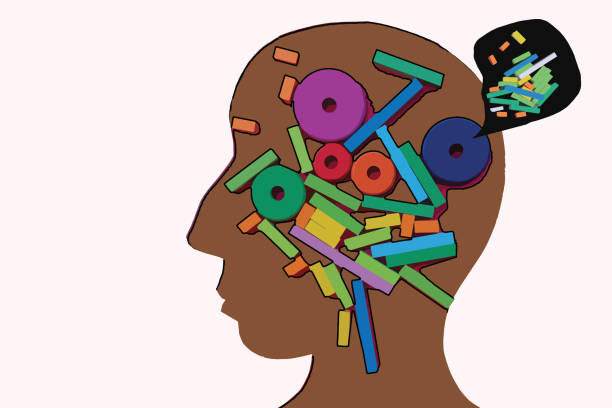
Creativity often gets stuck because the same room invites the same thoughts. If you always brainstorm at the same table, your ideas follow the same path. A new space does not magically give you better ideas. It interrupts the path. The window shows a different street. The chairs are a different height. The light falls on your paper from another direction. Your senses pick up new details. A florist arranging tulips, a mechanic rolling a tire, a line of people waiting for buses—these small scenes become raw material. You may not use them directly, but they loosen the grip of the usual subjects.
The best new spaces are not always beautiful or quiet. A busy laundromat can work better than a silent private office if it gives you something to watch between sentences. A train station can work better than a hotel lobby if its motion keeps you alert. The point is not comfort. The point is difference. When you work in a brand new space, you notice more because you are not on autopilot. You read signs, wonder about strangers, and hear fragments of conversations. That alertness keeps your mind from settling too quickly. Ideas need a little friction.
There is a practical way to use this. Pick a space that is new to you, not just a different corner of the same building. Give yourself a simple task before you arrive: one page, one sketch, one outline, one problem to solve. Do not bring your entire to-do list. The new space will already ask for some of your attention. If you also bring a mountain of chores, you will spend the time managing the pile instead of making something. Choose one thing that has been stuck. Then let the room do its quiet work. You may find the first ten minutes feel awkward. You are not lost. You are just not home.
It also helps to change the time you go. A café at 7 a.m. is a different place from the same café at 3 p.m. A library on a Tuesday morning is different from a library on a Saturday afternoon. The people change, the noise changes, the light changes. You can get several brand new spaces out of one address by visiting at different hours. This matters because creativity is not only about the room. A new time can be as useful as a new location.
Some people worry that they will lose their routine if they move around too much. The opposite is often true. A routine is a tool, not a cage. You can keep your morning coffee, your notebook, and your pen. You can keep your habit of starting before checking messages. The familiar objects anchor you. The unfamiliar space pushes you. Together, they make it easier to begin. The blank page feels less heavy when the world around it is not exactly the same as yesterday.
The real benefit of working in a brand new space is not that the space is better. It is that you are more awake in it. You cannot rely on memory to guide every step. You have to look, listen, and adjust. That small wakefulness is where new connections start. A phrase overheard, a pattern on a floor, a stranger’s bright coat—none of these are ideas by themselves. But they can knock an old idea loose. When you return to your usual desk, you may bring back a sentence, a shape, or a question that was not there before.
Articles