Watching Your Thoughts Without Judging Them: A Creative’s Guide
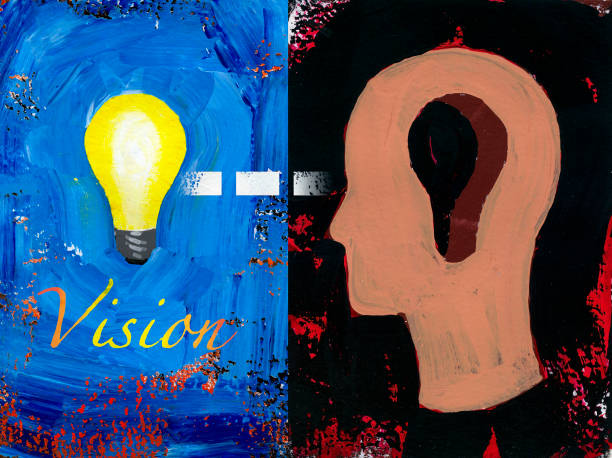
Every artist, writer, or musician knows the feeling of a blank page staring back. The mind races with possibilities, but then comes the inner voice: “That’s not good enough.“ “Someone else already did that.“ “You’re wasting your time.“ This voice isn’t your enemy. It’s just a thought. The problem isn’t the thought itself, but how you react to it. When you treat every mental whisper as a command or a truth, you freeze. You stop making. You start second-guessing.
Here’s a different approach: simply watch your thoughts as if they were passing cars on a street. You don’t have to jump into every vehicle. You don’t have to wave it down or try to stop it. You just stand on the curb and notice. That’s it. This practice, often called observation without judgment, is a powerful tool for anyone who creates for a living or for pleasure. It allows you to separate yourself from the noise in your head, which means you can get back to the work you actually care about.
Think about how you typically respond to an idea. An idea pops up, maybe a weird one, like a story about a talking fish who opens a detective agency. Immediately, your brain starts evaluating. That’s silly. Nobody will read that. But wait, could it be a metaphor? No, it’s too childish. The evaluation happens in milliseconds, and before you know it, the idea is gone, buried under a pile of judgments. The creative process dies right there. What if, instead, you just let the idea sit? You watch it without labeling it as good or bad, silly or serious. You let it exist for a moment. Maybe it leads to another idea. Maybe it leads to a scene you never imagined. By not judging, you give the idea room to breathe.
The same goes for your inner critic. That voice that tells you your draft is terrible, your painting is off, your lyrics are clichéd. It’s not going away, and you don’t need to silence it. Trying to silence a thought is like trying to push a beach ball underwater. It always pops back up, harder. Instead, you can observe it. Say to yourself, “Ah, there’s that criticism again.“ Then let it pass. You don’t have to argue with it. You don’t have to agree with it. You just notice that it’s there, and then you return to your work. This is the essence of the practice. It’s not about having fewer thoughts. It’s about changing your relationship to them.
For a creative person, this is liberating. So much of creative block comes from the fear of being judged by others. But that fear is just a thought. You can watch that thought too. “There’s the fear of rejection.“ Oddly enough, when you label it as just a thought, it loses its grip. You realize that you are not your thoughts. You are the one observing them. And that observer has a quiet, steady presence. That’s where your true creative voice lives. Not in the shouting, critical chatter, but in the calm space behind it.
Try this next time you sit down to write, sketch, or compose. Set a timer for ten minutes. Let yourself work on your project. When a judgmental thought arises, don’t push it away. Just notice it. Mentally say, “Noticing: this thought says my work is bad.“ Then go back to your task. This isn’t ignoring the thought. It’s acknowledging it without letting it take the wheel. You’ll find that the thoughts become less sticky. They float by like leaves on a stream. Some are interesting, some are boring, but none of them stop the flow.
Another helpful trick is to imagine your thoughts as a radio playing in the background. You can hear the music, but you don’t have to dance to it. Or you can picture them as weather. A storm of anxiety rolls through. You watch it from your window. You don’t go outside and get soaked. You wait for it to pass. And it always does. No thought lasts forever. The more you practice this, the more you realize how much mental energy you were wasting by wrestling with each thought. That energy can now go into your actual creative output.
There’s also the matter of pleasant thoughts. You might get a great idea, and then you cling to it. You think, “This is the one. This will make my career.“ That’s also a judgment. You’re putting pressure on the thought. You’re making it heavier than it needs to be. Observe that excitement too. “There’s excitement about this idea.“ Then get back to work. The idea may be good or not, but the judgment doesn’t help you make it better. The work itself does.
In the end, this practice isn’t about emptying your mind. It’s about making space. When you stop judging your thoughts, you stop blocking them. Raw, unfiltered, sometimes messy thoughts begin to appear. And those are the seeds of creativity. So don’t be afraid of your mind. Just watch it, like a curious spectator at a circus. You’ll see all sorts of acts, some thrilling, some boring, some outright strange. But you don’t have to join the show. You just have to let it play out, and keep your hands on the work.
Articles