Use a Full Body Scan to Clear Creative Blocks
A full body scan is a simple way to reset your attention before, during, or after creative work. You sit or lie down, then move your focus slowly through your body. You notice what is there—warmth, coolness, pressure, tingling, tightness, ease, or nothing much at all. You do not need to change anything. You are not chasing a special state. You are just checking in, part by part, from feet to head or head to feet. That simple act can make a surprising difference when you need to write, design, compose, paint, code, or solve a stubborn problem.
Creative work depends on attention. Not just focus, but the ability to return to focus after you drift. A full body scan builds that return. Your mind will wander. You will start thinking about a deadline, a message, a conversation, a snack. That is normal. The practice is to notice the wandering and come back to the next part of the body. Each return is like a repetition. You are training the same muscle you use when you bring your eyes back to the canvas or your hands back to the keyboard.
The scan also reveals tension you may not know you are carrying. Many people work with raised shoulders, a tight jaw, clenched hands, or shallow breath. These small physical signals often go with mental clutter. You may be reacting to a vague worry without realizing it. When you scan, you find the tightness. You do not have to fix it. Simply noticing can let it soften. You can drop your shoulders, unclench your jaw, take a slower breath, or shift your sitting position. These are small changes, but they change your view. A writer who notices a clenched jaw may realize they are forcing a scene. A designer who notices shallow breath may step back and see the layout differently. The body is not the enemy of creativity. It is part of the instrument.
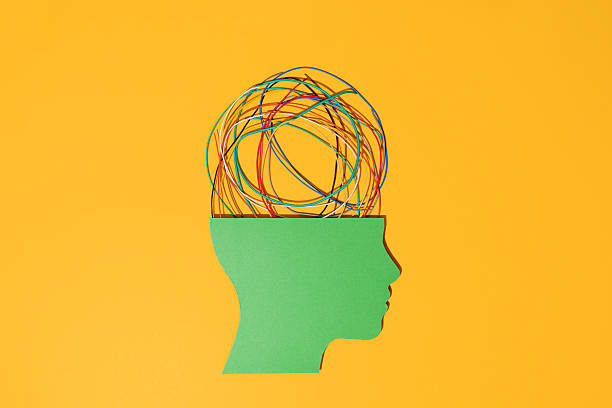
A full body scan is also useful because it gives your problem-solving mind a rest without asking it to stop. If you try to force an idea, you often get the same tired angles. A body scan is different. It occupies your attention with something simple and neutral. While you move through your feet, legs, hips, belly, chest, hands, arms, shoulders, neck, face, and head, the part of you that has been wrestling with the project gets a break. Ideas often arrive in that gap. But the gap makes room for them. You may finish the scan and see a new opening. Either way, you are less tangled than when you started.
You can do a full body scan in five minutes. Sit in a chair with your feet on the floor. Let your hands rest. Close your eyes or look softly at one spot. Start at your feet. Notice whatever is there. Then move to your ankles, calves, knees, thighs, hips. Go slowly enough to feel each area, but not so slowly that you get sleepy. If you feel nothing, notice nothing. That counts. Move up through your belly, chest, back, shoulders, arms, hands, neck, face, and head. When you reach the top, take one full breath and open your eyes. If you are lying down, sit up slowly. You can do it before a brainstorming session, between meetings, or when you are stuck on a sentence.
The common objections are easy to answer. You may think you do not have time. But five minutes of scanning can save thirty minutes of staring at a blank screen. The point is not to perform the perfect scan. The point is to show up and pay attention.
Creativity is not only about generating ideas. It is also about clearing space so ideas can land. Craft matters. Practice matters. Deadlines matter. But so does the ability to pause, notice, and begin again. A full body scan is a reliable way to do that. It asks for almost nothing. It gives back a quieter mind, a looser body, and a better chance of seeing what is actually in front of you. Try it before your next creative session. Start at your feet. End at your head. Then get to work.
Articles