The Unexpected Muse of Empty Space
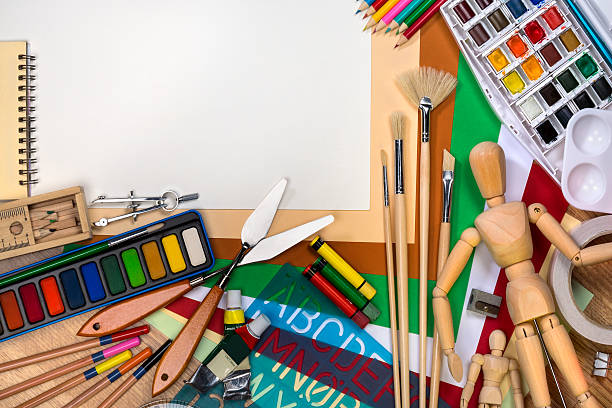
The most creative people I know swear by a strange ritual. They clear their desks. Not just a quick sweep of the papers into a drawer, but a full-on purge. All the notebooks, the coffee cups, the sticky notes with half-baked ideas, the pens that don’t work, the little souvenirs, the charging cables. Off the surface. Into a drawer, a box, or the trash. They leave the desk completely bare, like a freshly painted wall waiting for the first brushstroke. This empty space, they claim, is where their best ideas come from. And they are not being dramatic.
Physical clutter works against creativity in a way that is easy to miss. It is not that a messy desk makes you disorganized. It is that every object on your desk—every stray paper, every figurine, every phone charger—is a small request for your attention. Your brain, whether you realize it or not, registers each one. It has to decide, on some unconscious level, whether that object is important, whether it needs action, whether it is a distraction. This constant low-grade processing uses up mental energy. It is like running a computer with fifty background programs open. The main task—thinking creatively—gets less power. The blank surface gives your brain permission to stop scanning. You can finally look at the problem in front of you without competing with the clutter.
The same principle applies to the digital world. A desktop cluttered with icons, a browser with thirty open tabs, a phone screen packed with notifications—these are digital versions of physical piles. Each little icon or tab is a small demand. Your mind jumps to it, even if for a split second, and then jumps back. That jump costs something. Over an hour of work, those micro-interruptions add up to a fractured, shallow state of thinking. Creative breakthrough requires a deep, continuous flow state. It is hard to enter that state when your digital environment is constantly nudging you. Minimizing digital clutter is not about being neat. It is about creating the mental space needed for ideas to bubble up from the back of your mind.
Think about how a painter works. They do not start painting on a canvas covered with old sketches and splatters. They start with a clean white surface because they need the freedom to see something that does not yet exist. The blank canvas is an invitation. The cluttered desk is a wall of noise. When you remove the noise, you force yourself to sit with the unknown. That quiet, empty period before you fill the space is uncomfortable for a reason. It is the breeding ground for invention. Many writers report that they cannot work in a messy room. They will spend the first fifteen minutes of a writing session tidying the desk, not because they are procrastinating, but because they need the physical order to match the mental one they are trying to create.
Consider the argument that clutter sparks creativity by providing random stimuli. It is true that a pinboard full of images can inspire. But that is curated clutter, not random junk. The difference is intention. A carefully chosen reference board is a tool. A pile of old receipts and empty coffee cups is just noise. The key is to be deliberate about what you allow into your space. If you want the generative power of objects, choose them on purpose. Put one interesting rock on your desk, not ten. Have one meaningful photograph, not a gallery. The rest should be gone.
In practice, minimizing clutter means making a habit of clearing. At the end of each work session, put everything away. Close all tabs you do not need. Hide desktop icons. Turn off notifications that are not urgent. This does not require a minimalist lifestyle or a big purge. It requires a simple rule: every time you sit down to create, you start with a flat, empty surface and a clean digital screen. The act of clearing itself becomes a trigger for your brain. It signals “now we are going to make something.” Your environment tells you what to do. If your environment screams “distraction,” you will be distracted. If it whispers “empty,” you will look inward. That inward look is where the good stuff lives.
Articles