The Texture of Imagination: How Tactile Materials Elevate Art and Creative Expression
Art has long been a dominantly visual pursuit, but the incorporation of tactile materials invites a profound expansion of creative expression, transforming art from a purely optical experience into a multisensory dialogue. By engaging the often-overlooked sense of touch, artists can communicate complex narratives, evoke deeper emotional responses, and challenge traditional boundaries of what art can be. The use of textured, dimensional materials is not merely decorative; it is a fundamental language that speaks to memory, presence, and the innate human desire to connect with the physical world.
The primary power of tactile materials lies in their ability to evoke memory and emotion with an immediacy that flat pigment often cannot. The rough, frayed burlap of a tapestry might whisper of labor and earth, while the cool, smooth surface of polished river stones can instill a sense of calm and permanence. An artist like Louise Bourgeois, for instance, used materials like fabric, marble, and rubber to explore themes of trauma, domesticity, and the body, with each texture serving as a direct conduit to visceral feeling. The physicality of these substances allows the viewer—or more accurately, the participant—to connect on a primal level. We understand weight, temperature, and resistance through our embodied experiences, and art that incorporates these qualities can trigger a more holistic and personal emotional response, bypassing purely intellectual interpretation for something more instinctual.
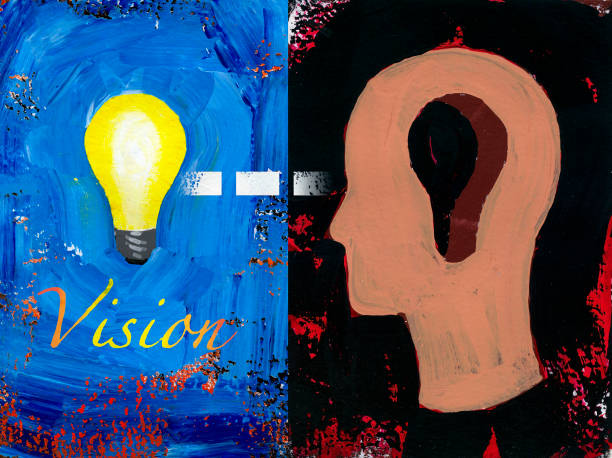
Furthermore, tactile materials democratize art and broaden its audience, most notably within the realm of art for the visually impaired. Here, texture becomes the primary vocabulary. Artists and institutions create works specifically to be explored by hand, using varied materials like carved wood, layered papers, textiles, and found objects to compose images and narratives accessible through touch. This practice not only makes art inclusive but also redefines creative expression itself, prioritizing form, contour, and surface variation over color and light. It challenges the sighted to experience art in a new way, reminding us that vision is just one form of perception and that understanding can flow through the fingertips.
On a conceptual level, the choice of material is itself a potent expressive statement. The Arte Povera movement of the 1960s famously utilized “poor” or unconventional materials like soil, twigs, newspaper, and industrial felt. By doing so, artists like Michelangelo Pistoletto and Jannis Kounellis rejected commercialism and the preciousness of traditional art media, infusing their work with raw, immediate reality and social commentary. The tactile quality of these everyday substances grounds the artwork in the real world, commenting on consumption, nature, and the passage of time. The decaying organic matter or the rusting metal becomes part of the artwork’s evolving story, its texture changing as the material itself transforms.
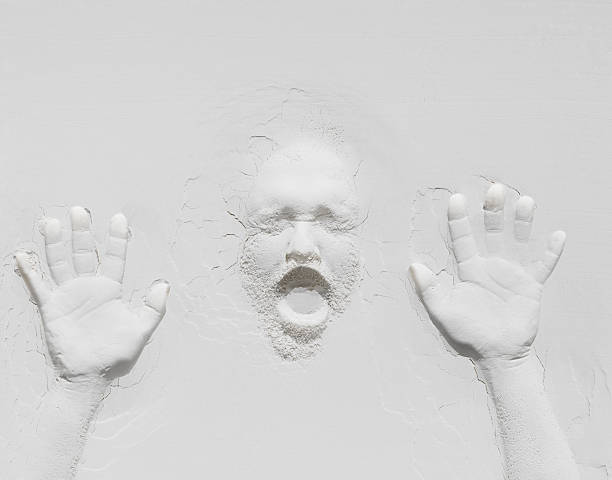
Ultimately, the integration of tactile materials fosters a deeper, more intimate relationship between the artwork and the observer. It invites physical engagement, breaking the “do not touch” barrier of the traditional gallery and creating an active, rather than passive, experience. Whether it is the inviting nap of a wool-felt sculpture or the forbidding spikes of a metal installation, the texture calls for a bodily response. This haptic engagement makes the artistic experience more memorable and impactful, anchoring it in the real space shared by the body and the object.
In conclusion, tactile materials serve as a vital bridge between the artist’s vision and the viewer’s embodied reality. They enrich creative expression by tapping into the emotional reservoir of touch, promoting inclusivity, enabling powerful conceptual critiques, and fostering active participation. By engaging our sense of touch, art transcends the frame and the pedestal, becoming a tangible, living encounter. It reminds us that creativity is not confined to the eye but is a full-bodied conversation with the physical substance of our world, a conversation where texture speaks as eloquently as line or hue.
Articles