
The Power of Texture in Visual Inspiration Boards
When you think about a visual inspiration board, your mind probably jumps to colors, images, and maybe a few moody photographs. But there is a layer that often gets overlooked, yet it can unlock a whole new dimension of creative thinking: texture. Texture is not just about how something feels to the touch. It is about the visual suggestion of roughness, smoothness, grain, weave, or grit. By deliberately including textures in your inspiration board, you force your brain to engage with a sensory quality that is often processed subconsciously. This can lead to unexpected connections and fresh ideas.
Consider the difference between a glossy, polished magazine cutout and a piece of torn, fibrous handmade paper. Each one carries a different weight and emotional tone. Glossy suggests modernity, speed, and perfection. Rough paper suggests history, imperfection, and organic growth. When you place them side by side, your mind starts to ask questions: Why does this combination feel right? What story does the contrast tell? That act of questioning is where creativity begins.
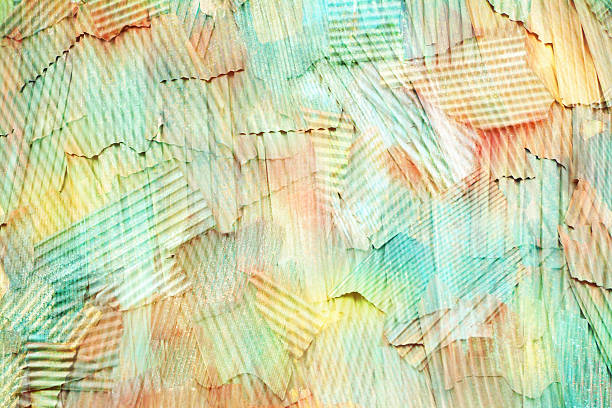
To build a texture-rich inspiration board, you need to go beyond scissors and glue. Start by exploring your environment with your fingertips. Walk through a hardware store and pay attention to the different surfaces—sanded wood, brushed metal, corrugated cardboard, rubber matting. Take close-up photographs of these materials under different lighting. Often the texture becomes more dramatic in shadow or direct light. A slab of concrete might look flat at a distance, but up close with raking light, it reveals a landscape of pits and cracks that could inspire a pattern for a fabric print or a backdrop for a digital illustration.
Clothing and fabric stores are treasure troves. Collect swatches of velvet, linen, burlap, denim, and silk. Each fabric tells a different story about movement and comfort. Velvet invites touch and suggests luxury, while burlap feels earthy and utilitarian. When you pin these swatches next to a photograph of an abandoned warehouse, you start blending the feel of different eras and uses. This cross-pollination is exactly what stimulates new ideas.
Don’t overlook nature. Tree bark, leaves, sand, and stones offer endless variation. A close-up of lichen on a granite rock has a texture that resembles a miniature forest. A dried seed pod has a honeycomb pattern that could translate into a structural design. By photographing these and printing them out, you bring the outdoors into your creative process. The irregular, organic patterns in nature often break the rigidity of artificial designs, giving your board a sense of life and movement.
Another powerful source is old paper. Vintage books, maps, and letters have a texture that is almost impossible to replicate digitally. The yellowing, the brittle edges, the slight indentations from a typewriter—all these carry the weight of time. Including such items on your board adds a layer of narrative. You are not just collecting textures; you are collecting history. And history is a rich vein for creative storytelling.
Now, how do you arrange these textures on your board? Do not be afraid of chaos. A grid can suggest order and logic, but a more scattered, intuitive placement mimics how the brain actually makes connections. Let one texture lead to another. Start with a piece of rusted metal, then find a photograph of peeling paint, then add a fabric that has a similar warm brown tone. The relationship might be visual, but it also taps into a shared emotional resonance—decay, age, resilience.
Texture also works wonderfully as a backdrop. Instead of mounting everything on a plain white board, consider covering your board with a textured material like cork, unbleached cotton, or even a sheet of corrugated cardboard. The base itself becomes part of the composition. Every time you look at the board, your eye will register that subtle grain, making the whole experience richer.
The creative class often talks about thinking outside the box, but the real trick is thinking with your senses. Texture is a direct line to memory and emotion. A rough piece of stone might remind you of the beach as a child. That memory can then spark a story, a painting, or a product design. By consciously including textures in your inspiration board, you are training yourself to notice the material world more deeply. And that noticing is the wellspring of creativity.
So next time you set up a new inspiration board, do not just think in two dimensions. Scratch, feel, and collect. Add something that makes you want to reach out and touch the board. That physical urge is a sign that your creative brain is waking up. Texture is the silent partner in visual inspiration, and once you bring it into the conversation, you will never look at a mood board the same way again.
Articles