The Power of Singular Focus: Why a Single Object Anchors Meditation
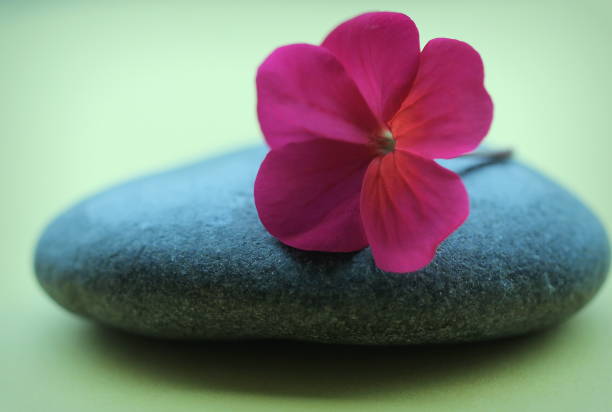
In a world of relentless distraction, the practice of meditation offers a sanctuary of calm. For beginners and seasoned practitioners alike, a common and potent technique is the use of a single object for meditation. This object—be it the breath, a candle flame, a repeated mantra, or even a stone—serves not as an end in itself, but as a vital tool. Its purpose is to simplify the chaotic landscape of the mind, providing an anchor that makes the profound benefits of meditation accessible and deepens the journey inward.
The primary reason for this singular focus is the nature of the untrained mind, which the classical texts often compare to a wild monkey, constantly jumping from thought to thought. When we sit to meditate with an open, objectless awareness, we are often swiftly overwhelmed by a torrent of mental chatter, plans, memories, and sensations. This can lead to frustration and the mistaken belief that one is “bad” at meditating. A single object provides a gentle but firm point of return. Each time the mind inevitably wanders—which it will, hundreds of times—the object is there, a neutral home base. The repetitive act of noticing the distraction and returning to the anchor is not a failure; it is the very exercise that builds the muscle of concentration, or samadhi. This focused attention, cultivated over time, becomes the stable foundation for all deeper insight.
Furthermore, a single object acts as a filter for consciousness, transforming an abstract practice into a tangible experience. Instead of wrestling with the nebulous command to “clear your mind,“ the practitioner has a simple, immediate task: feel the breath at the nostrils, observe the flicker of the flame, listen to the sound of the mantra. This sensory specificity grounds us in the present moment, the only place where meditation truly occurs. The breath, perhaps the most universal object, is especially powerful because it is always present, rhythmically bridging the conscious and the autonomic. By focusing on its natural flow, we tap into a bodily rhythm that can soothe the nervous system, lowering heart rate and reducing stress hormones. The object becomes a gateway from the conceptual world of thinking to the experiential world of being.
On a deeper level, the consistent use of a single object can reveal the very patterns of the self. As we observe our relationship to the anchor—our impatience with it, our desire for a more interesting experience, our attempts to control it—we see our habitual reactions in microcosm. The candle flame doesn’t bore us; we project boredom onto it. The breath isn’t frustrating; our judgment of it creates frustration. In this way, the simple object becomes a mirror, reflecting our inner landscape without the complexity of external relationships. This leads to self-knowledge and the gradual dis-identification from passing thoughts and emotions.
Ultimately, the single object serves as a raft to cross the river of mental turbulence. Once concentration is sufficiently developed, the object itself may begin to dissolve or recede into the background. What remains is a spacious, alert awareness—the original goal of many meditative paths. The object was the means to calm the waters so the depths could be seen. To forgo this tool is like trying to map the ocean floor during a hurricane; the surface is too agitated to perceive what lies beneath. By voluntarily limiting our focus to one point, we paradoxically open ourselves to a vaster inner freedom. In the unwavering attention to a single thing, we discover the capacity to meet all things with greater clarity, calm, and compassion.
Articles