The Power Nap as a Gateway to Creative Insight
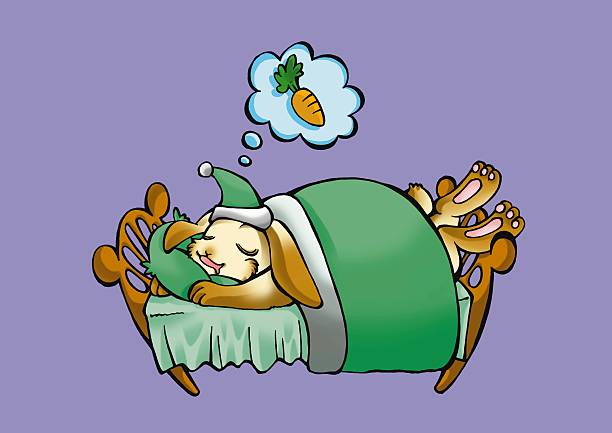
Some of the best ideas you will ever have will arrive not while you are sitting at a desk, staring at a blank page, but in the foggy moment just after you wake up from a short nap. There is nothing mystical about this. Your brain, left alone for a few minutes, does something remarkable: it sorts through the raw material of your day, connects fragments that seemed unrelated, and sometimes hands you a solution you never considered while you were wide awake. The trick is knowing how to take a nap that actually works for creative work, not just for catching up on sleep.
The key to a creative nap is duration. A full sleep cycle runs about ninety minutes, taking you from light sleep into deep sleep and then into Rapid Eye Movement, or REM, sleep. REM is the stage where most dreaming happens, and it is also the stage where your brain makes the most unexpected connections. It does this by sifting through memories and experiences, pulling up old information and mixing it with new problems you have been working on. But you do not need the full ninety minutes to get the benefit. A power nap of twenty to thirty minutes keeps you in the lighter stages of sleep. This is enough to refresh your alertness and clear mental fog, but it is not enough to enter deep sleep. Waking from deep sleep leaves you feeling groggy and worse off than before, a state called sleep inertia that can ruin your creative momentum for an hour or more.
If your goal is to unlock creative insights, aim for a nap that lasts about sixty to ninety minutes. This allows you to complete a full sleep cycle, including a solid stretch of REM. Many artists, writers, and scientists have used this technique deliberately. Thomas Edison was famous for taking short naps in his workshop chair, holding a metal ball in his hand so that when he dozed off, the ball would drop and wake him just as he entered the border between sleep and wakefulness. That half-dream state, called hypnagogia, is a known breeding ground for creative ideas. Edison used it to capture fragments of thought that would otherwise vanish in deeper sleep.
You can replicate something similar without metal balls. Set an alarm for thirty minutes if you only need a quick recharge, or for ninety minutes if you want to go through a full cycle. The environment matters as much as the timer. Choose a quiet, dim place where you will not be disturbed. A sofa, a reclining chair, or even a car seat can work if you are comfortable. Darkness helps your brain release melatonin, the chemical that tells your body it is time to rest. If you cannot get total darkness, an eye mask works nearly as well. Temperature matters too. A slightly cool room, around sixty-five to sixty-eight degrees Fahrenheit, helps your body drop into sleep faster than a warm room does.
Timing is another factor. The best time for a creative nap is in the early afternoon, roughly between one and three oclock. This matches a natural dip in your body’s circadian rhythm, the internal clock that governs your energy levels throughout the day. Napping too late in the afternoon can interfere with your nighttime sleep, which is the real foundation for creativity. A single strategic nap is a supplement to good nightly rest, not a replacement.
What should you do right before you lie down? Spend a few minutes thinking about the creative problem you want to solve. Do not try to force a solution. Instead, hold the question loosely in your mind. Read a summary, look at a sketch, or review a few notes. Then let it go. The act of sleeping gives your brain permission to work on the problem without your conscious interference. When you wake up, keep a notebook or voice recorder nearby. The ideas that surface in the first minute after waking are fragile and often vanish if you do not capture them immediately. Write down anything that comes to mind, no matter how silly or incomplete it seems.
Regular practice makes the power nap more effective. Your brain learns that a brief period of rest is a signal to start sorting and connecting, not just to power down. Over time, you will develop a feel for your own rhythm. Some people respond better to a twenty-minute nap that leaves them sharp and ready to sketch. Others need the deeper rest of a full cycle to pull out a sudden breakthrough. Try both and pay attention to what works for your particular kind of creative work.
The simplest way to think about it is this: a nap is not a break from creativity. It is a tool for creativity. When you lie down and close your eyes, you are not wasting time. You are giving your brain a chance to do what it does best behind the scenes. The next time you are stuck on a project, stop fighting it. Find a quiet spot, set an alarm, and let your mind do the heavy lifting while you rest.
Articles