

The Multisensory Mind: How Engaging Multiple Senses Forges Stronger Memories
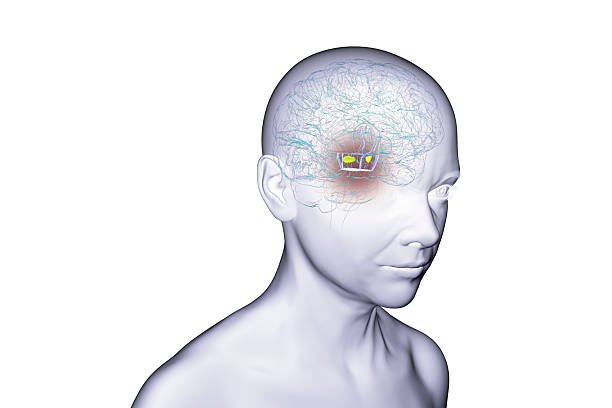
Memory is not a simple filing cabinet in the mind, where experiences are stored in isolation. Instead, it is a rich, interconnected tapestry woven from the very fabric of our perceptions. The act of remembering is profoundly enhanced when we engage multiple senses, a principle rooted in the complex architecture of the brain itself. Engaging sight, sound, smell, touch, and taste creates a more robust and accessible memory trace, transforming fleeting moments into lasting impressions. This multisensory approach to encoding information is crucial because it mirrors the way we naturally experience the world, provides redundant pathways for retrieval, and taps into the brain’s innate associative power.
Fundamentally, our brains evolved to process a symphony of sensory inputs simultaneously. In a natural environment, we do not see a berry without also feeling its texture, smelling its fragrance, and tasting its sweetness. The brain’s memory centers, particularly the hippocampus, are adept at binding these disparate sensory details into a single, cohesive engram, or memory trace. When we later encounter one element of that sensory combination—perhaps the smell of the berry—the entire network of connected details is reactivated. This is why the scent of a particular perfume can instantly transport someone to a conversation with a grandmother decades prior, or why hearing a song from one’s youth can evoke vivid imagery of a specific time and place. Each sense adds a unique thread to the memory’s neural net, making it stronger and less likely to unravel than a memory reliant on a single sense, such as reading plain text.
This process, known as redundant encoding, creates multiple access points or retrieval cues for a single memory. Consider learning a new word in a foreign language. If one only reads it, the memory is visual. But if one also hears it pronounced, writes it by hand, and uses it in a spoken sentence, the memory now has auditory, kinesthetic, and contextual anchors. Should the visual cue fail, the sound of the word or the feeling of writing it may provide an alternative route to retrieval. This is the cognitive rationale behind study techniques like using flashcards with images, reciting notes aloud, or creating physical models. By distributing the memory across different sensory and motor regions of the brain, we build a more resilient and fail-safe system for recall. A memory with a single pathway is like a solitary road to a destination; if blocked, the journey ends. A multisensory memory is a city served by numerous interconnected routes.
Moreover, sensory engagement, particularly involving smell and emotion, has a direct neurological link to memory strength. The olfactory bulb, which processes smell, has a uniquely intimate connection to the amygdala and hippocampus, brain regions central to emotion and memory consolidation. This is why olfactory cues often evoke memories with such startling emotional clarity and vividness, sometimes more so than other senses. The emotional charge that often accompanies multisensory experiences—the awe of a breathtaking vista combined with the sound of crashing waves and the smell of salt air—further signals to the brain that the event is significant and worthy of long-term storage. Emotion acts as a highlighter for the mind, and multisensory experiences frequently trigger that highlighting effect more powerfully.
In essence, engaging multiple senses is important for memory because it aligns with the brain’s inherent design as an integrative, associative organ. It transforms abstract information into a concrete, experiential form, building a web of interconnected cues that safeguard against forgetting. In a world that often prioritizes visual and digital information, consciously incorporating sound, touch, smell, and even taste into learning and experience is not merely an artistic flourish; it is a neurological strategy. It is how we move information from the ephemeral present into the enduring past, ensuring that our memories remain rich, retrievable, and deeply woven into the story of who we are.
Articles