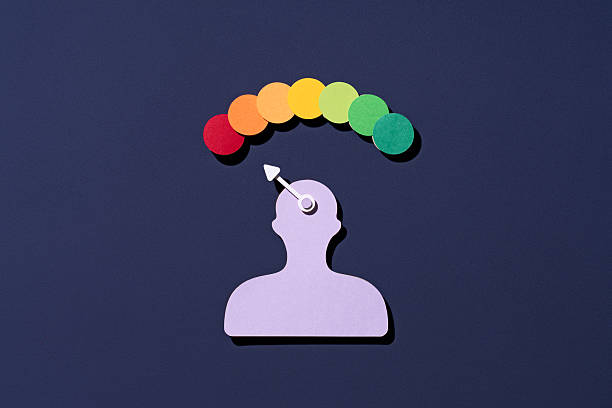
The Invisible Hand: How Our Environment Shapes Motivation and Mood

We often conceptualize our internal states of motivation and mood as purely psychological phenomena, born from willpower or inherent disposition. Yet, a growing body of evidence reveals that these states are profoundly and continuously sculpted by an invisible hand: our physical and social environment. From the lighting in a room to the layout of a city, environmental factors operate as silent conductors, orchestrating our energy, focus, and emotional well-being in ways we frequently underestimate.
The most immediate environmental impact is through sensory input. Natural light, for instance, is a potent regulator of our circadian rhythms. Exposure to bright, natural light during the day boosts serotonin production, a neurotransmitter linked to mood elevation and focus, thereby enhancing motivation. Conversely, dim, artificially lit spaces, especially those dominated by harsh fluorescent lighting, can strain the eyes, disrupt sleep cycles, and lead to feelings of lethargy and low mood, effectively draining our motivational reserves. Similarly, auditory environments hold significant sway. Chronic exposure to noise pollution—traffic, construction, or even a cacophonous open-plan office—triggers a stress response, elevating cortisol levels. This constant low-grade stress erodes concentration, increases irritability, and makes sustained motivation for complex tasks exceedingly difficult. In contrast, environments with access to natural soundscapes or controlled, quiet spaces promote calm and cognitive clarity.
Beyond the sensory, the spatial organization of our environment directly influences our behavioral momentum. Clutter and disorder are not merely aesthetic issues; they create cognitive overload. A chaotic desk or a disorganized home bombards the brain with excessive stimuli, reducing working memory and increasing anxiety. This visual noise makes initiating tasks daunting, thereby crippling motivation. An organized, tidy space, however, minimizes distraction and subconsciously signals the brain that it is time for focused work. Furthermore, environmental design can either facilitate or hinder healthy habits that underpin mood and drive. A home where nutritious food is readily accessible and exercise equipment is visible promotes choices that enhance energy and well-being. An environment designed for sedentariness, conversely, makes passive habits the path of least resistance, contributing to sluggishness and lowered mood over time.
Perhaps the most powerful environmental factor is our connection to the natural world. The concept of “biophilia” suggests humans possess an innate affinity for nature. Studies consistently show that even brief exposure to green spaces—a park, a view of trees, or indoor plants—can reduce stress, lower blood pressure, and improve mood. This restorative effect directly fuels motivation by reducing mental fatigue and renewing cognitive resources. Urban environments devoid of nature, characterized by concrete and steel, lack this restorative quality and can contribute to feelings of isolation and anxiety, creating a backdrop against which motivation struggles to thrive.
Finally, the social and cultural environment sets the overarching tone for our internal states. A workplace or community that fosters psychological safety, collaboration, and recognition cultivates intrinsic motivation and positive mood. Being in an environment where one feels valued and supported triggers the release of oxytocin, enhancing trust and satisfaction. Conversely, toxic social environments marked by chronic stress, negativity, or lack of support are profoundly demotivating. They can lead to burnout, anxiety, and depression, demonstrating that the social atmosphere can override even the most optimally designed physical space.
In conclusion, motivation and mood are not islands of internal will but are deeply interwoven with the fabric of our surroundings. The environment acts as a constant, interactive script, cueing behaviors, filtering sensory input, and triggering neurochemical responses that collectively determine our drive and emotional hue. By becoming mindful architects of our immediate spaces—maximizing light, minimizing clutter and noise, incorporating nature, and nurturing positive social climates—we gain a powerful, often overlooked tool. We can design environments that do not deplete us, but that actively conspire to support our motivation and elevate our mood, recognizing that the spaces we inhabit are, in truth, participants in our mental lives.
Articles