The Hotel Lobby: Your Next Creative Workspace
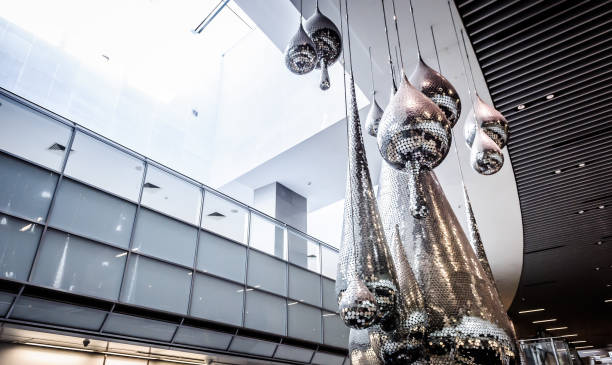
The steady hum of conversation, the clink of a cup against a saucer, the soft elevator chime announcing arrivals and departures. If you have been stuck on a creative problem for hours inside your usual home office or studio, the hotel lobby offers something your regular space cannot: a deliberate shift in sensory input that can snap your brain out of its rut. It is not a coffee shop, though it shares some DNA. It is not a co-working space, though you can certainly get work done there. The hotel lobby is a hybrid environment designed to make travelers feel comfortable and slightly pampered, and that combination can do wonders for your creative output.
The first advantage is the novelty of the setting. Your brain is wired to notice what is new and unfamiliar. When you walk into a lobby you have never visited, you are forced to take in the décor, the layout, the lighting, and the people. This requires a small mental adjustment that breaks you out of the autopilot you fall into when you sit at the same desk day after day. That autopilot is the enemy of fresh ideas. By introducing a fresh visual and auditory landscape, you give your mind a gentle shake. It is the same reason writers sometimes go to a café or painters work in a park. The change itself is the catalyst.
Second, the noise level in a well-run hotel lobby is usually a Goldilocks zone for creative work. It is not silent like a library, where every page turn sounds like a gunshot and you can hear your own stomach growling. It is not so loud that you cannot think. The ambient sound is a steady murmur punctuated by footsteps, luggage wheels, and the occasional laugh. Researchers have found that a moderate level of background noise—about seventy decibels—can enhance abstract thinking compared to complete silence or overwhelming racket. Your brain has to work just hard enough to filter out the irrelevant sounds, and that slight cognitive effort keeps you from drifting into daydreaming while still letting your associative thoughts wander into new connections.
Anonymity also plays a role. In a hotel lobby, you are a transient. Nobody expects you to be there. The front desk staff may nod at you if you buy a coffee, but they have no idea what you are working on. The other guests are passing through. That lack of social obligation frees you from the pressure to perform. You do not have to look busy for a boss or a colleague. You can stare at the ceiling, doodle in a notebook, or suddenly type three pages of disjointed notes without feeling judged. The space is public but indifferent, and that indifference can be liberating for someone who needs permission to fail while exploring.
Then there is the infrastructure. Hotel lobbies are built for comfort. There are couches, armchairs, small tables, and usually plenty of power outlets tucked away near floor lamps. You can find a quiet corner with a view of the street or a cozy nook near the fireplace, depending on the season. Most lobbies have a café or a bar where you can buy a coffee or a tea, which gives you a reason to stay without feeling like you are squatting. The bathroom is clean and nearby. The Wi-Fi is generally reliable, though you may need to ask for the password. All these small conveniences add up: you can settle in and stay for a couple of hours without needing to pack up and move.
The key is to treat the experiment like a real work session. Bring what you need—laptop, notebook, pens, charger. Set a goal before you walk in. Maybe you want to draft the first five hundred words of a new project, sketch out a concept map for a design, or brainstorm three angles for a campaign. The lobby is not a place to scroll social media. Use the novel environment to dive into the work that has been resisting you. If you hit a wall, get up and walk around the lobby for a minute. Look at the artwork on the walls, read the hotel brochure, watch people come and go. That micro-break will often give your subconscious the chance to click a new piece into place.
One practical tip: choose your time carefully. Mid-morning between check-out and check-in is usually quiet. Late afternoon before the business travelers return from meetings is another sweet spot. Avoid early mornings when the breakfast crowd is loud and late evenings when the bar gets rowdy. A large hotel chain with a spacious lobby is often better than a boutique hotel with only a narrow hallway. Do not be afraid to try three different hotels in your neighborhood over the course of a week. Each one will have its own character, and one may click with you in a way the others do not.
Ultimately, working in a brand new space is about giving your brain a different context to do its job. The hotel lobby is a low-cost, low-commitment way to test that idea. You are not renting a studio or booking a flight. You are simply walking into a building designed to make strangers feel welcome, parking yourself in a chair, and letting the hum of transient life nudge your thinking in a new direction. The next time you feel your creativity stall, skip the usual café and find a hotel lobby. That unfamiliar couch might be the best seat in town for your next breakthrough.
Articles