The Unpredictable Logic of Working with Plaster
There is a moment, when you first plunge your hands into a bucket of wet plaster, that your brain registers something vital. The material is cold. It is heavy with water, like dense cream that has barely set. As you stir, it offers resistance, a specific kind of friction that changes from second to second. It is both forgiving and demanding. For anyone trying to break a creative rut, this simple act of handling a raw, setting material is a shortcut out of the head and into the world of physical problem-solving.
Plaster is a material that refuses to be rushed. It has a clock. You mix the dry powder into water, feel the heat release as the chemical reaction begins, and from that moment, you are in a race against its setting time. This forced timeline is surprisingly useful. In a typical creative process, you have infinite undo potential. You can stare at a blank canvas or a blinking cursor for hours, paralyzed by endless choice. Plaster eliminates that. Once it starts to set, there is no going back. You have to make a decision with your hands. You have to scrape, press, carve, or add more material right now, before it turns to stone.
Working with plaster teaches a specific kind of logic that is not found in digital tools. When you sculpt clay, you can always add a little more water to soften it. Plumber’s putty behaves like a very stiff dough. But plaster is different. The granular structure of the dry powder, the way it absorbs water, the exact ratio of mixture—these variables change the outcome completely. Too much water and the plaster is weak, crumbling like stale chalk. Too little and it sets before you have a chance to shape it. This forces you to pay attention to texture as a primary source of information. You are not thinking about a finished product. You are thinking about the immediate sensation of the material between your fingers: is it smooth, gritty, slippery, or tacky?
What makes plaster such a powerful tactile tool for creativity is the way it forces a shift from rigid planning to responsive improvisation. In normal creative work, there is a tendency to visualize the result and then execute. Plaster resists that. A tool that worked perfectly on the left side of the form might tear the right side if the plaster is too dry. A handprint that looked interesting at first might collapse the whole structure. You are forced to react. This is not failure. This is the material talking back to you, offering you a dialogue instead of a monologue.
For a writer, a designer, or a painter who has been staring at a screen, the physicality of plaster provides a kind of reset. It engages the fingertips, the palms, the pressure of the wrist. You feel the weight of your own arm. You feel the drag of the plaster across your skin as it dries and tightens. This is not a metaphor. There is actual sensorimotor feedback that wakes up parts of the brain that are dormant when you are just typing or clicking. When you have to dig your thumb into a lump of wet gypsum to find the structural line you want, you are solving a problem with your body. That solution often carries over into the abstract thinking you were stuck on earlier.
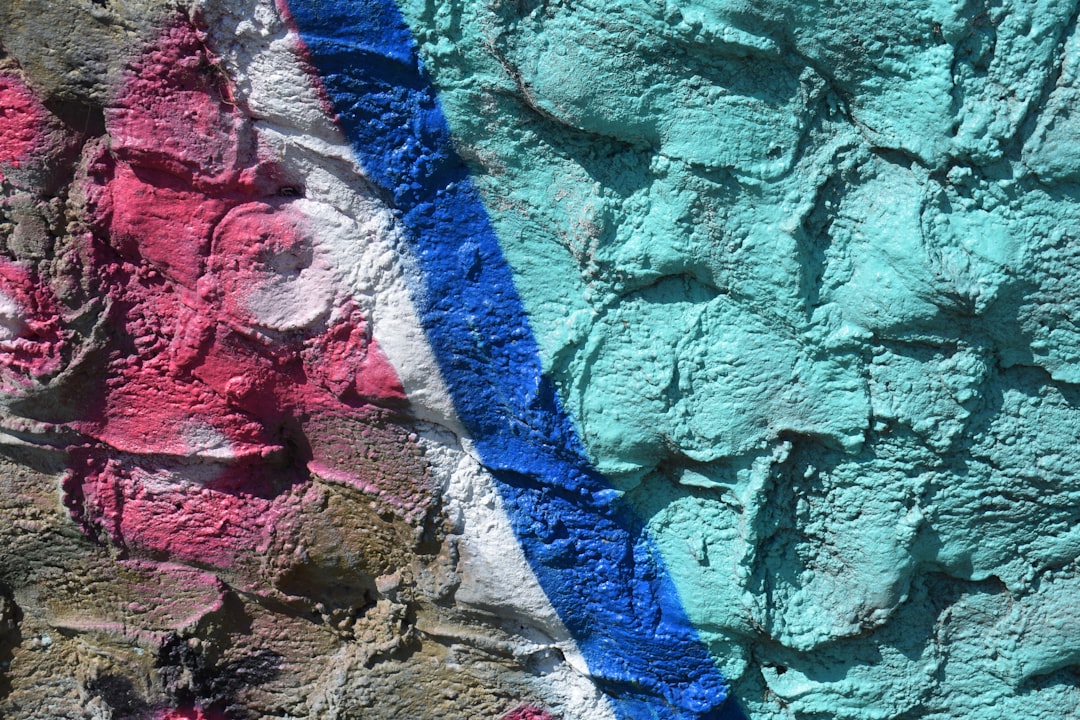
There is also the matter of mistakes. Plaster mistakes are beautiful. A crack that appears as the material dries is not a defect; it is a record of tension and time. A rough edge left by a too-sharp knife becomes a texture you could never have invented deliberately. The accident becomes the design. This is a lesson that applies directly to any creative field. The perfect idea, the one that is fully formed in your head before you start, is often the least interesting. The real innovation comes from getting your hands dirty, making a mess, and then working with what the material gives you.
Perhaps the most important aspect of working with plaster is the sheer sensory noise it creates. It smells like wet earth and mineral dust. Your hands feel tight and chalky afterward. The studio floor gets white footprints. This is not a clean, sterile process. It is messy, physical, and immediate. That messiness is valuable. It pulls you out of abstract thought and into real time. You are forced to feel the temperature change, the texture shift, the weight of the object as it grows heavier with drying. There is no distraction. There is only you, the material, and the next move.
So if you find yourself stuck in a loop of overthinking, pick up a bag of plaster. Mix it too thick. Mix it too thin. Let it drip. Carve into it before it sets. Let it set and then break it. The logic of plaster is not the logic of the mind. It is the logic of the hand, the wrist, the shoulder, the feeling of something that is alive and changing under your touch. That unpredictable conversation is often the exact spark a blocked creative person needs.
Articles