
The Art of Harmony: A Guide to Choosing a Cohesive Color Palette
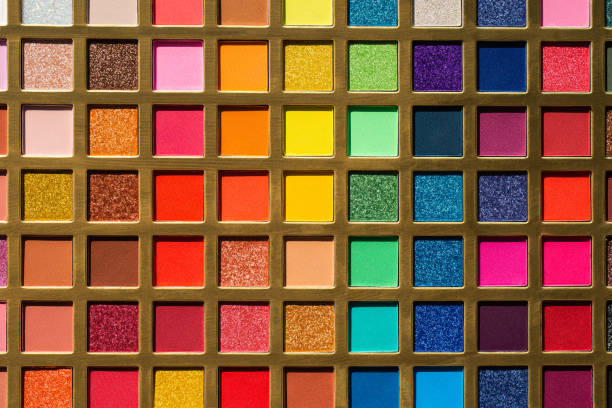
Selecting a cohesive color palette is a foundational step in any visual endeavor, whether designing a website, decorating a home, or creating a brand identity. A harmonious palette feels intentional, balanced, and pleasing to the eye, guiding the viewer’s experience without overwhelming them. The journey to achieving this cohesion is less about following rigid rules and more about understanding the underlying principles of color theory and applying them with a clear purpose in mind.
The process often begins with a single source of inspiration. This could be a photograph that evokes a specific mood, a piece of fabric with a captivating pattern, or even a natural landscape. By extracting colors from this source, you establish an inherent harmony, as these tones already exist together in a visually successful way. From this starting point, you can identify a dominant color that will set the overall tone. This primary hue becomes the anchor of your palette, the color that will be most prevalent in your design or space. It is crucial to consider the psychological and emotional weight of this choice, as a deep navy blue conveys a very different feeling than a soft terracotta.
With a dominant color established, the framework of a traditional color scheme provides a reliable path to cohesion. The color wheel is an indispensable tool here. An analogous scheme, using colors that sit side-by-side on the wheel, creates a serene and comfortable feeling, often found in nature. A complementary scheme, which pairs colors opposite each other on the wheel, generates vibrant energy and high contrast, perfect for creating dynamic focal points. For a more nuanced and sophisticated look, a triadic scheme, using three colors evenly spaced around the wheel, offers rich contrast while retaining balance. These schemes are not strict cages but rather starting frameworks that guarantee a degree of color relationship from the outset.
Cohesion, however, is not achieved by hue alone. The true secret often lies in manipulating saturation and value—the intensity and lightness or darkness of a color. A palette can become disjointed if one color is intensely saturated while others are muted, or if values are not distributed thoughtfully. A cohesive palette typically maintains a consistent level of saturation; a group of dusty, muted earth tones will work seamlessly together, just as a set of bright, pure neon colors will. Similarly, ensuring a range of values—from lights to mid-tones to darks—creates visual interest and depth while maintaining unity. This is where the 60-30-10 rule finds its utility, not as a law but as a guiding principle for proportion. It suggests using your dominant color for roughly 60% of the space, a secondary color for 30%, and an accent color for the remaining 10%. This structure prevents visual chaos and allows the eye to move comfortably through the composition.
Finally, a cohesive palette must serve its context and purpose. A website for a children’s toy store will demand a different palette than a law firm’s annual report. Consider accessibility and legibility, ensuring sufficient contrast for text and important elements. It is also wise to test your palette in its intended environment. View colors on different screens, observe them in various lights, and see them applied to different materials. A color that looks perfect on a digital swatch may feel entirely different on a wall or a fabric swatch. The most successful palettes feel inevitable, as if the colors could not possibly exist without one another. They tell a consistent story, evoke a specific atmosphere, and ultimately, create a sense of visual calm and intention that resonates with the viewer. By starting with inspiration, respecting the relationships on the color wheel, carefully balancing saturation and value, and always considering context, you can move beyond simply picking colors you like and begin crafting palettes with meaning and harmony.
Articles