
The Afternoon Dip: Why Your Brain Craves a Nap for Creative Breakthroughs
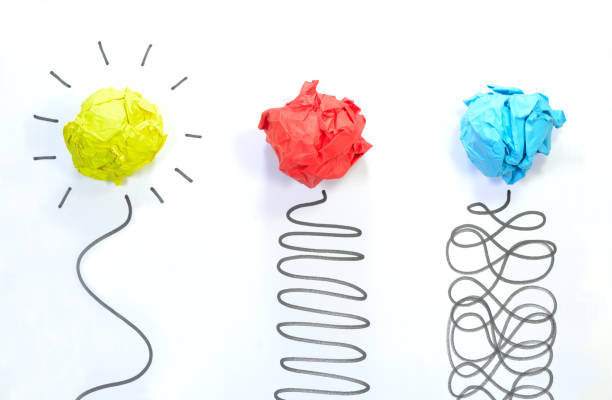
Every creative knows the feeling. It hits somewhere between two and four in the afternoon. Your eyes get heavy. Your thoughts turn sluggish. The sentence you were writing now looks like a foreign language. The sketch you were working on becomes a muddle of lines. You reach for another coffee, or you push through with sheer willpower, but the work you produce feels flat, forced, and uninspired. That slump is not a sign of laziness or poor discipline. It is a biological signal that your brain is ready for a reset—something that, if used correctly, can actually fuel your most creative ideas.
The afternoon dip is a natural part of your body’s circadian rhythm. For most people, energy levels peak in the late morning and then drop in the early afternoon. This is not a defect in your design. It is a built-in opportunity. Instead of fighting it with caffeine or grit, you can use it to your advantage by taking what is often called a power nap—a short, strategic break that clears the mental clutter and opens the door to fresh connections. The key is keeping it short. Ten to twenty minutes is the sweet spot. Anything longer than half an hour can leave you groggy and disoriented, which defeats the purpose. But a quick nap in that window can restore alertness, sharpen focus, and—most importantly for the creative mind—spark novel ideas.
Think of your brain after a morning of hard work as a desk covered in scattered papers. You have been juggling concepts, sorting through references, and trying to make something new out of raw material. By the afternoon, the desk is a mess. Your mental workspace is cluttered, and it becomes harder to see the patterns that lead to breakthroughs. A power nap acts like a brief, automatic clearing. During that short sleep, your brain does not shut down. It continues working, but in a different mode. It consolidates memories, sifts through the day’s input, and, crucially, makes loose associations between pieces of information that were not connected before. This is exactly the kind of thinking that produces creative leaps.
Many of history’s most inventive people understood this instinctively. The painter Salvador Dalí used a technique he called “slumber with a key.” He would sit in a chair holding a heavy metal key over a metal plate. As he drifted off into a light sleep, his muscles would relax, the key would drop, and the clatter would wake him. In that brief moment between wakefulness and sleep—the hypnagogic state—he often found the surreal images that would become his paintings. Thomas Edison used a similar trick with ball bearings in his hands. These men were not looking for a full night’s rest. They were after that short, fertile window where the mind is free enough to make unexpected connections.
The beauty of the power nap is that it does not require a bed or a dark room. A quiet chair, a couch, or even a car seat will do. The goal is to fall into light sleep, not deep sleep. Deep sleep takes about thirty minutes to enter, and waking from it leaves you confused. A ten-minute nap is just enough to reset your mental state without crossing that threshold. You can train yourself to wake naturally if you practice. Set an alarm for fifteen minutes, give yourself two minutes to settle, and then let go. When the alarm rings, get up immediately. Do not linger. Within a few minutes the grogginess will fade, and you will feel a distinct lift— clearer thinking, better mood, and a more open attitude toward your work.
Some creators worry that napping will ruin their nighttime sleep. The opposite is often true, as long as you keep the nap early enough in the afternoon. A short siesta before three or four o’clock does not interfere with your night’s rest. In fact, it can take the edge off the evening fatigue that makes it hard to fall asleep later. The result is a more consistent energy cycle throughout the day.
The creative class—writers, designers, musicians, inventors—thrives on moments of insight that come when the conscious mind steps aside. The power nap is a simple, physical way to invite those moments in. It costs nothing, requires no special equipment, and fits into nearly any schedule. Next time the afternoon dip hits, do not reach for the coffee. Find a quiet corner, close your eyes, and give your brain the short break it is asking for. The idea you have been waiting for might just be ten minutes away.
Articles