The 15-Minute Power Nap: A Strategic Reset for Creative Work
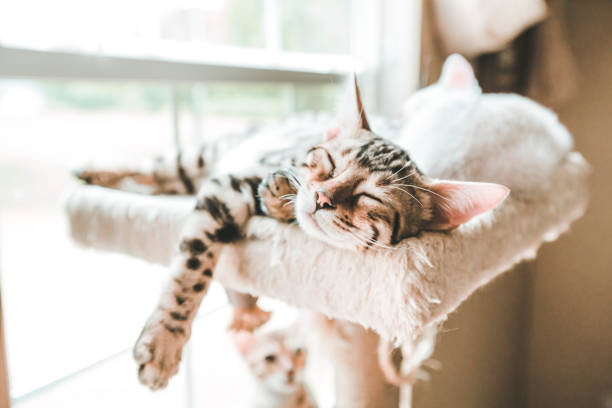
Creativity stalls not because you lack ideas but because you are tired. The tired mind takes shortcuts. It reaches for the first familiar solution, the same layout, the same sentence shape, the same chord. A short nap can interrupt that pattern. It is not a luxury or a sign of laziness. It is a practical tool for writers, designers, editors, coders, and anyone who needs to make something new. The trick is to keep it short and use it on purpose. The goal is not deep sleep. The goal is a brief step away from the screen and a return with fresh eyes.
The best length is ten to twenty minutes. Longer naps can leave you heavy and slow. Set an alarm before you lie down. Put the phone away. Lie on a couch, a bed, or a reclined chair. Darken the room or cover your eyes. If you cannot sleep, rest quietly. Many creative blocks are attention problems, not idea problems. A short nap lets your attention rest. When you return, you notice details you missed and connect things you already knew.
Timing matters. Most people feel an afternoon dip between one and three. Instead of fighting it with another coffee, use it. A nap then feels easy and is less likely to ruin night sleep. If you start work very early, your dip may come earlier. If you work late, avoid napping too close to bedtime. The strategic part is to plan the nap before a task that needs fresh thinking. Do not nap randomly and then answer email. Nap before editing a draft, naming a product, sketching a layout, or writing a scene that has gone flat. Use the clearer window that follows.
Some people drink coffee and then nap for twenty minutes. By the time they wake, the coffee is starting to work. If caffeine makes you jittery, skip it. A gentle alarm is better than a loud one. When you wake, do not jump straight into messages. Stretch, drink water, look out a window. Give yourself two or three minutes to come back. Then start with the hard creative task, not the inbox. The inbox will fill your head with other people’s problems. The nap gives you a small window of your own.
If you cannot fall asleep, do not force it. Close your eyes and breathe slowly. Let thoughts pass. Even ten minutes of quiet rest can help. The creative class often confuses stimulation with inspiration. A feed full of images and updates feels like input, but it is often noise. A short nap is a deliberate break from noise. It allows your own ideas to surface. You may not solve the problem during the nap. You may solve it in the first five minutes after.
To make napping a habit, attach it to something you already do. After lunch is common. Keep the same time each day when possible. Use a timer. Do not worry about sleeping perfectly. The goal is rest, not performance. If you wake foggy, you probably slept too long. Next time set the alarm for ten minutes. If you wake refreshed, note what worked. Treat it like a craft. Adjust as needed. Some days ten minutes is enough. Some days twenty is better. Consistency matters more than intensity.
The benefits for creative work are simple. After a short nap, it is easier to start. You may spot a simpler solution. You may have more patience for revision. You may make unusual connections because you are not running on empty. This is not magic. It is just a rested mind. Tired people default to the familiar. Rested people can explore. For a designer stuck on a logo, a writer stuck on a paragraph, or a musician stuck on a bridge, a short nap can be the reset. It will not write the song. It clears the desk.
A power nap is not a replacement for night sleep. But when you need a creative push, a short strategic nap is one of the simplest tools available. You need a timer, a quiet spot, and the discipline to stop. You will return to your work with a better mind.
Articles