How a Full Body Scan Can Clear the Way to Better Ideas
A full body scan is a simple way to check in with yourself before you start making something. You sit or lie down, then move your attention slowly through your body, from your feet to your head. The goal is not to relax perfectly or to empty your mind. The goal is to notice what is already happening. For creative work, this matters because ideas rarely flow when your body is tense, rushed, or pulled in five directions. A scan gives you a practical way to spot tension, set it down, and gather your attention before you open a blank document, pick up a pencil, or return to a project that has gone stale.
The method is plain. Sit in a chair with your feet on the floor. Let your hands rest. You can close your eyes or keep them open with a soft gaze. Begin at your feet. Notice the weight of your shoes, the temperature of the floor, the texture of your socks. Move up through your ankles, calves, knees, and thighs. Notice pressure, tightness, warmth, or nothing at all. Then move through your hips, lower back, stomach, chest, shoulders, arms, hands, neck, face, and head. You do not need to fix anything. If you find tension, let it soften if it will. If it will not, notice it and move on. When your mind wanders, return to the last place you remember. That return is the practice.
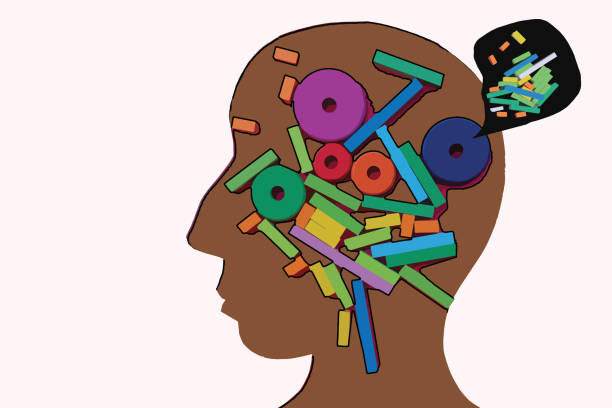
For creative work, the value is in the pause. Most creative blocks are not empty minds. They are crowded minds. You may be thinking about a deadline, a message you need to send, or a comment someone made about your last idea. Your body often shows this before your mind names it. Your jaw tightens. Your shoulders lift. Your breathing gets shallow. A full body scan interrupts that loop. You notice the bracing, and you can choose to unbrace. That small shift can change your view of the work in front of you. An idea that felt impossible may simply need more room.
Use the scan before a creative session, especially when you feel scattered. Five minutes is enough. Start at your feet and move upward at a steady pace. Do not spend too long on one area. Do not turn it into a test. If you feel sleepy, sit up and keep your eyes open. If you notice pain, adjust your posture. The scan is not a cure for everything. It is a way to gather your attention and bring it back to one place at a time. That is useful because creative work asks for the same skill. A designer notices small differences in spacing. A writer notices small shifts in tone. A musician notices small changes in timing. A full body scan is practice in noticing small changes without reacting to them right away.
When you are stuck in the middle of a project, a short scan can reset your view. Stop. Put both feet on the floor. Notice your hands, your eyes, your back against the chair. Let your shoulders drop. Take one slow breath. Then look at the work again. You may see what to cut. You may see the next small step. The scan does not generate ideas by magic. It clears the static that makes ideas harder to hear. That is often enough.
The practice also builds patience. Creative work often fails not because the first idea is bad, but because the first idea is treated as final. A full body scan teaches you to stay with something ordinary for a few minutes. You notice a feeling. You let it be. You move on. That same patience helps when a draft is rough, a sketch is wrong, or a plan needs another pass. You learn to stay long enough for the work to show you what it needs.
Keep the routine simple. Choose a chair you use often. Scan for five minutes before you begin. End at the top of your head, then open your eyes and write one sentence about what changed. Maybe your shoulders dropped. Maybe your breath slowed. Maybe you noticed how rushed you felt. That sentence is the bridge between body and work. Then begin. The scan is not a separate ritual from creativity. It is a way to arrive at the work with more attention than you had before.
Articles