The 15-Minute Creativity Sprint: How a Tight Timer Forces Better Ideas
You sit down to design a new logo, draft a campaign tagline, or sketch the layout for a landing page. The blank screen stares back. You have endless options. You could go minimalist, ornate, bold, subtle, retro, futuristic. This abundance of possibility is supposed to feel liberating, but instead it paralyzes you. Your brain starts hunting for the perfect starting point, and that hunt can stretch into hours of wasted time. The solution is not more freedom. The solution is a tighter box. Set a timer for fifteen minutes and watch how quickly your brain shifts from overthinking to making.
The mechanism is simple but powerful. When you know you have only a quarter of an hour, your brain drops its obsession with quality and switches to quantity. It stops asking “Is this good enough?” and starts asking “What can I put down right now?” That shift is the core of creativity under pressure. You are not trying to produce a finished masterpiece. You are trying to produce a raw slab of material that you can later carve, sand, and polish. The timer transforms the task from a high-stakes performance into a low-stakes experiment. Mistakes become data points, not failures.
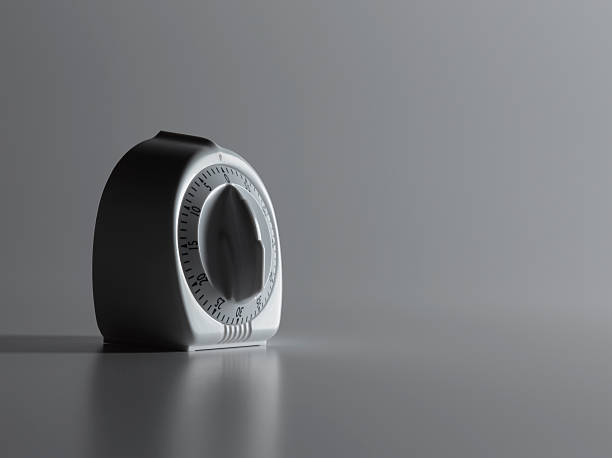
Consider the experience of a songwriter who books a studio for a full day but spends the first three hours adjusting the reverb on a single guitar track. Contrast that with the same songwriter setting a kitchen timer for ten minutes and forcing herself to write a chorus for a made-up song about a broken toaster. The second approach produces something—maybe terrible, maybe weird, but something real. And that real thing can be revised. The first approach produces nothing but anxiety.
This technique works especially well when you combine it with a specific constraint that matches your field. A graphic designer can give herself fifteen minutes to create a logo using only circles. A copywriter can set a timer and write three headlines using only words that start with the letter S. A furniture designer can challenge herself to sketch a chair in ten minutes using only straight lines. The timer and the constraint work together. The timer removes the luxury of hesitation. The constraint removes the paralysis of infinite choice. Together they force you to commit to a direction, any direction, and build from there.
Why does this produce better creative work than the unfettered, open-ended approach? Because creativity is not a mysterious bolt of lightning that strikes you when you are ready. It is a side effect of action. You cannot think your way into a creative breakthrough. You have to do something, see what happens, and then adjust. The tight timer forces you to do something quickly, before your internal critic can shut you down. That critic loves open-ended time. It can spend all day convincing you that your first idea is too obvious, your second is too risky, and your third is too derivative. But when the timer is ticking, the critic gets drowned out by the pressure to move.
There is also a physiological component. A short, intense burst of focused work triggers a mild stress response that sharpens attention. Your body releases a small amount of adrenaline. Your pupils dilate slightly. Your blood flow shifts toward the parts of your brain that handle rapid pattern recognition. You become more alert, more reactive, and less caught in the loop of rumination. This is not a flow state in the mystical sense. It is a practical state of high-contrast focus that you can trigger on demand by simply starting a timer.
Try this exercise the next time you hit a creative block. Pick a problem you have been circling for days. Set a timer for fifteen minutes. Do not plan. Do not research. Do not open inspiration boards. Just start making. Write, draw, build, arrange. Whatever comes out, let it come. Do not judge it. Do not stop. When the timer goes off, stop immediately. Look at what you produced. You will likely find at least one piece of raw material that has more energy and originality than anything you have been polishing for hours. That is because you were operating without the weight of perfection.
The best part is that the fifteen-minute sprint trains your brain to expect quick, decisive action. Over time, you will find yourself hesitating less even in longer projects. The habit of immediate output rewires your creative reflexes. You learn that starting imperfectly is faster and ultimately more productive than starting perfectly. The timer is not a gimmick. It is a tool that exploits the way your brain actually works under clear constraints. Use it. Abuse it. You will get more done in fifteen minutes than you did in the previous two hours of staring at the blank page.
Articles