
Can High-Intensity Interval Training (HIIT) Truly Help with Weight Loss?
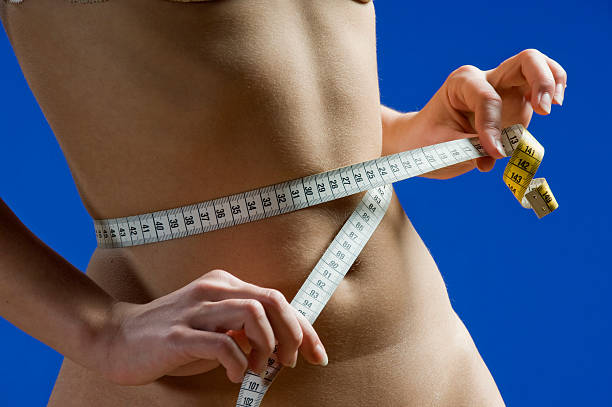
In the ever-evolving landscape of fitness, High-Intensity Interval Training, commonly known as HIIT, has surged in popularity as a potent tool for weight management. The central question remains: can this time-efficient method genuinely aid in shedding pounds? The answer, supported by a growing body of scientific evidence, is a resounding yes. HIIT can be a remarkably effective strategy for weight loss, primarily through its unique ability to elevate metabolism, burn significant calories in a short time, and induce favorable physiological adaptations that extend far beyond the workout itself.
At its core, HIIT involves alternating short bursts of all-out anaerobic exercise with brief periods of lower-intensity recovery or complete rest. A typical session might last only ten to thirty minutes, making it an attractive option for those with busy schedules. The mechanism behind its effectiveness for fat loss is multifaceted. Firstly, the intense nature of the work intervals demands a tremendous amount of energy, leading to a high caloric burn during the session itself. While the total calories burned in a twenty-minute HIIT workout may be slightly less than a steady sixty-minute jog, the true magic of HIIT lies in what happens after the workout concludes—a phenomenon known as Excess Post-Exercise Oxygen Consumption (EPOC), or the “afterburn” effect.
EPOC refers to the body’s increased rate of oxygen intake following strenuous activity, as it works to restore itself to a resting state. This process requires energy, meaning the body continues to burn calories at an elevated rate for hours, sometimes up to twenty-four hours, post-exercise. This prolonged metabolic boost is significantly higher after HIIT compared to steady-state cardio, turning the body into a more efficient calorie-burning machine even during periods of rest. Consequently, the total caloric expenditure from a HIIT session, when accounting for EPOC, can rival or surpass that of longer, moderate-intensity workouts.
Furthermore, HIIT has been shown to be particularly effective at reducing visceral fat—the dangerous abdominal fat that surrounds internal organs and is linked to numerous metabolic diseases. Studies indicate that HIIT can lead to meaningful reductions in this stubborn fat depot, even without major changes in overall body weight. This suggests HIIT improves body composition, replacing fat with lean muscle tissue. The preservation and potential building of muscle mass is another critical advantage. Unlike long-duration steady-state cardio, which can sometimes lead to muscle loss alongside fat loss, HIIT’s explosive movements are anaerobic in nature, signaling the body to maintain its muscle. Since muscle tissue is metabolically active, having more of it further elevates one’s resting metabolic rate, creating a virtuous cycle for long-term weight management.
However, it is crucial to contextualize HIIT within the broader framework of weight loss. No exercise regimen, no matter how potent, can outpace a poor diet. Sustainable weight loss ultimately hinges on a consistent caloric deficit, where energy expenditure exceeds intake. HIIT serves as a powerful engine to drive that expenditure. Additionally, the intense nature of HIIT is not suitable for everyone, particularly beginners or those with certain health conditions, and it requires careful attention to form and recovery to prevent injury. For optimal results, it should be integrated into a balanced fitness routine that includes strength training and flexibility work, and paired with mindful nutrition.
In conclusion, HIIT is far more than a fitness trend; it is a scientifically-backed, highly efficient method for promoting weight loss and improving body composition. Its ability to maximize caloric burn both during and after exercise, target harmful visceral fat, and preserve metabolically precious muscle mass makes it an exceptional choice for those seeking results in limited time. While not a standalone solution and requiring a sensible approach to safety and recovery, HIIT undeniably stands as a formidable ally in the journey toward sustainable weight loss and better metabolic health.