
Taste Something Unfamiliar to Sharpen Your Creative Eye
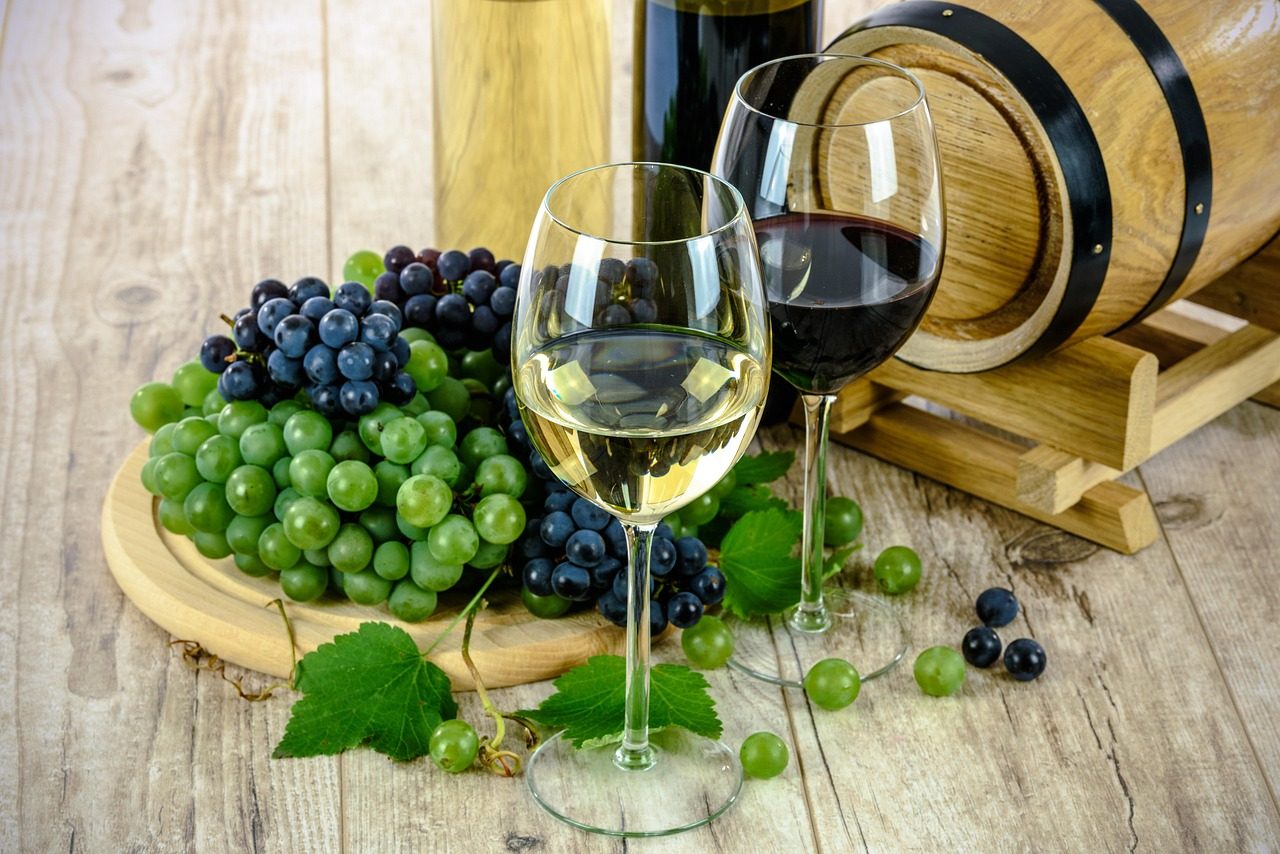
A new food gives you no easy shortcut. You cannot rely on the usual name, the familiar brand, or the quick verdict you have given a hundred times before. The first bite might be sour, smoky, slippery, or strangely sweet. Before you decide whether you like it, you have to pay attention. That small shift—from judging quickly to noticing closely—is useful for creative work. Tasting unfamiliar food is not about becoming a food expert. It is a practical exercise in gathering fresh detail, questioning first impressions, and finding language for something you do not yet understand. The food does not have to be exotic or expensive. A single new herb, a pickle from another region, or a fruit you have only seen in a photograph can do the job. Because you have no routine around it, you pay closer attention to what is actually there.
Choose one item you have never eaten. It could be a fruit from a market, a condiment from a different cuisine, a vegetable you have passed by, a spice blend, a fermented food, a street snack, or a drink. Keep it simple and safe. Read ingredients if you have allergies. The point is unfamiliarity, not danger. Put away your phone. Sit somewhere with decent light. Look at the food before tasting. Notice color, shape, shine, and roughness. This is not decoration; it is the raw material your work needs. If the first taste is unpleasant, stay with it for one more small bite. Dislike is useful too; it gives you a strong reaction to describe instead of a vague one.
Then taste slowly. Take a small bite and let it sit. Ask plain questions: What is the first taste? What comes after? Is it sharp, salty, bitter, sweet, sour, or something else? How does the texture change? Is it soft, springy, gritty, crisp, creamy, dry? Does the smell change as you chew? Does it make you want more or less? What does it remind you of—not the fancy comparison, but the real one? A school lunch, a holiday table, a garden after rain, a grocery store you visited as a child. Write down five details you would not have guessed from looking. Use concrete words. Avoid “delicious” and “weird” at first. Those words close the door too quickly. Replace them with details: “sharp vinegar smell,” “cool, slippery center,” “brown butter aftertaste,” “small crunch at the edge.”
The creative value comes next. Take one of those details and use it in your work. If you are a designer, let texture guide a layout. If you are a writer, use the smell or aftertaste as a description for a character or place. If you make music, translate the food’s changes—sharp start, soft middle, long finish—into volume, rhythm, or tone. If you are planning a campaign, borrow the structure of the taste: surprise first, comfort later, or a slow build to a strong finish. You do not need a literal connection. The exercise works because it gives you a specific, unusual starting point instead of the usual blank page.
This practice also helps when you are stuck because it interrupts habit. Most creative ruts are not empty; they are full of the same references, the same first ideas, the same shortcuts. An unfamiliar taste does not solve the problem for you. It gives you a small, controlled surprise. You have to compare it to what you know. You have to revise your first reaction. You have to notice detail before meaning. That sequence is useful in any project: look first, describe clearly, then decide what it could become.
Keep a simple record. A notebook page with the food, three smells, three textures, three memories, and one sentence you liked is enough. Over time, you build a bank of odd details that do not sound like everyone else’s. You also train yourself to stay with confusion for a few minutes longer. That is often where better ideas begin. Taste something unfamiliar this week. Do not make it a performance or a challenge. Make it a short, focused appointment with your own attention. The next time you sit down to make something, you will have more to draw from than the usual set of words and images.
Articles