Digital or Paper: Choosing the Best Medium for Our Words

The question of whether to commit our thoughts, work, and memories to digital screens or physical paper is a defining dilemma of our age. It is not merely a practical choice between tools but a deeper consideration of how we interact with information, how we learn, and what we value in our increasingly hybrid world. While the digital realm offers undeniable efficiency and scale, paper provides a tangible, focused intimacy that technology often struggles to replicate. Ultimately, the answer is not a universal mandate but a contextual one, dependent on the task, the individual, and the desired outcome.
The advantages of the digital format are vast and transformative. Its capacity for storage is essentially infinite, condensing entire libraries into a device that fits in a pocket. This accessibility is revolutionary, allowing instant retrieval of documents from anywhere with an internet connection, fostering collaboration across continents in real time. The environmental argument, while complex, leans digital when considering the reduction in physical transportation and the potential for paperless systems. Furthermore, digital tools offer powerful functionalities—searchable text, editable documents, and multimedia integration—that static paper cannot match. For drafting a novel, managing a complex project, or sharing information widely, digital platforms are not just convenient; they are indispensable engines of modern productivity and connection.
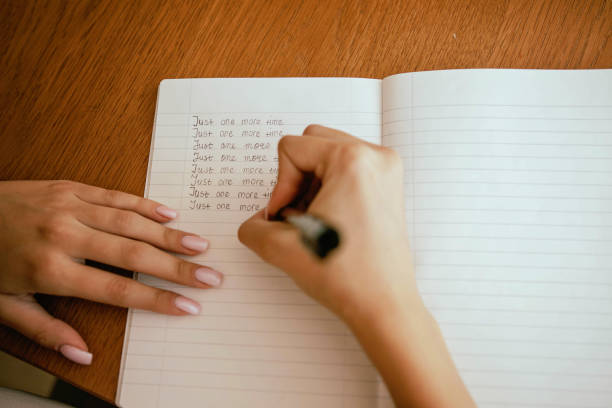
Conversely, paper holds a persistent, almost primal appeal. Studies in cognitive science suggest that the physical act of writing by hand engages the brain differently than typing, leading to improved memory retention and deeper comprehension. The simplicity of a notebook is also its strength: free from notifications, multitasking temptations, and the glare of a backlight, it offers a sanctuary for focused thought. Many find that brainstorming, sketching ideas, or journaling feels more authentic and fluid on paper, as if the connection between mind and hand is more direct. There is also an emotional and sensory dimension to paper—the weight of a book, the smell of its pages, the visual geography of annotated margins—that creates a lasting personal artifact, something digital files, for all their utility, often fail to become.
Therefore, the most pragmatic approach is to reject a binary choice and instead adopt a strategic hybrid model, leveraging the strengths of each medium for specific purposes. Use digital tools for tasks that demand efficiency, collaboration, and scale: communicating, storing final documents, analyzing data, and accessing vast information resources. Simultaneously, reserve paper for activities that benefit from deep focus, creative exploration, and personal reflection: taking lecture notes, reading complex texts, planning projects, or keeping a personal journal. This intentional division allows one to harness the speed and power of technology while preserving the cognitive and contemplative benefits of analog methods.
In the end, the debate between digital and paper is less about technological supremacy and more about human needs. It is a question of whether the moment calls for the network or the sanctuary, the cloud or the keystone. As we navigate an overwhelming digital landscape, the tactile grounding of paper can provide a necessary counterbalance, reminding us that some thoughts deserve to be slow, some records deserve to be physical, and some connections to information are profoundly human. The ideal is not to choose one over the other permanently, but to cultivate the wisdom to know which medium serves our immediate purpose—and our humanity—best.