
Take a Walk Outside to Break Through Creative Blocks
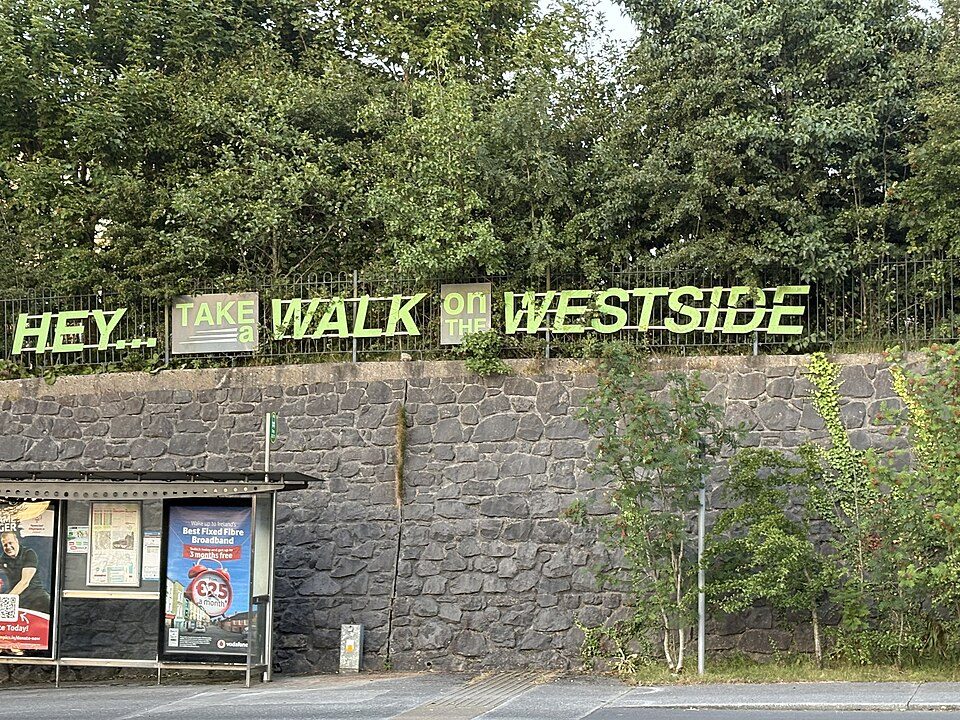
When a project stalls, the usual response is to sit tighter, stare harder at the screen, and wait for the right idea to arrive. More often than not, that approach makes the problem feel heavier. A better move is to leave the desk, step outside, and walk. The change is simple enough to dismiss, but it works because it interrupts the loop that keeps you circling the same few thoughts. A walk outside gives your mind new material, changes your pace, and creates enough distance from the problem for a useful idea to surface.
The first benefit is a change of scene. A room you know well becomes invisible after a while. The same wall, the same chair, the same stack of notes all signal the same kind of thinking. Outside, there is movement and variety: a tree shifting in the wind, a dog pulling at a leash, a delivery truck backing up, a new storefront, a patch of flowers in a crack. None of it is directly about your project, and that is exactly why it helps. Fresh details give your mind something to work with besides the stuck thought. You may not notice a connection in the moment, but a random sight or sound can loosen an idea that had been fixed in place.
Walking also changes the way you work through a problem. Sitting at a desk often encourages narrow focus. You check the same sentence, the same sketch, the same plan, and every pass makes the flaw more obvious and the solution less visible. A walk is different. Your body settles into a rhythm, and your mind can wander without completely checking out. That wandering is useful. It lets you turn the problem over from different angles. You might start thinking about a difficult client and then, somewhere between two corners, realize the real issue is the schedule, not the design. The answer was there, but the desk kept you too close to see it.
A walk outside also gives you a reliable way to reset when frustration builds. Creative work is full of small failures: the paragraph that will not hold, the drawing that looks wrong, the plan that collapses after one phone call. Sitting with frustration rarely improves it. Getting up and moving changes the physical situation, and that change can be enough to lower the temperature. By the time you return, the problem may still be hard, but it no longer feels personal. You can make the next small decision instead of trying to solve everything at once.
There is also something useful about walking without a screen. A phone can turn a walk into another desk. If you spend the whole time answering messages, you get the exercise but miss the room to think. Try leaving the phone in your pocket or, better, leave it behind for ten minutes. Let the walk be a little boring. Boredom is often the doorway to a new thought. When there is nothing to check, your mind starts making its own connections. You might remember an old idea that fits, notice a pattern in your work, or simply come back with a clearer sense of what to do next.
The walk does not need to be long or scenic. A loop around the block, a path through a park, a few minutes along a quiet street, or a stroll to get coffee can all do the job. What matters is that you go outside, move at an easy pace, and let the project sit in the background. Do not force an answer. If you feel stuck, name the problem once, then set it aside. Notice what is around you. By the time you return, you may have the idea you were waiting for. Even if you do not, you will likely sit down with more patience and a better angle on the work.
The point is not that every walk produces a breakthrough. The point is that walking outside gives creativity a better chance. It changes what you see, how you think, and how you feel about the problem. For a creative block, the next step is often not another hour at the desk. It is a walk outside.
Articles