
How Cooking Without a Recipe Unlocks Creative Thinking
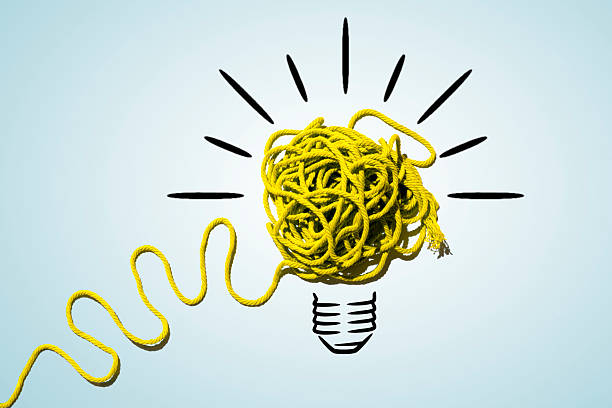
The most reliable way to kill a creative spark is to wait for the perfect moment, the ideal materials, and the guarantee of success. Many people convince themselves that they cannot pursue a creative project because they lack the right training, the proper tools, or a clear blueprint to follow. This self-imposed pressure turns every attempt into a high-stakes gamble, and the fear of failure freezes the mind. The cure for this paralysis is deceptively simple: pick a low-stakes project where the cost of a mistake is almost zero, and where the only rule is that you have to rely on your own instincts. Cooking without a recipe is one of the best low-stakes projects you can start today to rebuild your creative confidence and train your brain to think on its feet.
When you cook from a recipe, you are essentially following instructions designed by someone else. Your job is to replicate an outcome. There is nothing wrong with learning that way, but it does not exercise the part of your brain that generates original combinations, adapts to constraints, or solves problems mid-process. Cooking without a recipe forces you to become your own chef, designer, and improviser. You open the fridge and see a half-empty jar of olives, a block of feta cheese, some wilted spinach, and a leftover chicken thigh. A recipe-driven cook would close the door and order takeout because there is no clear match for any known dish. A low-stakes improviser sees a puzzle and a playground. What happens if you chop the olives, crumble the feta, and sauté the spinach with garlic? You might end up with a strange, salty, delicious scramble. You might also end up with something that tastes like a mistake. Either way, you have forced your brain to make connections, to test a hypothesis, and to accept that the outcome does not define your worth.
The reason this matters for creativity is that most creative breakthroughs do not come from a single flash of genius. They come from a process of rapid, messy experimentation. The creative class thrives on what is sometimes called divergent thinking: the ability to generate many possible solutions to a single problem. Cooking without a recipe is a perfect training ground for divergent thinking because it presents an endless series of micro-problems. The dish is too dry. What can you add? A splash of lemon juice? A spoonful of yogurt? A drizzle of olive oil? Each choice is a tiny creative decision with immediate feedback. You taste, you adjust, and you move on. Over time, this rapid cycle of hypothesis, test, and evaluation builds mental muscle. You learn to trust your senses, to pivot when something does not work, and to combine ingredients in ways that surprise you. That same mental flexibility transfers directly to writing, painting, designing, or any other creative field.
Another key benefit of cooking without a recipe is that it strips away the fear of judgment. When you cook for yourself, the only critic who matters is your own appetite. The stakes are laughably low: if the meal is terrible, you eat a bowl of cereal instead. You lose fifteen minutes and a few dollars’ worth of ingredients. Compare that to the emotional cost of starting a serious art project or a new business idea, where failure can feel like a public, permanent mark against your ability. Low-stakes projects like this lower the barrier to entry so much that you cannot help but start. And starting is often the hardest part of any creative endeavor. Once you have the momentum of a small action, the next step becomes easier.
This approach also teaches you to work with constraints, which is a powerful creativity booster. When you cook without a recipe, you are limited by what is already in your kitchen. You cannot run to the store for a specific spice or a perfect cut of meat. You must make do with what you have. This forces lateral thinking: can you substitute lemon juice for vinegar? Can you use a skillet instead of a grill? Can you turn leftover rice into a crispy cake by pan-frying it with an egg? The constraints become creative fuel rather than obstacles. Professional creators often impose artificial constraints on themselves for the same reason—limitations force the mind to find new pathways.
Finally, cooking without a recipe reconnects you with the joy of making something for its own sake. In a world obsessed with productivity and finished products, the process itself becomes the reward. You are not trying to become a Michelin-star chef. You are not aiming for Instagram-worthy plating. You are simply playing with food, with heat, with texture, with flavor. That sense of play is the root of all genuine creativity. When you stop worrying about the outcome and start enjoying the moment, ideas flow more freely. And because the project is low-stakes, you can repeat it every day, building a habit of creative experimentation.
So tonight, open your fridge, grab whatever looks interesting, and do not look up a single recipe. Trust your nose, your tongue, and your curiosity. The worst that can happen is a bad dinner. The best that can happen is a rediscovery of your own creative power.
Articles