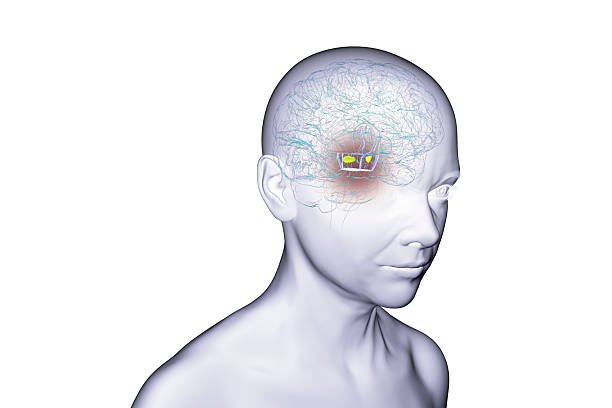
Swim or Cycle Rhythmically: How Steady Movement Boosts Creativity

When an idea stalls, the worst place to sit is often still. A blank page, a glowing screen, a room with the door closed—these can make the same few thoughts circle without landing anywhere useful. Movement changes the input. But not just any movement. A hard sprint, a chaotic game, or a crowded gym class can add noise. What helps more is a steady, repeating motion: swimming lap after lap, or cycling at an even cadence. The rhythm does something simple and practical. It gives the body a job that is clear enough to follow and easy enough to keep, while leaving enough room for ideas to rearrange themselves.
Swimming and cycling are especially good because they are rhythmic by design. In a pool, the pattern is built from breath, stroke, turn, push, glide. One arm reaches, the other follows. Your head turns for air, then returns to the water. The black line on the bottom of the pool becomes a ruler for the lap. On a bike, the pattern is the pedal stroke: push, pull, lift, repeat. A cadence of eighty or ninety turns per minute creates a pulse you can feel in your legs and hear in the chain. Neither activity asks for complex decisions. You can choose a pace and then let the pace carry you. That lack of decision-making is the point. When you are not constantly choosing what to do next, your attention opens up.
Creativity often gets stuck because you hold too tightly to the first answer. You rehearse the same opening line, the same layout, the same solution. Rhythmic movement interrupts that grip. The repeated motion becomes a metronome. Your thoughts can drift, but they also have a structure to return to. This is different from sitting and staring. In the pool, an idea may appear during a set of laps, disappear when you turn at the wall, then come back stronger on the next length. On a bike, a problem that felt sharp at your desk may soften after twenty minutes of steady pedaling. You are not forcing an answer. You are giving the answer time to surface while your body handles the beat.
The setting matters too. Swimming removes most distractions. Water covers your ears. Your vision is limited to the lane. The phone is far away. Cycling outdoors can be more open, but a familiar route or an indoor trainer can create the same narrow channel. The key is not scenery. It is repetition. A quiet road with a steady cadence works as well as a pool with lane ropes. The fewer surprises around you, the more your thoughts can move without being knocked off course.
Pace is another practical detail. Go too hard and you have no room for ideas; every bit of attention goes to breathing and muscle. Go too easy and you may become sleepy or bored in a way that turns into distraction. The sweet spot is a pace you could hold for thirty to sixty minutes without debating whether to stop. In swimming, that might be a smooth freestyle set with short rests. In cycling, it might be a flat route or a trainer session at a steady resistance. You want enough effort to feel alive, but not so much that the body takes over the whole show.
Timing can help. Many people find that a rhythmic session works best before a creative task, not after. Twenty minutes of laps or pedaling can clear the clutter that built up overnight or during a meeting. It also works as a mid-project reset. If you are stuck at noon, a short swim or ride can break the loop. The goal is to put your body in a steady pattern so your thinking can become less rigid.
There is no need to make this complicated. Pick one activity and one rhythm. Swim one length at a time, counting strokes or breaths. Cycle at a cadence that feels even, not frantic. Keep the route or the lane simple. Let the repeat happen. After a few sessions, you may notice that ideas arrive not because you chased them, but because you finally stopped blocking them. The body moves in circles or in strokes, and your thinking, given a steady beat, finds a way to move too.
Articles