

Plant Your Ideas: How Gardening Metaphors Cultivate Creative Breakthroughs
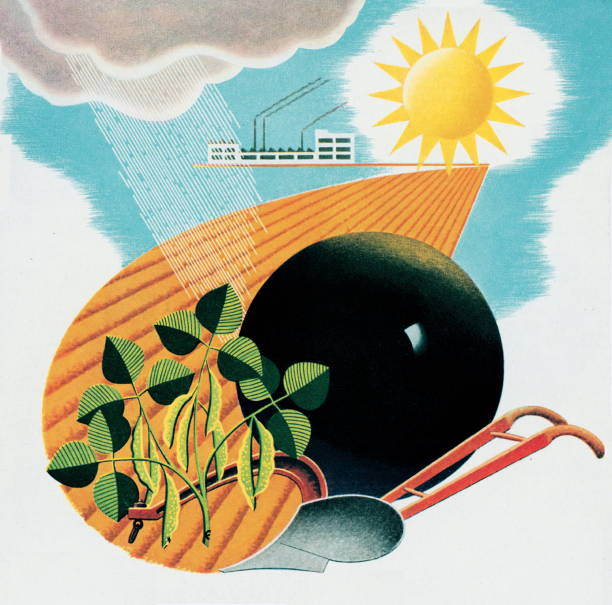
Every creative person knows the frustration of staring at a blank page or canvas, willing a breakthrough into existence. The harder you push, the more the ideas seem to hide. This is where analogical and metaphorical thinking becomes a secret tool that the most prolific artists, writers, and designers use without even realizing it. By shifting your mental framework from a factory floor to a garden, you can transform the way you generate and develop ideas.
Consider the difference between manufacturing and gardening. A factory forces raw materials through a fixed process to produce identical outputs. A garden, by contrast, works with living things that have their own rhythms. You cannot demand a seed to sprout in a day any more than you can force a song to write itself in an hour. When you treat your creative projects like a garden, you stop expecting immediate, perfect results and start accepting that growth takes time, patience, and the right conditions.
The first lesson from the garden is about preparation. A gardener does not just toss seeds onto dry, rocky soil. They till the earth, add compost, and ensure the ground is nourished. In creative work, this means setting up your environment before you start. Clear your desk, gather reference materials, listen to music that sets the right mood, or take a walk to let your mind settle. This preparatory phase is not procrastination; it is building the soil. Analogical thinking helps you recognize that the most important creative moments often happen before you ever touch the tool.
Once the seeds are in the ground, the gardener must resist the urge to dig them up and check on their progress every hour. This is the analogy for the early stages of an idea. When you first capture a rough concept in a notebook or a voice memo, it is fragile. Over-scrutinizing it too soon can kill it. The metaphor of germination teaches you to give that raw idea space to breathe. Write it down, then walk away. Let it sit overnight or for several days. When you return, the idea will have grown roots, and you will see connections that were invisible before.
Watering and sunlight represent the consistent, gentle attention your ideas need. A gardener waters a little each day rather than flooding the plot once a week. In creative practice, this translates to small, regular inputs. Read one poem before you start painting. Listen to a podcast about your topic while commuting. Jot down three observations after lunch. These small acts keep your creative soil moist without overwhelming the delicate shoots. The metaphor makes this habit feel less like a chore and more like a natural rhythm.
The garden also demands pruning. Not every shoot will bear fruit. Some plants will grow too thick, stealing nutrients from others. In your creative work, this is the painful but necessary act of cutting scenes, deleting paragraphs, or abandoning a color palette that does not fit. The gardening analogy reframes pruning not as failure but as stewardship. You are not losing something; you are redirecting energy toward what matters most. The most successful novelists often throw away entire chapters. They do this because they trust the metaphor: a well-pruned vine produces bigger, sweeter grapes.
Seasons matter too. Not every day is harvest season. Some periods are for planting, others for weeding, and still others for letting the ground lie fallow. Creative people who ignore this natural cycle burn out. When you feel stuck, instead of forcing yourself to produce, ask what season your creative garden is in. Maybe you need a fallow period where you do nothing but consume great art and take long walks. That dormant season is not wasted time. It is the ground resting and rebuilding its fertility for next spring.
Finally, a garden teaches you about cross-pollination. A diverse garden attracts more bees and yields more resilient plants. Likewise, mixing disparate ideas from different fields can lead to unexpected breakthroughs. When you think metaphorically, you borrow structures from one domain and apply them to another. A gardener does not just think about plants; they think about soil pH, weather patterns, insect behavior, and seasonal calendars. By analogy, a creative person can draw from cooking, sports, architecture, or even plumbing to solve a design problem. The metaphor of cross-pollination encourages you to bring in outside knowledge deliberately.
The real power of analogical and metaphorical thinking is that it bypasses the inner critic. When you frame your creative process as gardening, you stop judging yourself for not being productive enough. Instead of “I should have written ten pages today,” you think, “My ideas need another day to germinate.” This small shift reduces anxiety and opens the door to genuine creativity. You become the caretaker of your imagination, not the foreman.
Next time you sit down to create, picture your workspace as a plot of earth. What seeds have you planted? Which need more sunlight? Where could you prune? By adopting this simple metaphor, you align your creative rhythm with nature’s wisdom. And nature has been producing wonders far longer than any studio or agency ever has.
Articles