Mastering Your Space: A Guide to Organizing Hobby Supplies
The joyful chaos of a creative pursuit often comes with a tangible byproduct: an accumulation of supplies that can quickly outgrow their designated corner. Managing space and storage for hobby materials is not merely a logistical task but a foundational step in preserving both your sanity and your passion. The journey from cluttered frustration to an efficient, inspiring workspace hinges on a mindful process of assessment, strategic organization, and a commitment to maintenance. By viewing your storage not as a limitation but as a framework for creativity, you can transform your relationship with your hobby.
The first, and perhaps most crucial, step is to conduct a thorough and honest assessment of what you truly own and use. This involves gathering every last skein of yarn, every pot of paint, and every scrap of fabric into one central location. As you sort, categorize items into clear groups—by medium, by project type, or by frequency of use. This process is as much about purging as it is about sorting. Be ruthless in evaluating what serves your current interests. Donate unused materials that are in good condition, responsibly discard dried-up or broken items, and let go of the guilt associated with past project ambitions that have faded. This curation is liberating; it creates physical and mental space, ensuring that what remains are the tools that genuinely fuel your creativity.
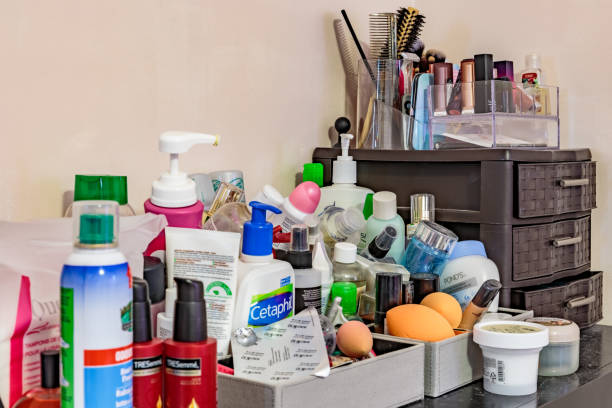
With a refined collection in hand, the next phase is to analyze your available space and select appropriate storage solutions. Effective storage operates on the principle of visibility and accessibility. Clear, stackable plastic bins are invaluable for bulky or lesser-used items, allowing you to see contents at a glance. For smaller, frequently used tools like brushes, needles, or carving tools, implement drawer organizers or portable caddies that can travel with you. Walls and vertical space are often underutilized frontiers. Pegboards with customizable hooks and shelves can hold everything from rulers to spools of ribbon, turning tools into a display and freeing precious desk or floor space. For crafters with vast collections of paper, fabric, or vinyl, vertical filing systems or specialized racks prevent bending and make selection a breeze.
Ultimately, the most elegant storage system will fail without the final, ongoing component: intentional habit. This means adopting a “one-touch” mentality, where items are returned to their designated home immediately after use. It involves labeling every bin and shelf clearly, so there is no ambiguity about where something belongs, both for you and for anyone else who might share the space. Furthermore, integrate regular mini-assessments into your creative routine. At the end of a project or season, take ten minutes to re-shelve stray items and consider if your system is still working. As your hobby evolves, so too should your storage, adapting to new tools and techniques.
Managing hobby supplies is, therefore, a continuous cycle of refinement. It begins with the courageous act of letting go, continues through the thoughtful implementation of tailored solutions, and is sustained by simple, consistent habits. A well-organized space does more than just hold your materials; it reduces the friction between the impulse to create and the act of creation itself. It invites you to sit down and begin, knowing that every tool has its place and every project is within reach. In mastering your storage, you are not just tidying a room—you are building a sanctuary for your imagination, where the only limit is your creativity, not your ability to find the scissors.
Articles