The Optimal Session Length: Balancing Focus and Fatigue

The question of how long a session should last is deceptively simple, yet the answer is nuanced and highly dependent on context. Whether we are discussing a therapy appointment, a corporate training workshop, a student’s study block, or a creative work sprint, the ideal duration is a delicate balance between depth of engagement and the limits of human attention and energy. There is no universal magic number, but rather a set of guiding principles rooted in cognitive science and practical efficacy that can help tailor session length to its intended purpose.
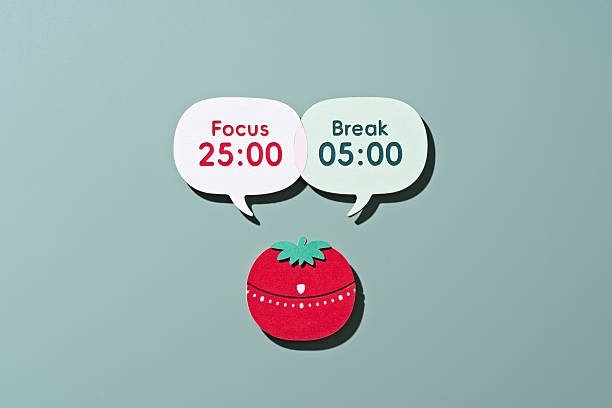
At the heart of the matter is the human attention span. Research in cognitive psychology consistently shows that the brain’s ability to maintain focused, undivided attention on a single task is limited. For intensive learning or high-concentration work, the widely cited Pomodoro Technique suggests intervals of 25 minutes followed by short breaks, acknowledging that sustained focus often wanes after this point. For less demanding cognitive tasks, the window may extend to 50 or 90 minutes, which aligns with the natural ultradian rhythms of the body—cycles of peak alertness followed by a need for rest. Therefore, as a general rule, any session requiring active participation and mental processing should rarely exceed 90 minutes without a structured intermission. Pushing beyond this frontier often leads to diminishing returns, where fatigue sets in, retention plummets, and engagement evaporates.
However, the purpose of the session is the ultimate dictator of its length. A deep psychotherapy session, for instance, often requires 45 to 60 minutes to allow for rapport building, exploration of issues, and therapeutic work. Shortening this could prevent meaningful progress, while extending it could become emotionally overwhelming for the client. Conversely, a daily team stand-up meeting in a business setting is purposefully kept to 15 minutes to enforce brevity and focus on immediate priorities. A university lecture, balancing content delivery with student absorption, traditionally fits into a 50- to 75-minute block. The key is to match the time allotted to the complexity of the objectives. Simple information sharing can be brief; complex skill acquisition, strategic planning, or emotional processing demands a more generous and protected timeframe.
Furthermore, the nature of the participants cannot be ignored. Session length must be adapted for different audiences. Young children, with their rapidly developing but shorter attention spans, thrive with sessions broken into 15- to 20-minute chunks of varied activities. Adult learners in professional development may tolerate longer stretches, but their time is often scarce, making efficiency paramount. In a corporate environment, respecting participants’ time by strictly adhering to a scheduled end point is often as important as the content itself, fostering goodwill and ensuring future engagement.
Ultimately, the most effective approach is often one of intentional segmentation. Rather than envisioning a session as a single, monolithic block of time, it is more productive to design it as a journey with a clear beginning, middle, and end, incorporating shifts in activity or pace. A 90-minute workshop, for example, might be structured as an introduction, a short lecture, a group discussion, an individual exercise, and a recap. These varied modalities reset the attention clock and cater to different learning styles. Crucially, the session length should also allow for a deliberate conclusion—time to summarize key takeaways, outline next steps, and provide closure. A session that ends abruptly because it ran out of time is a session that fails to solidify its value.
In conclusion, determining the optimal session length is an exercise in intentional design, not arbitrary selection. It requires a thoughtful consideration of cognitive limits, a clear alignment with desired outcomes, and an empathy for the participants’ capacity. While the sweet spot for focused work often lies between 25 and 90 minutes, the golden rule is that a session should be long enough to achieve its purpose meaningfully, but not so long that it sacrifices the very focus and energy required to do so. By prioritizing quality of engagement over sheer quantity of time, we create sessions that are not only more productive but also more respectful and human.
Articles