
Making a One-Page Comic: The Lowest Stakes, Highest Return Creative Experiment
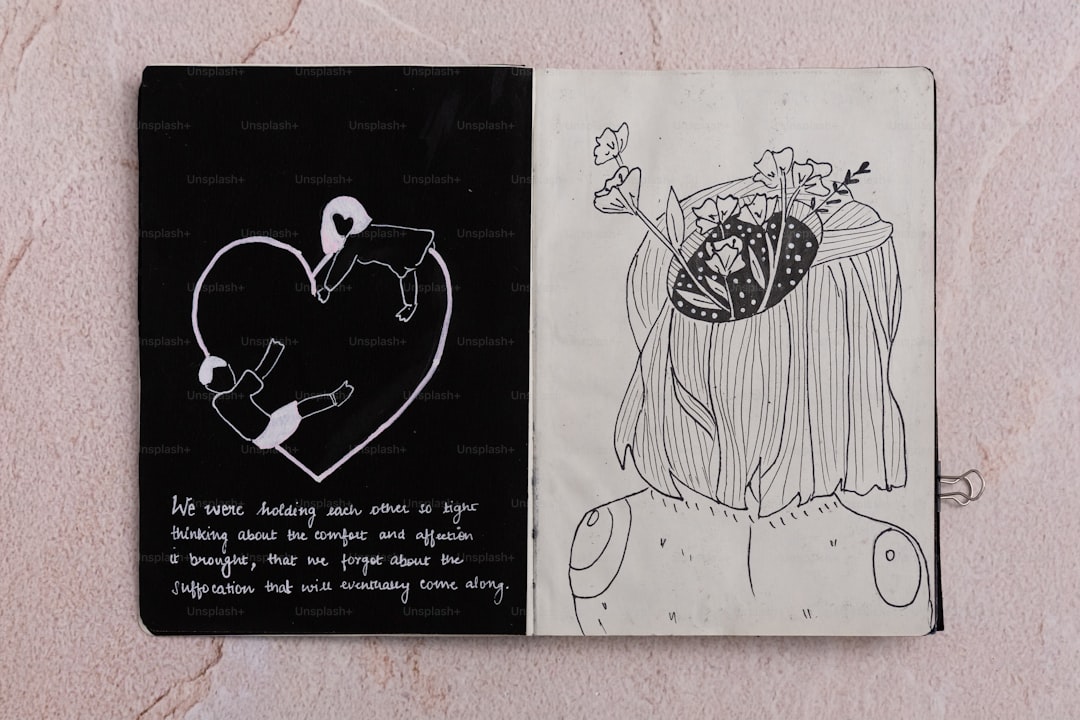
If you want to shake loose a stuck imagination, there is no better sandbox than a single sheet of paper folded into four panels. No Kickstarter campaign, no gallery show, no screenplay. Just you, a pen, and a story that has to fit inside a nine-by-twelve-inch rectangle. This is the low-stakes project that forces your brain to solve problems with limited resources—the exact kind of constraint that breeds unexpected ideas.
The beauty of a one-page comic is its built-in finish line. You are not committing to a graphic novel or even a six-page zine. You are committing to one page, front and back if you want, but even that is optional. The pressure is off before you start. That absence of pressure is what allows real creative risk. When the cost of failure is nothing more than the price of a sheet of printer paper, you are free to try something weird, clumsy, or outright bad. And bad is often the first step toward something that works.
Start by choosing a format. Fold a standard letter-size sheet of paper in half, then in half again, to get four roughly equal panels. Or keep it as a single long horizontal strip if that feels more natural. The shape of the page becomes the first constraint you work against. Panels that are too small force you to simplify your drawings. Panels that are too large tempt you into overcomplicating the action. Let the page tell you what it wants to hold.
Next, pick a subject that feels insignificant. That is the secret weapon of low-stakes projects. Do not try to write a story about the meaning of life, or the death of a loved one, or a profound social commentary. Save that for your novel. For the one-page comic, write about why your cat always knocks the salt shaker off the counter. Or a three-second argument over the last slice of pizza. Or the moment you realize you forgot your keys and are locked out of your apartment. Trivial events are the perfect raw material because they carry no emotional weight. You can exaggerate, distort, or abandon them without guilt. And in that playful distortion, you often stumble onto a visual gag or a narrative structure that you would never have discovered by trying to be serious.
The next constraint is word count. A one-page comic has no room for dialogue balloons that look like paragraphs. You get maybe fifty words total, including sound effects like “BOOM” or “SCREECH.“ This is a writing exercise in compression. Every unnecessary word is a panel you could have used for a more interesting image. Force yourself to tell the story through action and expression instead of on-the-nose explanation. If your character is angry, draw the squiggly vein on the forehead and the sweat drop flying off. Let the reader infer the emotion. That inferential leap is what makes comics feel alive.
Draw your panels in pencil first. It does not have to be good. Ugly drawings often have more personality than polished ones because they leave room for the reader’s imagination to fill in the gaps. A crude stick figure with a jagged mouth is instantly recognizable as annoyed. A more realistic drawing might be technically impressive but emotionally flat. The low-stakes project prioritizes communication over perfection. If you hate the first draft, you have lost exactly fifteen minutes of your life. That is the entire point.
Now ink it. If you have a Micron pen, fine. If you only have a ballpoint from the bottom of a junk drawer, that works too. The ink commits you to your decisions, which is a useful psychological trick. Once the lines are down, you cannot endlessly tweak. The comic is finished, even if it is flawed. That finality teaches you to let go of ideas and move on to the next one. Creative blockage is often just a fear of committing to a flawed outcome. Low-stakes projects like this are the antidote.
Show the finished page to one person. Not fifteen. Not the internet. One friend who will give you an honest, offhand reaction. They might laugh at the part you thought was boring, or they might say they didn’t understand the punchline. That feedback is gold, not because it tells you how to improve this particular comic, but because it teaches you something about how your brain connects ideas to an audience. Over five or six of these one-page experiments, you will start to notice patterns in what works and what flops. You will know which strokes of the pen surprise you, which jokes land, and which visual shortcuts feel effortless. That knowledge is transferable to any larger creative project.
The final step is to throw most of them away. Or tape them to your fridge for a week and then recycle them. The point was never to produce a masterpiece. The point was to practice the muscle of starting, finishing, and moving on. Every one-page comic you make is a small victory over the paralysis of the blank page. Do it once a week for a month and you will have four finished projects, none of them precious, all of them teaching you something about how you think. Low stakes, high curiosity. That is the recipe.