
How Wandering Without a Map Unlocks Creative Thinking
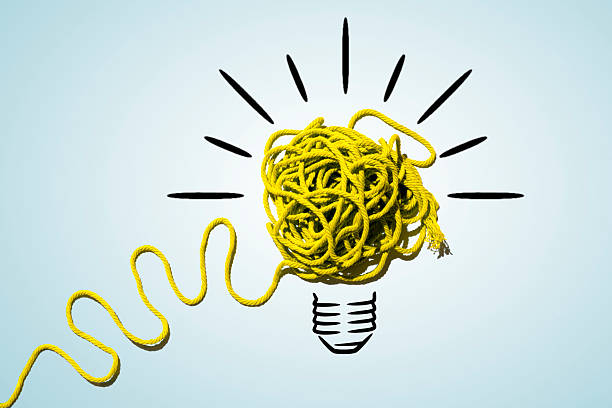
Most of us plan our trips down to the hour. We book hotels, reserve tables, map out routes, and check reviews for every café. We want to eliminate uncertainty. But uncertainty is exactly what your brain needs when you are trying to boost creativity. When you travel to a place where you do not speak the language, cannot read the street signs, and have no idea where you will eat dinner, you force your mind to operate in a completely different mode. That mode is fertile ground for fresh ideas.
Think about how your brain works in your normal environment. You wake up, walk the same hallway, drive the same roads, see the same faces. Your brain has built efficient shortcuts. It predicts what will happen next so it does not have to waste energy processing every detail. These shortcuts are useful for getting through the day, but they are poison for creativity. Creativity thrives on the unexpected. It needs raw data from the senses that does not fit into existing patterns. That is why traveling to an unfamiliar place can jolt your mind into a state of heightened perception.
The best way to break your mental ruts is to get thoroughly lost. Not in a dangerous way, but in a deliberate, curious way. Put away your phone’s map app. Turn off the data. Walk down a narrow alley because it looks interesting. Follow the sound of music or the smell of cooking. Let the city or landscape pull you along without a goal. This kind of aimless wandering activates a part of your brain that usually lies dormant during routine life. You start noticing small details: the texture of a wall, the way light falls on a cobblestone street, the rhythm of a foreign language drifting from a window. Your brain has no preloaded script for this scene, so it has to construct meaning from scratch. That construction process is essentially creative thinking.
When you finally find your way back—or when you collapse into a chair at a strange café—you have collected a bundle of raw impressions that your mind will start to rearrange. Later, back home, those impressions become the raw material for unexpected connections. A color combination you saw on a faded sign in Marrakech might inspire a new graphic design. The chaotic layout of a market in Bangkok might suggest a novel way to organize your workstation. The feeling of being disoriented and then finding a small moment of clarity might translate into the emotional arc of a short story. None of these connections would have happened if you had stuck to your itinerary.
There is also a social dimension to losing yourself in an unfamiliar place. When you cannot rely on your usual social scripts, you are forced to communicate differently. You gesture. You smile. You try to understand someone through context rather than words. This kind of cross-cultural improvisation stretches your ability to empathize and to see problems from multiple angles. Writers, designers, and entrepreneurs often report that their most creative breakthroughs came after a conversation with a stranger in a foreign city—a chance encounter that reframed a problem they had been stuck on for months.
You do not need to go to a remote jungle or a distant continent to get this effect. Unfamiliarity is relative. A designer from New York might get a similar jolt from spending a weekend in a rural village in Vermont, where the pace of life and the sensory inputs are completely different. A software developer in Tokyo might find the quiet streets of a small Portuguese fishing town disorienting in a productive way. The key is to seek places that break your established patterns—places where you do not know the shortcuts.
The discomfort of being lost is real. It can feel anxious, even frustrating. That is part of the point. Creativity does not emerge from comfort and ease. It emerges from tension, from the gap between what you expect and what actually happens. When you travel without a map, you deliberately create that tension. You give your brain a puzzle to solve: where am I, how do I get back, what does this place mean? That puzzle-solving energy does not disappear when you find your bearings. It lingers, making you more alert and more willing to explore possibilities in your work.
So the next time you plan a trip, resist the urge to over-organize. Leave a few days empty. Pick a destination where you know very little. Land there, take a deep breath, and then walk in a random direction. Let the unfamiliarity do its work. You might come back with more than souvenirs. You might come back with a fresh way of seeing.
Articles