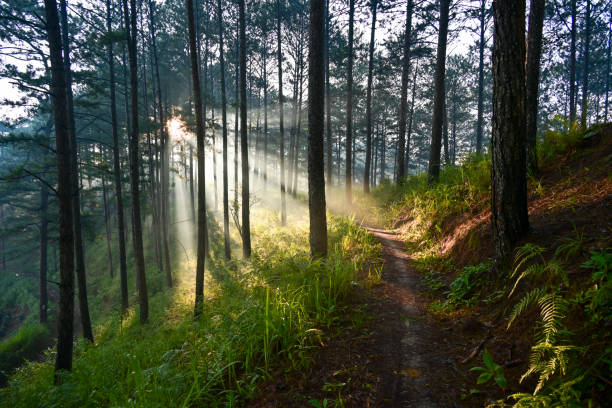
How Running a New Outdoor Route Can Spark Fresh Creative Ideas

Running the same loop every day trains your legs, but it also trains your eyes to stop seeing. The bakery sign, the cracked curb, the tree that leans over the fence—after a week, they become wallpaper. Creative work needs raw material, and raw material comes from what you notice. A new outdoor route is one of the simplest ways to refill the tank. It requires shoes, a door, and a decision to go somewhere you do not know by heart.
The key is novelty, but not chaos. You do not need to fly to another country. You need a route that breaks habit. Run your usual loop backward. Turn left where you always turn right. Start ten minutes earlier and see the street before the shops open. Pick a park entrance you have passed for years but never entered. Run to the next neighborhood and come back by a different street. These small changes make the familiar strange again. When the outside world is slightly unpredictable, you pay attention. You notice details because you cannot coast.
Outdoor running also changes the pace of input. In a car, the world is a blur. On a bike, you move too fast to catch a smell or a phrase. On foot, you get the city at human speed. You hear a screen door slam, a snippet of conversation, a dog barking behind a fence. You smell rain on hot asphalt, bread from a bakery, cut grass, diesel, jasmine. You feel the hill in your calves and the wind change as you cross a bridge. These are not abstractions. They are material. A designer can use the color of a weathered door. A writer can use the rhythm of a crossing signal. A musician can use the click of a chain against a pole. The run becomes research, and the research is specific.
The movement itself helps, too. When your body is busy, your thoughts are less clenched. You are not staring at a blank page or a cursor. You are breathing, dodging puddles, checking traffic. The problem you left on your desk may surface on its own, but it often arrives as a fragment rather than a full solution. That is enough. Carry a phone or a small notebook. If an idea comes, stop for twenty seconds and write one line. Do not try to solve everything mid-run. Capture the piece. “Blue awning, wet leaves, cash-only sign.“ “A character who runs the same route every day but never looks up.“ “A chorus that sounds like feet on gravel.“ Later, back at your desk, these fragments can be combined, cut, twisted, and used. Creativity is often not a lightning bolt. It is a pile of good scraps.
New routes also teach you to work with constraints. The bridge is closed. The trail is flooded. The hill is steeper than you expected. You adjust. You find another way. That is the same skill you need in a studio, a kitchen, a rehearsal room, or a workshop. You cannot always choose perfect conditions. You can choose to keep moving and notice what the conditions offer. A detour might lead you past a mural, a garden, a strange little shop, a view you would have missed. The detour becomes the best part.
To make this useful, keep it regular but not identical. Once a week, run somewhere new. It does not have to be far. It can be one street over. If you usually listen to music, leave one earbud out. If you always run fast, jog slowly and look around. After the run, spend five minutes writing down what you saw, heard, smelled, and felt. Use plain words. Be specific. Then use one detail before the day ends. Put it in a sketch, a paragraph, a headline, a melody, a meal, a plan.
The method is simple. New ground. Moving body. Sharp senses. Quick notes. Immediate use. You do not need to feel inspired before you leave. You need to leave, and let the route give you something you did not have when you started. The next creative idea may not arrive as a grand vision. It may arrive at mile two, under a tree you have never passed, while you are busy putting one foot in front of the other.
Articles