
How New Experiences Enhance Mental Well-Being
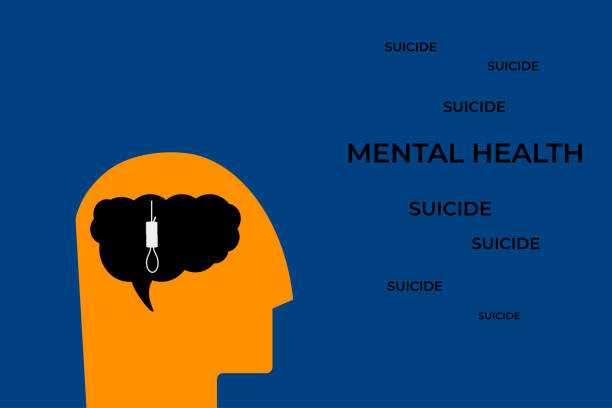
In the quiet rhythms of routine, the human mind can find comfort, but it can also stagnate. While stability provides a necessary foundation, it is the infusion of new experiences—whether grand adventures or subtle shifts in daily life—that acts as a powerful catalyst for improved mental health. Venturing beyond the familiar challenges the brain, builds resilience, and fosters a renewed sense of self, ultimately serving as a vital nutrient for psychological flourishing.
At a neurological level, new experiences are a workout for the brain. Engaging in novel activities stimulates the production of dopamine, the neurotransmitter associated with pleasure, motivation, and learning. This biochemical response not only elevates mood in the moment but also encourages further exploration, creating a positive feedback loop. Furthermore, novelty challenges the brain to form new neural connections, a process known as neuroplasticity. Learning a language, navigating an unfamiliar city, or even trying a new recipe forces the brain out of its well-worn pathways, enhancing cognitive flexibility. This mental agility is crucial for problem-solving and can help protect against cognitive decline, contributing to a sense of mental sharpness and vitality that underpins overall well-being.
Beyond the cellular, new experiences are potent antidotes to the stagnation that often accompanies poor mental health. Conditions like depression and anxiety can trap individuals in cycles of repetitive, negative thought patterns. A novel environment or activity disrupts this cognitive loop by demanding present-moment attention. When one is focused on mastering a pottery wheel, identifying a birdcall on a hike, or conversing in a new social setting, the mind has less capacity to ruminate on past troubles or future worries. This immersive engagement is a form of mindfulness, anchoring the individual in the here and now and providing a respite from the burdens of the internal narrative. The sense of accomplishment that follows, however small, can chip away at feelings of helplessness and rebuild a sense of agency.
Equally important is the role of new experiences in building psychological resilience and expanding self-concept. Facing manageable levels of uncertainty—such as traveling solo or starting a class—inevitably involves moments of discomfort or minor setbacks. Successfully navigating these challenges teaches the individual that they can cope with the unexpected, fostering a “growth mindset.“ This reinforced resilience becomes a portable skill, applicable to life’s inevitable difficulties. Moreover, new experiences allow people to discover latent talents, interests, and strengths that remain hidden within the confines of routine. A person who sees themselves only as an accountant may, through volunteering, uncover a capacity for mentorship, thereby enriching their identity. This expanded self-concept combats the rigidity that can diminish life satisfaction and promotes a more integrated and confident sense of self.
Finally, novel pursuits often serve as bridges to social connection, a cornerstone of mental health. Joining a hiking group, taking a cooking workshop, or attending a community lecture naturally connects individuals with like-minded people. These shared experiences provide fresh material for conversation, reduce social anxiety by providing a structured focus, and foster a sense of belonging. In a world where loneliness is increasingly prevalent, these new social threads can weave a stronger, more supportive network, providing both joy and a buffer against stress.
In essence, new experiences are not mere distractions but essential engagements that keep the psyche dynamic and robust. They rewire the brain, interrupt harmful thought cycles, forge resilience, and connect us more deeply to both ourselves and others. While comfort zones offer refuge, it is in the deliberate, curious step beyond them that individuals often find the psychological tools for growth, healing, and a more vibrant mental life. The pursuit of novelty, therefore, is far from frivolous; it is an act of nourishment for the mind.
Articles