The Critical Distinction: Deliberation Versus Indecisiveness

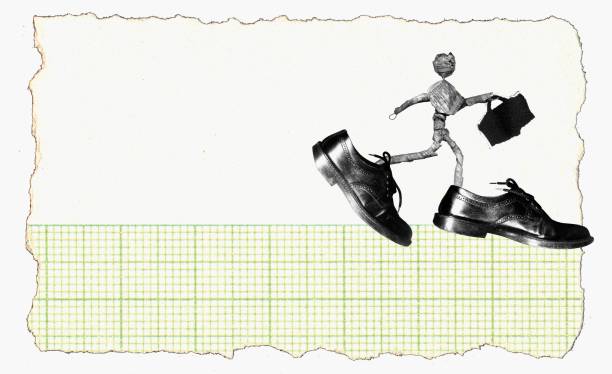
At first glance, the process of careful consideration and the state of being indecisive can appear frustratingly similar. Both involve a pause before action, a weighing of options, and a resistance to impulsive conclusions. However, to conflate the two is to mistake a purposeful journey for being perpetually lost. The fundamental difference lies not in the time taken, but in the trajectory and outcome of the mental process. One is a disciplined method of navigation; the other is a state of paralytic drift.
Deliberation is an active, engaged, and goal-oriented process. It is the conscious application of reason and values to a complex choice. When someone is deliberating, they are gathering necessary information, projecting potential outcomes, and consulting their core principles. This process, while sometimes lengthy, has a direction. The individual is moving toward a decision, even if the path is circuitous. Think of a chess player studying the board; each moment of stillness is filled with analysis, prediction, and strategic calculation. The delay is not born from fear, but from respect for the complexity of the situation and a commitment to a better result. Deliberation acknowledges that some choices carry weight and deserve cognitive effort. It is a mark of maturity, often leading to more resilient, confident, and sustainable decisions because the underlying rationale is understood.
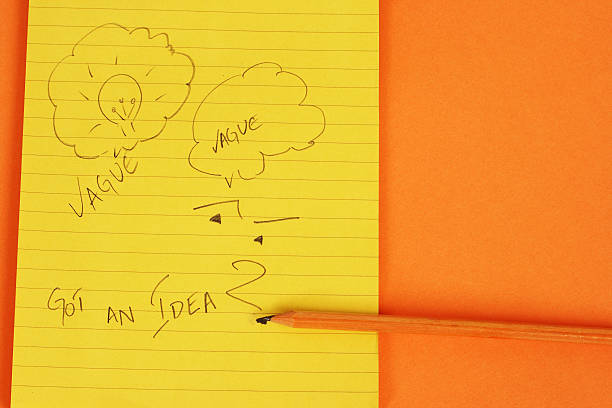
Indecisiveness, in stark contrast, is passive and circular. It is less about moving toward a resolution and more about being stuck in a loop of anxiety and doubt. The indecisive mind is often plagued by a fear of negative consequences—a preoccupation with what could go wrong rather than what could go right. This state is characterized by a lack of clear criteria for the decision, or an inability to trust one’s own judgment even after information is gathered. The energy is expended not in productive analysis, but in worrying about the analysis itself. Unlike deliberation, which narrows options through evaluation, indecisiveness often sees options multiply as every potential risk and “what if” scenario spawns new branches of worry. The result is not a carefully chosen path, but exhaustion and stagnation, frequently culminating in a decision made by default, by external pressure, or not at all.
The emotional landscapes of the two states further illuminate their divergence. Deliberation, while potentially stressful, is often accompanied by a sense of agency and quiet confidence. There is an underlying narrative: “This is important, so I am taking the time to get it right.“ Indecisiveness, however, is steeped in distress—feelings of helplessness, anxiety about judgment from others, and a deep-seated fear of regret. The internal monologue is one of self-doubt: “No matter what I choose, it will be wrong.“ This emotional toll is a key indicator; deliberation may be effortful, but indecisiveness is draining.
Ultimately, the clearest differentiator is in the outcome and what follows. Deliberation concludes with a decision that, right or wrong, the individual can own and defend. It provides a learning foundation; even if the result is unfavorable, the deliberative person can review their process, understand where their reasoning succeeded or failed, and apply that knowledge to future choices. Indecisiveness either avoids closure or arrives at it through fatigue, leaving behind a residue of uncertainty and self-recrimination. There is no solid ground from which to learn, only a shaky feeling that fate, rather than agency, was in control.
In a world that often mistakes speed for efficiency, it is crucial to champion the virtue of deliberate thought and distinguish it from the paralysis of indecisiveness. One is the application of wisdom to complexity, a necessary pause in the journey of a capable mind. The other is the surrender to fear, a prison of one’s own making. Recognizing this distinction allows us to grant ourselves the grace to think deeply when it counts, while developing the tools to break free when we are merely spinning our wheels. The difference, therefore, is everything—it is the difference between navigating and being adrift.
Articles