How a Simple Stretch Break Can Reset a Stuck Creative Session
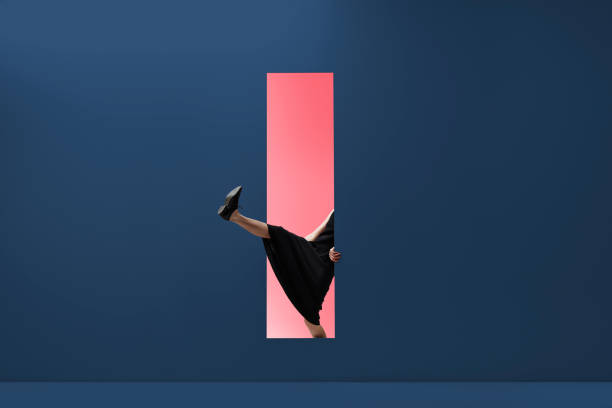
Creative work often begins with sitting still, but sitting still is not always where the best ideas come from. A designer stares at a screen and moves the same shape around for the twentieth time. A writer reads the same paragraph until the words blur. A photographer crouches over a laptop and forgets that the body is part of the work. In those moments, the problem is not always a lack of talent or ideas. Sometimes the body has become as fixed as the draft. A short stretching routine can interrupt that fixed position and give the creative session a fresh start.
The appeal of stretching is that it requires almost nothing. No special equipment, no long class, no perfect room. You can stand beside a desk, push back a chair, and spend five minutes moving through a few simple positions. The point is not to become flexible or to perform a perfect pose. The point is to change the shape of the body, loosen the places that have tightened, and give your attention something physical to follow. When the body moves, the session changes. A new posture can lead to a new thought.
A useful stretch break begins with the neck and shoulders, because that is where many desk sessions collect tension. Turn the head slowly from side to side, then roll the shoulders forward and back. Lift the arms overhead and reach toward one side, then the other. Let the movement be easy rather than forced. After a few breaths, fold forward from the hips and let the arms hang. If that feels too strong, bend the knees. The goal is to feel a gentle change, not to push through pain. From there, step into a low lunge on each side, then come back to standing. A simple yoga pose such as cat-cow on a mat can also work well, but the routine does not need to be formal. The important part is that the body leaves its usual chair shape and moves in a few different directions.
Stretching works as a creative reset because it gives the mind a break without abandoning the project. Scrolling through a phone often fills the pause with more noise. A stretch break is quieter. It asks you to breathe, balance, and notice small adjustments. That modest shift can be enough to release a stuck thought. When you return to the desk, the page looks a little less heavy. You may notice a detail you missed, or a sentence may finish itself. The break does not solve the work, but it changes the conditions around the work.
The timing matters less than the habit. Some people like a stretch break before starting a difficult task, when the body is still stiff from sleep or commuting. Others prefer to stretch halfway through a long session, when the first burst of attention has worn off. A five-minute routine after a meeting can also help clear the mental clutter before the next piece of work. The routine can be repeated in the afternoon without taking much time from the day. What matters is that it becomes a reliable move rather than a last resort.
It also helps to keep the routine simple enough to repeat. A long, ambitious sequence is easy to skip. A short set of movements is easy to keep. Stand up, reach, bend, breathe, and return. If you want to practice yoga, choose a few poses you know well and move through them slowly. If you prefer plain stretching, keep the same handful of movements and let them become familiar. Familiarity is not boredom here. It is a signal to the body that a reset is available whenever the work becomes tight.
Creative sessions are not only mental events. They happen in rooms, chairs, bodies, and hours. When the body is locked in one position, the work can begin to feel locked too. A simple stretch break loosens the body and, in a small but practical way, loosens the session. It gives you a way to step away without leaving the work behind. Five minutes of movement can be enough to return with a clearer desk, a calmer pace, and a better chance of finding the next idea.
Articles