Digital vs. Physical Boards: Which Truly Fuels Creativity?
In the quest to organize thoughts, brainstorm ideas, and bring projects to life, the humble board—a surface for pinning, writing, and connecting—remains a cornerstone of the creative process. Today, we face a choice that our predecessors did not: the tactile world of cork, whiteboard, and paper versus the infinite canvas of digital apps. The debate between digital and physical boards is not merely about convenience; it’s about which environment most effectively sparks and sustains our creative fire. The truth is, there is no single victor. The “better” tool depends entirely on the phase of your creative work and the kind of thinking you need to do.
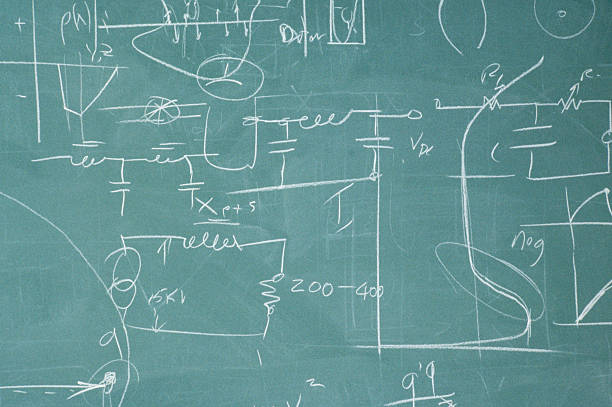
Let’s start with the undeniable power of the physical board. There is a raw, immediate quality to grabbing a marker, tearing off a sticky note, or pinning an image to cork that digital interfaces struggle to replicate. This tangibility engages more of our senses. The sound of the marker, the texture of the paper, the act of physically moving across a room to step back and view your work—all of these create a different kind of cognitive engagement. For the messy, early stages of ideation, where speed and freedom are paramount, a physical board removes all barriers. There are no loading times, no login screens, and no temptation to fiddle with fonts or colors. It is pure, unfiltered thought made visible. This environment is exceptionally good for collaborative, in-person sessions where the energy in the room is part of the fuel. The board becomes a shared, communal space where ideas can be shouted out and captured instantly, building a palpable sense of momentum and collective ownership that is hard to manufacture digitally.
However, physical boards have clear limitations. They are fixed in one place. If you are not in the room, you cannot see it. They have a finite size; once covered, you must erase to make room. They are static, making it difficult to reorganize vast amounts of information without starting over. Most crucially, they cannot be searched, linked, or easily transformed into a shareable plan. This is where digital boards ascend. Tools like Miro, FigJam, or even sophisticated note-taking apps offer a boundless, permanent, and connected workspace. For the creative who needs to synthesize scattered ideas into a structured plan, the digital board is indispensable. You can drag and drop elements endlessly, create clear hierarchies, link to reference documents or websites directly, and invite collaborators from across the globe to contribute asynchronously. The ability to zoom out to see the grand vision and zoom in to tweak a tiny detail is a superpower for the refinement stage of a project. Digital boards turn a brainstorm into a living, evolving blueprint.
The choice, therefore, is less about which tool is objectively superior and more about understanding their strengths in your creative workflow. Think of them as different gears in the same machine. Many find that starting physical is the key to breakthrough ideas. The tactile, low-fidelity nature gives permission for bad ideas, wild connections, and unstructured play—the very soil from which originality grows. Once those seeds are planted, the digital board becomes the greenhouse where they are nurtured, organized, and grown into something viable. You can photograph your physical board and use it as the background for your digital one, transferring the energy of the initial burst into a workable format.
Ultimately, the best system is likely a hybrid one. Use the physical board for the explosive, intuitive, and collaborative genesis of ideas. Embrace its mess and its energy. Then, employ the digital board to curate, connect, and execute on those ideas, leveraging its power for order, permanence, and collaboration across distance and time. The goal is not to pledge allegiance to one medium but to master both, allowing each to do what it does best. By thoughtfully choosing your canvas, you respect the different needs of the creative mind: the need for boundless, sensory play and the need for structured, actionable clarity. In the end, the best board is the one that disappears, leaving only the flow of your ideas front and center.
Articles