Deep Sleep, Better Ideas: How Quality Rest Fuels Creative Work
Creativity rarely arrives on command. It shows up when you have energy, a clear head, and a store of raw material to work with. Deep sleep is where much of that raw material gets sorted. While you are asleep, your body repairs itself and your brain reviews the day. It files away facts, practices skills, and links distant pieces of experience. For a writer, designer, musician, or coder, that sorting is not a luxury. It is part of the work. If you treat sleep as whatever is left after deadlines, you starve the very process that helps you make unexpected connections.
Deep sleep tends to happen in the first half of the night. That fact matters. A late night that pushes bedtime back by two hours can cut into the most restorative sleep. Sleeping in the next morning may help you feel less tired, but it does not fully replace what you lost. This is why an all-nighter can feel productive for a few hours and then leave you with flat, obvious ideas the next day. You may finish the task, but you pay for it in creative sharpness. Prioritizing deep, quality sleep means protecting the early part of the night, not just aiming for a total number of hours.
The simplest way to protect deep sleep is to keep a steady schedule. Go to bed and wake up at about the same time every day, including weekends. Your body clock works best with rhythm. When your bedtime shifts wildly, your sleep becomes lighter and more broken. Set a bedtime alarm, not only a morning alarm. Treat it as a real appointment. An hour before bed, dim the lights and step away from intense work. Put your phone on the other side of the room. Do something low-key: wash dishes, stretch, read paper pages, or lay out clothes for tomorrow. You are not chasing a mood. You are giving your body a clear signal that the day is closing.
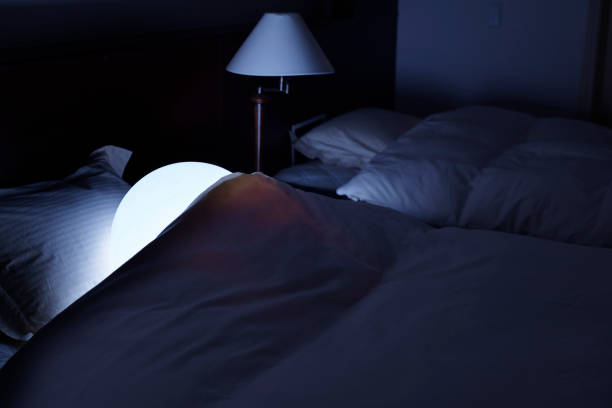
Your room matters more than you think. Cool, dark, and quiet are the basics. Blackout curtains, an eye mask, or earplugs can make a difference if your street is loud or your neighbor leaves lights on. Keep the room cool enough that you want a blanket. If you use your phone as an alarm, turn off notifications and place it face down. A small fan or white noise machine can smooth out sudden sounds. These changes are not dramatic, but they remove the small interruptions that pull you out of deep sleep without waking you fully.
What you consume in the evening also shapes your night. Caffeine after midday can stay in your system for hours, even if you do not feel it. Alcohol may make you fall asleep faster, but it often fragments sleep and reduces deep sleep. Heavy meals close to bedtime can cause discomfort. Finish eating a few hours before bed. If you are truly hungry, keep it small. Regular exercise helps you sleep more deeply, but intense workouts too close to bedtime can leave you wired. Morning or afternoon movement works better for most people. Get outside in the morning light when you can. That helps set your body clock so you feel sleepy at the right time.
Creative minds often race at night. Keep a notebook by the bed. Write down ideas, tasks, and worries. This simple act tells your brain that the thought is stored and does not need to keep circling. If you wake in the middle of the night, do not check the clock. Checking time usually adds stress. Breathe slowly and let your body settle. If you are still awake after twenty minutes, get up. Go to a dim room and read something boring on paper. Return to bed when you feel sleepy. Do not turn on bright lights or scroll through feeds.
Naps can help, but they must be short. Ten to twenty minutes in the early afternoon can take the edge off tiredness. Long or late naps steal from the deep sleep you need at night. If you nap, set an alarm. When you plan your creative work, put demanding idea generation in the morning after a good night. Save routine tasks for the late-afternoon dip. Protect your bedtime like a meeting. The creative world often glorifies late nights and broken sleep, but real output comes from a sustainable rhythm. Deep sleep is when your brain saves, sorts, and connects. Skipping it is like working all day without saving your files. Try one change tonight: a steady bedtime, a darker room, or no screens in bed. Better ideas often arrive after a full night, not during a sleepless one.
Articles