
Why Taking the Wrong Turn in a Foreign City Is Good for Your Work
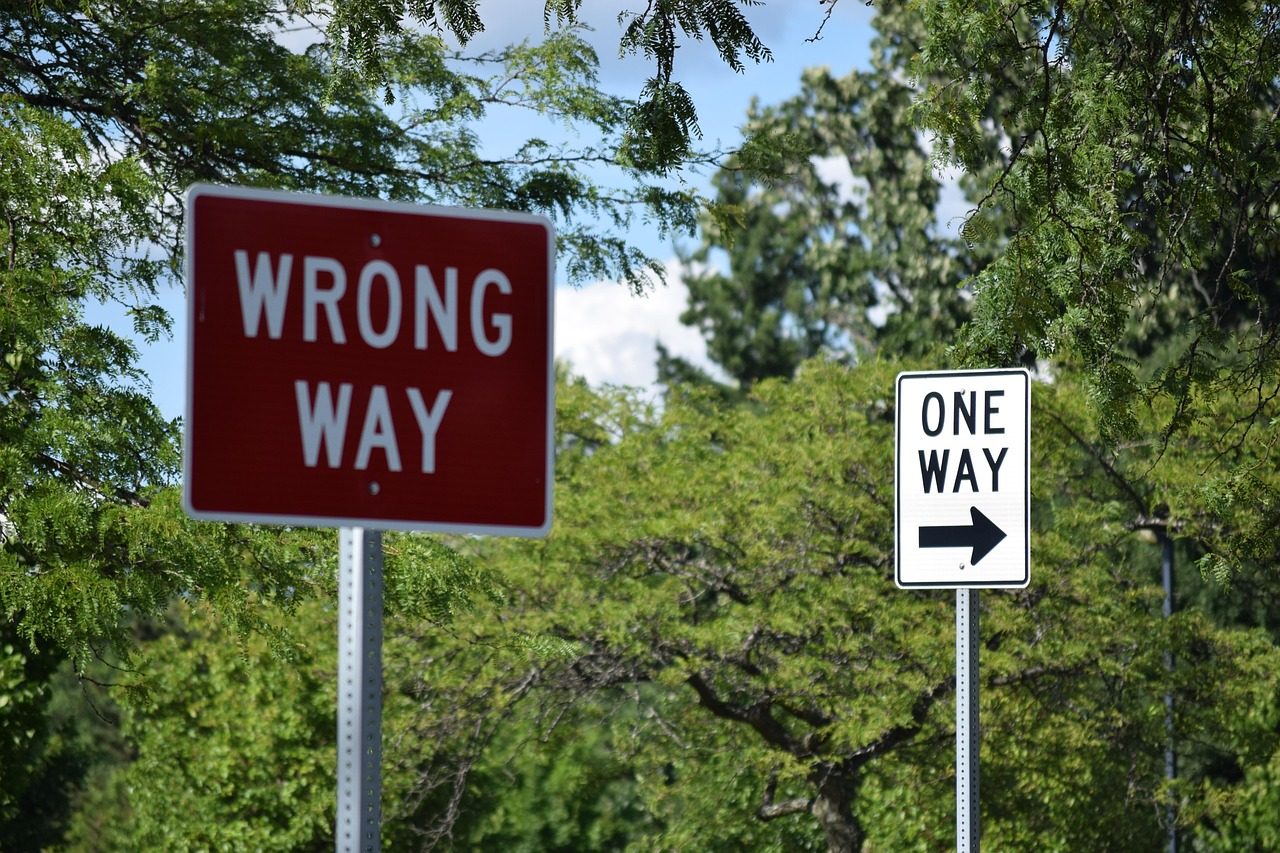
The best wrong turn you can take is in a city whose language you do not speak. At home, you move through routines so familiar that you stop seeing them. The same coffee shop, same route, same grocery aisles. Your work follows the same grooves. A new place breaks the pattern not because it is magical but because it is inconvenient. The street names mean nothing. The bus schedule is a puzzle. The restaurant has no menu you recognize. You have to look, ask, guess, and correct. That forced attention is the raw material of better ideas.
When you travel somewhere unfamiliar, you cannot rely on memory to fill in the gaps. You notice details because they are the only way forward. A painted tile above a doorway tells you which block you are on. A hand gesture from a stranger tells you the train is delayed. These small signals matter because you have no background knowledge to dismiss them. At home, you filter out most of what you pass; in a new city, the filter has holes. That is useful for creative work, which depends on connecting things that usually sit apart.
Getting lost also teaches you to solve problems with what is available. You wanted to visit a museum. The museum is closed. The rain is heavy. Your phone battery is low. You find a covered market instead. Inside, you watch a vendor arrange fruit into impossible stacks. You hear a song you do not know. You eat something you cannot name. Later, when you return to your desk, you are not empty. You have new images, new sounds, new ways of arranging things. The project that felt stuck may not solve itself, but you have more pieces to try.
Unfamiliar places are especially good at breaking the habit of assuming you already know how things work. In a foreign city, the ordinary becomes a question. How do you pay for the bus? What does the green light mean? But asking the questions is the point. Creative work often fails because we stop asking. We accept the first explanation, the usual format, the expected style. Travel reminds you that there are other arrangements. Once you see that, your own rules look less permanent.
You do not need a passport stamp to get this benefit, though distance helps. The key is unfamiliarity, not luxury. A neighborhood two towns over can work if you go without a plan. The trick is to make the familiar strange. Eat where you cannot read the sign. Walk down the street that looks less interesting. Ask a local for a recommendation and take it, even if it is not what you wanted. These choices are small, but they put you in a position to notice.
There is a practical rhythm to using travel for better work. Before you go, leave room for nothing. If every hour is booked, you are just moving your old schedule to a new backdrop. Pick one or two anchors, then let the rest be open. Carry a small notebook or use your phone. Write down what you see, not what you feel. A red door, a stack of tires, a man selling three kinds of honey. These notes are supplies. When you return, do not try to turn the trip into a lesson immediately. Let the details sit. Then, when you are working on a problem, flip through them. One image may match a need you did not know you had.
The wrong turn is not a cure for every blocked project. It will not write the report for you. But it can shake loose the assumption that the current path is the only one. A foreign city does not care about your deadlines or your usual way of doing things. It simply presents another set of facts. You adapt. You find your way. That experience of finding your way, without the map you thought you needed, is the same move creative work requires. You start with what is in front of you. You make a guess. You take a step. Then you take another. The next idea may come from a street corner you never meant to visit.
Articles