Why Old-Time Radio Shows Can Spark Your Creativity
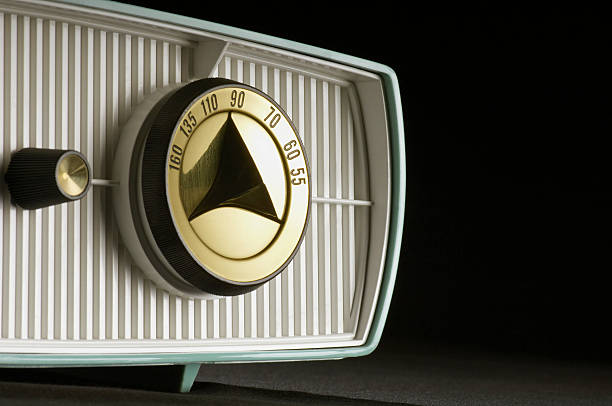
Some of the most powerful creative experiences happen when you are forced to build a world with nothing but your ears. That is exactly what happens when you listen to an old-time radio show. Before television filled every home, families gathered around a wooden box and let their minds paint the pictures. A creaking door, a crackling fire, a far-off train whistle—each sound was a brushstroke in an invisible canvas. For anyone looking to boost creativity, consuming this forgotten media format is like taking your brain to the gym for a workout it does not get anymore.
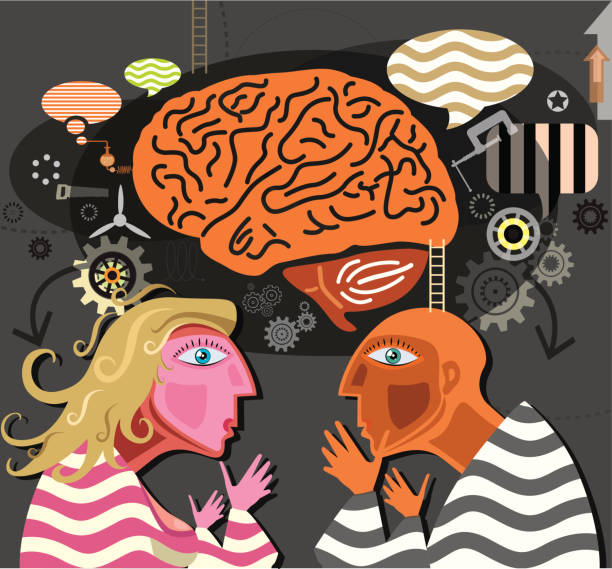
Modern visual media does almost all the work for you. When you watch a movie, every detail is handed over: the exact color of a character’s coat, the angle of a shadow, the expression on a face. You sit back and absorb. Radio, on the other hand, demands participation. As you hear footsteps approaching, you decide whether they belong to a tall man in a trench coat or a nervous woman in heels. The villain’s voice is just a voice, but in your mind you give him a scar on his cheek or a twitch in his eye. That act of co-creation is where creativity lives. It is active, not passive. And it is a skill you can sharpen with practice.
Listen to Orson Welles’ famous 1938 broadcast of “War of the Worlds.” Hundreds of thousands of people panicked because their minds filled in the gaps with such vivid detail that they believed Martians were actually landing in New Jersey. The show used only sound—news bulletins, terrified announcers, the hum of a strange machine—but it created a reality so convincing that it caused a national crisis. That is the raw power of audio to spark the imagination. As a creative person, you can tap directly into that power. Instead of watching a thriller on Netflix, close your eyes and listen to an episode of “Suspense” or “The Shadow.” You will find your mind generating images faster and richer than anything a screen could show you, because the images are yours alone.
What makes old-time radio unique compared to modern podcasts is the density of its sound design. A typical thirty-minute episode from the golden age of radio might contain dozens of sound effects, a full orchestral score, and multiple voice actors playing distinct roles. The sound effects were often improvised using clever physical objects: coconut shells for horse hooves, a sheet of metal for thunder, a leather glove for a slap. That inventive spirit rubs off on you. When you hear a spring door sound and instantly see a darkened hallway in your head, you are exercising the same mental muscle that writers use to describe a scene or that designers use to visualize a space.
For writers especially, radio shows are a masterclass in economy. With no visual crutch, every line of dialogue must reveal character and advance the plot. Every sound effect has to earn its place. Listen to an episode of “The Lone Ranger” and notice how the clatter of hooves and the cry of “Hi-yo, Silver!” instantly establish mood and setting. A novelist can learn from that pacing. A musician can hear how the background score shifts from tension to relief. A painter can study how sound cues evoke color and texture. The format strips storytelling down to its core: what do you need to hear to believe this world exists?
You do not need a vintage radio to dive in. The Internet Archive has thousands of these shows free to stream. Start with a classic: “The Mercury Theatre on the Air,” “Suspense,” “Gunsmoke,” or “The Whistler.” Put on headphones, turn off the lights, and commit to listening without multitasking. Let the sounds wash over you. Pay attention to what your mind builds. At first it might feel strange, like an old muscle waking up. But after a few episodes you will notice that you start seeing pictures more clearly, hearing nuances in everyday conversations, and even dreaming in more vivid colors.
This is not about nostalgia. It is about deliberately choosing a media format that refuses to hand everything to you. In a world of constant visual saturation, giving your eyes a break and making your ears do the heavy lifting is a direct way to break mental ruts. You are not just consuming a story; you are building it from the ground up. That is the kind of active, playful, generative thinking that fuels every creative endeavor. So the next time you feel stuck, try turning off the screen and turning up the static. Let some voices from the 1940s lead you into a place only you can see.
Articles