
Why An Airport Terminal Can Jumpstart Your Creativity
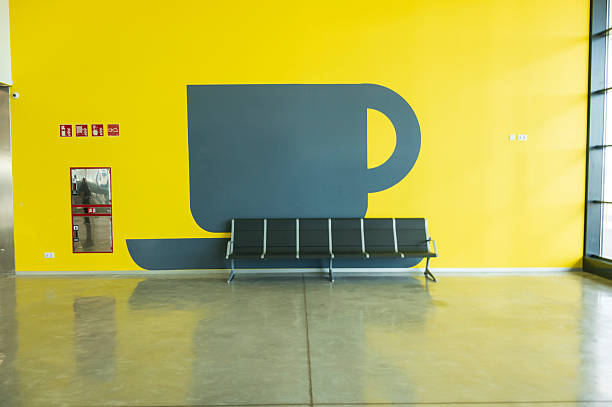
You have likely heard the advice to leave your usual desk and go work somewhere else. A coffee shop, a library, a park bench. But there is one space most creative people overlook entirely, even though it is designed to be temporary, transitional, and full of strangers: the airport terminal. This is not about waiting for a flight. It is about intentionally choosing the terminal as your workspace for a few hours, even when you have no plane to catch. The reason it works is not mystical. It is about how your brain responds to a particular kind of pressure and permission.
The airport terminal is a place where nobody expects you to be productive. That alone is liberating. When you sit in an office or a home studio, there is an underlying weight to produce something good. The space itself carries the memory of failed attempts, tight deadlines, and self-judgment. A terminal carries none of that. You are a ghost in the system. No one knows you. No one expects you to finish a chapter or solve a design problem. The low stakes make your brain less defensive. Ideas that would normally be dismissed as silly or impractical get a chance to surface because the cost of being wrong is zero.
There is also the matter of sensory white noise. A terminal is loud and chaotic, but in a predictable rhythm. Announcements, rolling suitcases, muffled conversations, the distant hum of jet engines. This is not the kind of silence you get in a library, which can amplify your inner critic. Instead, the ambient noise forces your brain to work a little harder to focus. Studies—though we are avoiding jargon, so call it simple observation—show that a moderate level of background noise can actually nudge your thinking toward more abstract, creative solutions compared to dead silence. Your prefrontal cortex does not get to overthink every word. It has to let some signals through on instinct.
Another factor is the transient nature of everyone around you. You are surrounded by hundreds of people who are leaving or arriving. They have no connection to you. This anonymity can be a powerful reset button for the ego. You are not your reputation in that moment. You are not the person who won that award or failed that project. You are just another traveler with a laptop and a half-empty cup of coffee. This absence of identity frees you to experiment. You can write a terrible first draft without caring. You can sketch something ugly. You can try a new approach without the fear of being seen as inconsistent.
The physical layout of an airport also works in your favor. There are no comfortable, permanent spots designed for long-term work. The chairs are hard, the tables are small, and the lighting is either too bright or too dim. This discomfort is useful. It discourages the kind of lazy, passive thinking you do when you are too comfortable. Your body knows this is not a place to settle in. So your mind stays alert. You hack through problems faster because you want to get out of there. The pressure of an implied deadline—your gate, your boarding time, or simply the fact that you are trespassing on a space meant for travelers—creates a mild urgency. Urgency narrows focus and kills the tendency to daydream endlessly without output.
There is also the visual novelty. Every airport terminal has a slightly different mix of architecture, signage, retail, and people. Your brain is constantly processing new faces, new languages, new clothing styles, new luggage designs. This input, even if you do not consciously register it, seeds your subconscious with raw material. A logo on a kiosk might trigger a color palette you would never have considered. The way a tired business traveler adjusts her tie could spark a character detail. A child running through the gate area with a stuffed animal might remind you of a forgotten childhood memory that unlocks a metaphor. The environment is feeding you without you having to do any research.
And finally, there is the permission to leave at any moment. Unlike a rented studio or a dedicated coworking desk, you have no investment in this space. You are not paying for it. You did not travel far to get there. If the idea does not come, you can pack up and walk to a different gate or leave the airport entirely. That lack of sunk cost keeps your relationship with the work light. You do not force it. You float. And floating is often the state where the best ideas arrive, because you are not gripping the wheel too tightly.
Next time you feel stuck, consider spending an afternoon at your local airport. You do not need a ticket to go past security—many airports have public areas before the gates that still carry the same atmosphere. Buy a coffee, find a corner near a window, and let the terminal work its strange, mundane magic. It is not about traveling. It is about giving your brain a brand new space that asks nothing from you except that you pass through.