Try Something You’re Bad At: A Cure for Imposter Syndrome
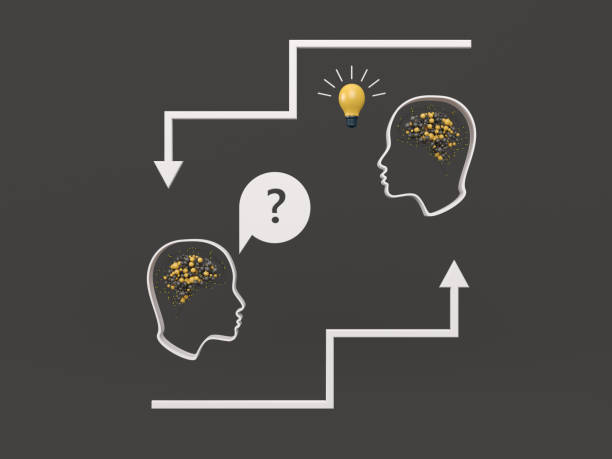
Every creative person has felt the quiet dread of being exposed as a fraud. You look at your portfolio, you hear the praise, and yet there is a voice that whispers: any minute now they will discover you don’t really know what you’re doing. That voice is imposter syndrome, and it is a creativity killer. It makes you play small, avoid risk, and stick to the same tired methods because at least those methods work. The usual advice—affirmations, therapy, talking it out—can help, but they often fail to reach the root of the problem. The root is a deep attachment to competence. You have built your identity around being good at something. The cure, then, is to deliberately throw yourself into something you are abysmally, laughably bad at.
Imagine you are a graphic designer who has won awards. You know color theory, typography, software shortcuts. Now imagine you sign up for a weekend welding class. You have never held a torch. Your first bead is a splattery mess. The instructor walks past and doesn’t even comment—it’s that bad. For the first hour you feel a familiar panic: I am not a welder. I have no business touching this equipment. But here is the trick—that panic is the same emotional texture as imposter syndrome, except it is grounded in reality. You really are bad at welding. And that is fine. Nobody expects you to be good. You paid for the class to be bad. So you relax. You lean into the clumsiness. You watch the metal puddle and think, “I have no idea what I’m doing,” and you laugh instead of cringe.
What happened in that hour is subtle and powerful. You gave yourself permission to be a beginner. For a creative person who constantly feels pressure to perform, permission to be incompetent is like breathing fresh air after years in a sealed room. When you try something you are bad at, the stakes vanish. There is no portfolio to protect, no reputation to uphold, no audience to impress. You are free to experiment, to fail, to make hideous mistakes. And in that freedom, your brain starts to rewire its relationship with failure.
The imposter voice thrives on comparison. It says, “You should be as good as that person.” When you take up a new activity—pottery, coding, salsa dancing, birdwatching—you are suddenly surrounded by people who are better. But they are supposed to be better because they have practiced longer. The comparison becomes fair. You are not a fraud for being a novice; you are a novice because you are a novice. That simple truth defangs the imposter narrative. It shifts your focus from “Am I good enough?” to “Am I learning?” You begin to measure progress by how many lumps of clay you threw away, not by how many likes you got.
This practice also forces you to confront the myth of the natural genius. Most creatives secretly believe that real talent should come effortlessly. When you try something hard—like playing a musical instrument at age forty—you discover that even simple chord changes take weeks of stupid repetition. Your fingers refuse to cooperate. Your ear cannot hear the pitch. This is not because you are a fraud; this is because learning is messy. No one escapes that mess. When you internalize that truth in a new domain, you start to apply it to your primary creative work. You remember that every great writer, every brilliant designer, every innovative filmmaker started as someone who sucked at it. The only difference is they kept sucking long enough to get better.
There is also a cognitive benefit. Engaging in a radically unfamiliar activity forces your brain to make new connections. When you are a novice, you do not have automatic scripts. You have to pay full attention. That hyper-vigilant state—what some researchers call beginner’s mind—is the same state that generates creative breakthroughs. You notice details an expert would ignore. You try clumsy solutions that might accidentally work. You stumble into ideas that years of expertise would have ruled out. By actively choosing incompetence, you prime your brain for novelty.
To make this work, you must pick something unrelated to your professional identity. A writer should not try poetry; a poet should not try flash fiction. Go far afield. Woodworking. Kite-flying. Fermentation. Breakdancing. The more foreign, the better. And commit to doing it badly for at least a few sessions. The goal is not to become good—that would defeat the purpose. The goal is to sit in the discomfort of not knowing, to let the imposter voice scream without arguing back, and to realize that the world does not end when you are mediocre.
Over time, this act of deliberate incompetence builds a kind of immunity. The next time you face a creative challenge and the old fear creeps in—I don’t deserve this, I’m going to be found out—you will remember the afternoon you tried to weld and ended up with a pile of burnt metal. You survived that. You laughed at yourself. And you learned that being a beginner is not shameful; it is the only way to grow. So go ahead. Pick something you are terrible at. Let yourself be bad. It might be the most creative thing you do all year.
Articles