
Transforming Criticism into Collaborative Growth
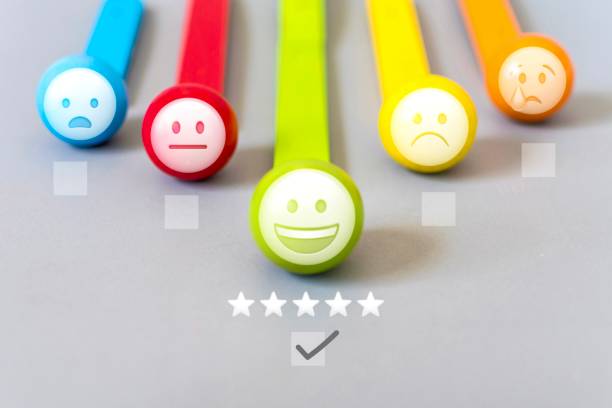
Receiving negative or unconstructive feedback on a shared project is an almost universal professional experience, a moment where personal investment collides with external perspective, often delivered imperfectly. My approach to handling such feedback is rooted not in defensiveness but in a deliberate process of separation, analysis, and intentional engagement. I view these moments not as attacks but as critical, albeit poorly packaged, data points that can reveal blind spots, strengthen collaboration, and ultimately lead to a more robust final outcome. The initial, visceral reaction is human and inevitable; the key lies in managing that reaction to create space for productive next steps.
The first and most crucial step occurs internally, the moment the feedback is received. I consciously institute a pause, creating a buffer between stimulus and response. This allows me to acknowledge my initial emotional reaction—be it frustration, disappointment, or defensiveness—without letting it dictate my reply. I remind myself that the work is shared, and therefore distinct from my personal worth. This mental separation is vital. I then make a conscious effort to depersonalize the comments, shifting my mindset to view the feedback as pertaining to the work product itself, a project with its own goals and requirements, rather than a reflection of my capabilities or effort. This foundational calmness is essential for moving the situation from a potential conflict to a collaborative problem-solving session.
With composure established, I engage in a process of analytical triage. I carefully separate the content of the feedback from its delivery. Even harshly worded criticism may contain a kernel of valuable truth, while politely phrased comments can sometimes be unhelpful. I ask myself: What is the core concern being raised, stripped of its negative tone? Is there an underlying issue about the project’s objectives, usability, alignment with audience, or coherence that I may have missed? I actively look for patterns; if one person offers a critique, it may be subjective, but if similar sentiments emerge from multiple reviewers, it likely indicates a genuine area for improvement. This analytical phase transforms raw, often emotional, input into discrete, examinable points.
Armed with this analysis, I then initiate a proactive and constructive dialogue, which is especially important for shared work. Rather than responding with a defensive email or dismissing the comments silently, I seek clarification. I might ask the reviewer, “Thank you for sharing your thoughts. To make sure I understand your main concern, could you elaborate on what you feel the priority issue is?” or “What would a successful outcome look like from your perspective?” This approach serves multiple purposes. It moves the conversation from criticism to collaboration, it often encourages the feedback-giver to refine their own thoughts into more actionable items, and it demonstrates a genuine commitment to the project’s success over personal pride. In a team setting, this dialogue can realign everyone on common goals.
Finally, I take ownership of the path forward. After distilling the feedback and discussing it, I decide what is actionable and what may be set aside. Not all criticism is valid or useful, but it all deserves consideration. For the constructive elements, I develop a plan to implement changes, often communicating that plan back to the team or reviewer to close the loop. For feedback deemed unconstructive or misaligned, I explain my reasoning calmly, focusing on project goals and evidence. This demonstrates leadership and ensures the work moves forward decisively. Ultimately, handling negative feedback is a professional skill that strengthens resilience, deepens collaboration, and consistently results in a better shared product. By meeting unconstructive comments with patience, analysis, and open communication, we transform potential friction into a powerful engine for collective growth and excellence.
Articles