The Unlikely Compass: How Playlists and Algorithms Guide Your Next Creative Breakthrough
A painter staring at a blank canvas will eventually realize the enemy is not a lack of skill, but a lack of input. You can’t mix a new color if you’ve only ever seen blue. For any songwriter, designer, filmmaker, or chef, the raw material for a new idea is often found sideways, by stepping out of your home territory and into a musical genre, a design movement, or a culinary tradition you have no business visiting. This sideways move used to require a record store clerk with an encyclopedic memory or a dusty shelf of magazines. Now, two strange bedfellows do the heavy lifting: the hand-tooled playlist and the cold, curious algorithm. While they seem like opposites—one a human artifact, the other a mathematical ghost—both are compasses that, when used with intent, can lead your creative practice into uncharted territory.
A great playlist is a guided tour through someone else’s obsession. When a jazz drummer compiles forgotten Ethiopian funk records or a set designer strings together a sequence of Brutalist architecture film clips, they are not just stacking artifacts. They are making an argument. A playlist, unlike a random shuffle, gives you the connective tissue. It says: listen to this raw, unpolished demo right before this orchestral masterwork because the chord change you need to steal lives in the crack between them. For a creative person, the value of diving into a genre via a well-built playlist is that you bypass the greatest hits. You don’t start with the polished, radio-friendly versions that have been sanded down by the market. You start with the deep cuts, the B-sides, and the live recordings where the machinery of the genre is visible. You hear the mistakes, the breath, the risks. This is where you learn the rules just enough to break them. A costume designer exploring 1970s Nigerian cinema through a curated video playlist isn’t just absorbing silhouettes; she’s absorbing a specific viewpoint on texture, color, and movement that has been filtered through a human mind who already identified the good bits.
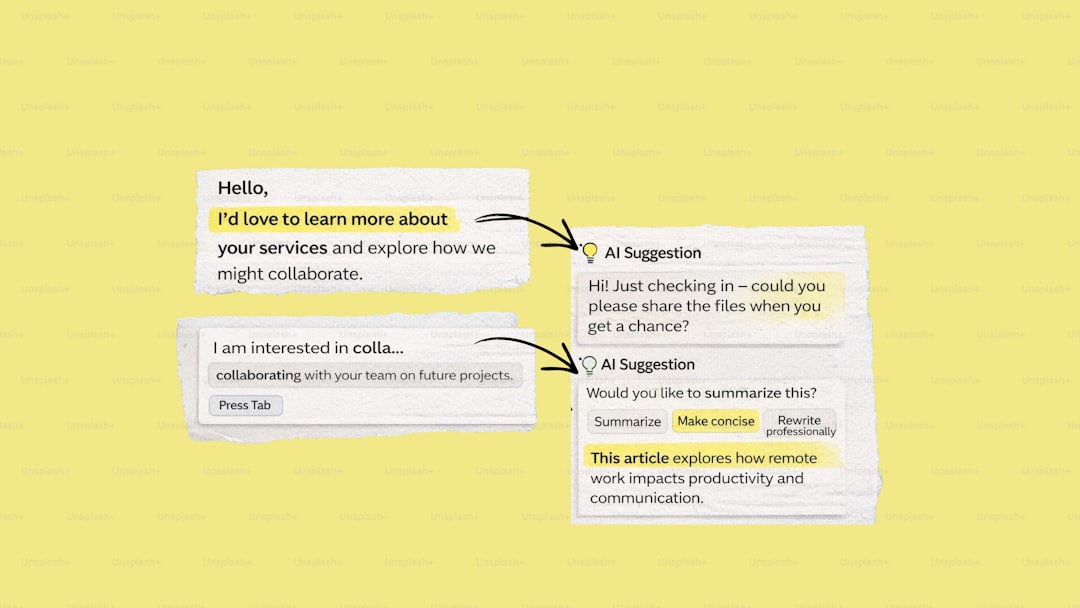
The algorithm, on the other hand, is not your friend and it has no taste. That is precisely its creative utility. The algorithm does not care about the story of how punk rock shattered progressive rock. It only cares about acoustic fingerprints: the density of the reverb, the beats per minute, the spectral shape of a synth tone. For a creator trying to leap genres, this cold reading is a gift. If you feed a machine a track built from distorted 808 drums and a minor key cello drone, it might spit back a piece of Norwegian black metal, a piece of Southern trap music, and a recording of a thunderstorm. A human curator would be constrained by sociology and history, unlikely to place those three things in the same container. The machine, blind to context, reveals the sonic link. It mines for ore you didn’t know you were looking for. For a graphic designer, a visual algorithm that links an Art Nouveau poster to a close-up of a butterfly wing based on line geometry does the same work. It extracts the structural principle from the cultural packaging, serving it up as raw, usable fuel.
These tools, however, work best in opposition to each other. Relying purely on playlists can turn exploration into a passive museum tour. You risk becoming a student of a genre rather than a thief of its energy. You’ll memorize the dates and the key players without ever touching the live wire. Meanwhile, drifting aimlessly on an algorithmic current is a fast track to a homogenized mind. The machine’s primary goal is not to blow your mind but to keep your thumb from lifting off the screen. Without resistance, it will nudge you toward the safest, most frictionless version of a sound, conflating genuine genre fusion with the mood music equivalent of beige.
The creative workaround is to treat the playlist as the map and the algorithm as the weather. The map gives you the lay of the land. Spend an hour with a playlist on the history of dub music, assembled by a sound engineer. Read the liner notes, if they exist. Understand that the space between the kick drum and the snare was a technical accident born of a warm climate and faulty equipment. You have now learned a principle of subtraction. Then, turn the weather loose. Create a station based on that one gritty track that made the hair on your arms stand up and let the algorithm blow you wherever it wants. It might take you to modern electronic acts who spent their teenage years reverse-engineering those same accidents. It might wander into territory you consider tacky or cheap. Stay. A cheap, plastic pop song might contain one vocal chop or bass texture that, when severed from its context and planted in your own work, becomes the thing everyone talks about.
Ultimately, both playlists and algorithms are just search parties for the missing piece in your project. The playlist gives you the vocabulary you lack, while the algorithm gives you the call-and-response. When you feel your own work becoming repetitive, the cure is rarely to try harder. The cure is to change your input. Let a stranger’s careful playlist teach you the grammar of an unfamiliar world. Then let a mindless algorithm smash that world into another to see what strange hybrid survives. That raw, improbable combination, not the solitary stroke of genius, is where your next idea is waiting.
Articles