
The Touch of Words: How Tactile Learning Strengthens Literacy and Language
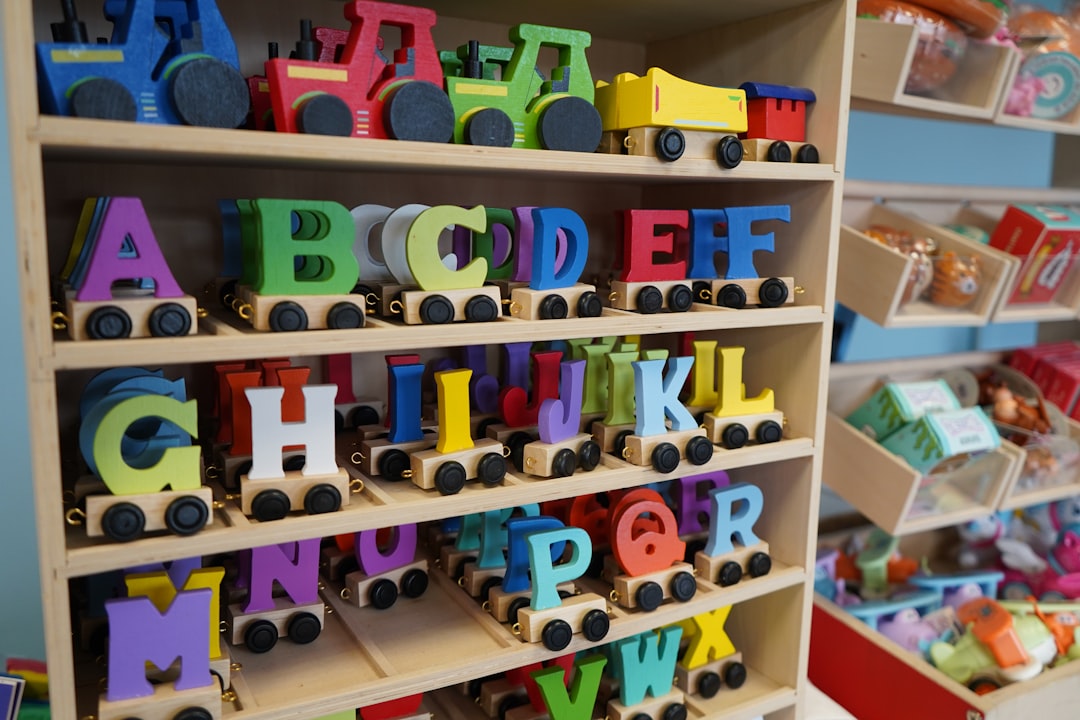
In an educational landscape often dominated by screens and abstract symbols, the profound power of touch is frequently overlooked. Yet, tactile learning—the process of acquiring knowledge through physical interaction and manipulation—offers a foundational and dynamic pathway to developing robust literacy and language skills. By engaging the sense of touch alongside sight and sound, this multisensory approach creates richer neural connections, deepens comprehension, and provides essential scaffolding for learners of all ages and abilities, ultimately making the abstract nature of language concrete and accessible.
The connection begins with the very building blocks of literacy. For young children, tracing sandpaper letters with their fingertips does more than teach shape; it builds muscle memory for writing and reinforces phonemic awareness. The tactile feedback creates a sensory impression of the letter “B” that is far more memorable than merely seeing it on a page. This kinesthetic engagement helps anchor the abstract symbol to a concrete experience, forging a stronger cognitive link between the letter’s form, its sound, and the motor action required to produce it. Similarly, manipulating physical blocks with letters or whole words allows learners to experiment with spelling, syllable segmentation, and sentence structure in a low-stakes, playful manner. This hands-on “word play” transforms passive reception into active construction, reinforcing grammatical rules and vocabulary through doing rather than just observing.
Beyond foundational skills, tactile methods significantly bolster reading comprehension and vocabulary acquisition. Concepts that are difficult to grasp through text alone can become clear through manipulation. For instance, a student struggling with the plot of a story can sequence physical cards depicting key events, literally feeling the narrative structure come together in their hands. When learning new vocabulary, especially for abstract or complex terms, associating a word with a relevant object or texture creates a powerful mnemonic. The word “corrugated” is understood instantly when felt on cardboard; the concept of “friction” is internalized by rubbing hands together. This sensory anchor provides a durable memory hook, moving vocabulary from short-term to long-term retention. For English Language Learners or students with language-based learning differences, these concrete referents are invaluable, offering a non-linguistic pathway to meaning that bypasses the confusion of pure verbal explanation.
Furthermore, tactile learning is inherently inclusive and supportive of diverse learning profiles. It provides an alternative route to mastery for students who may struggle with auditory processing or visual decoding, such as those with dyslexia. By incorporating texture, movement, and three-dimensional objects, instruction reaches learners who thrive on kinesthetic input. This approach also aligns beautifully with the development of fine motor skills, which are closely linked to the neural pathways used in writing. Activities like molding letters from clay, threading beads to form patterns, or using tweezers to sort small objects strengthen the hand muscles and hand-eye coordination necessary for fluent handwriting, thereby supporting the physical act of composing language.
Ultimately, tactile learning validates the understanding that literacy is not a purely intellectual exercise divorced from the body. Language is rooted in our physical experience of the world. By inviting touch into the learning process, we ground words in sensation, making them tangible, memorable, and real. This multisensory integration builds a more resilient and interconnected understanding of language, from the basic phoneme to the most complex literary theme. In embracing tactile strategies, educators do not merely offer a novelty; they tap into a fundamental human mode of learning, constructing a solid, sensory-rich foundation upon which the intricate architecture of literacy and language can confidently be built.
Articles